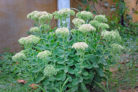
Stonecrops—you might know them as Sedum or even “Fat Hens”—are absolute staples in the garden, but did you know they make fantastic houseplants too? If you’re looking for a low-maintenance green roommate, many Sedum varieties are more than happy to live indoors.
Great Sedum Varieties for Your Home
With so many species out there, you’ve got plenty of options for your windowsill. Two of my absolute favorites for indoor growing are *Sedum rubrotinctum* and the classic Donkey’s Tail.
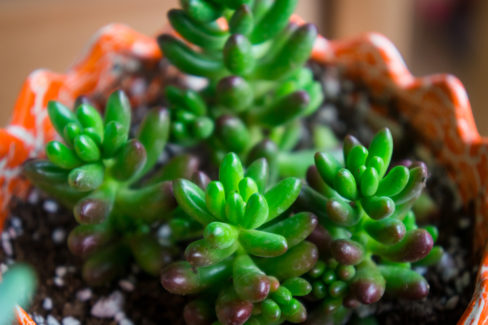
Sedum rubrotinctum (Jelly Bean Plant)
Hailing from Mexico, this little creeper is famous for its plump, bean-shaped leaves that turn a gorgeous reddish hue. In early summer, it’ll even treat you to bright yellow flowers. To get those vibrant colors, it needs at least three hours of direct sun a day. You can move it out to the balcony from late spring through fall, but make sure to bring it back inside once the temperatures dip into the 40s.
Donkey’s Tail (Burro’s Tail)
*Sedum morganianum* is a real showstopper. It stores tons of water in its thick, overlapping leaves, and its trailing stems can grow up to three feet long! This makes it the perfect candidate for a hanging basket. Around August or September, you might see tiny, star-shaped pink or purple flowers. This beauty craves sun year-round and prefers a sandy, loamy soil that isn’t too rich—standard cactus potting mix works like a charm.
More Sedums Perfect for Indoor Life
If you want to expand your collection, here are a few other varieties that thrive indoors:
- Sedum adolphi (Golden Sedum): Features yellow-green foliage and white flowers; grows to about 8 inches.
- Sedum allantoides: Has cool blue-gray leaves and greenish-white blooms; grows up to 12 inches.
- Sedum bellum: A compact choice with green-white leaves and white flowers; stays low (6 inches) but spreads wide.
- Sedum pachyphyllum: Known for its light yellow flowers and gray-green leaves; grows to about 12 inches.
- Sedum sieboldii (October Daphne): A trailing variety with blue-green leaves and pink flowers; reaches about 4 inches in height.
Location and Care Tips
Most Sedums love a sunny spot, though they usually appreciate a little break from the scorching midday sun. For soil, stick with a well-draining succulent mix that isn’t too nutrient-heavy. Remember: these guys hate “wet feet,” so go easy on the watering! During the growing and blooming season, a little liquid cactus fertilizer every two months is plenty.
When winter rolls around, your Sedums will want a three-month nap. Move them to a bright, cool spot (ideally between 40°F and 50°F). During this dormant phase, cut back on watering significantly and skip the fertilizer altogether.