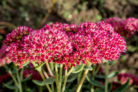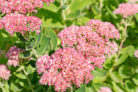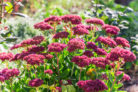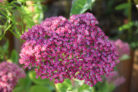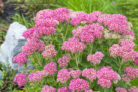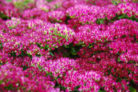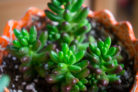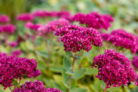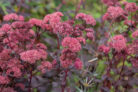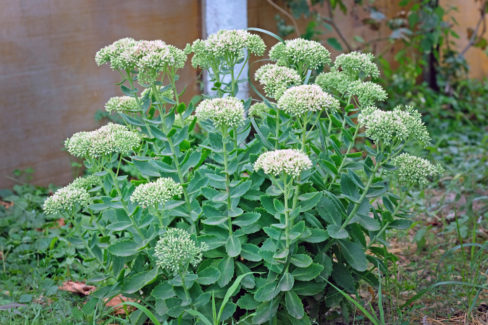
Stonecrops, or Sedums, are those hardy succulents that seem to thrive just about anywhere in the garden. They show off bold, plate-like blooms in a variety of colors that last well into the fall. Even when winter hits, their dried, frost-covered stems add some really cool structural interest to a sleepy garden. But here’s a fun fact you might not know: Stonecrop is actually edible in small amounts, whether raw or cooked!
Is Stonecrop Safe to Eat?
Back in the day, Stonecrop and its close relative, Wallpepper, were staples in the medicine cabinet and the spice rack. Wallpepper leaves, in particular, were famous for adding a spicy kick to salads. Nowadays, we know that while they are edible, they are technically mildly toxic and should only be enjoyed in moderation. Stonecrop contains several active compounds, including:
- Alkaloids
- Tannins
- Flavonoids
- Glycosides
- Various organic acids
Even though the concentration of these substances is pretty low, if you have a sensitive stomach or are pregnant, it’s best to skip the Sedum snack. Eating too many of those thick, juicy leaves can lead to a stomach ache, nausea, or a headache.
The Edible Parts of the Plant
For the most part, people stick to eating the fleshy leaves and the tender young shoots. You can toss them fresh into a salad, pickle them in oil, or cook them up like a vegetable. Some varieties even grow small underground tubers that, if they get big enough, can be harvested and boiled. Just a heads-up: if you’re cooking Stonecrop, keep it brief! They soften up very quickly and can get mushy if overdone. Raw leaves are great for adding a little crunch to salads, soups, or savory herb spreads. If you want to add a pop of color to your plate, the “Angelina” variety has beautiful yellow foliage that looks amazing in a salad bowl.
Edible Sedum Varieties
While most Sedums and Wallpeppers are okay in small doses, a few specific types are known for being the most palatable:
- Goldmoss Stonecrop (Scharfer Mauerpfeffer)
- Tasteless Stonecrop (Milder Mauerpfeffer)
- Caucasian Stonecrop
- Red Stonecrop
- Showy Stonecrop (Große Fetthenne)
Using Stonecrop as a Natural Remedy
Long before it was a garden favorite, this attractive succulent was used as a folk remedy to help stop bleeding and speed up wound healing. The pressed juice was even used as a laxative or to treat parasites. Because the juice can be a bit of a skin irritant, it was traditionally applied topically to treat warts, calluses, and corns. If you’re feeling adventurous and want to try a DIY remedy for a corn, just slice a leaf open and press the juicy side directly onto the spot!