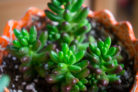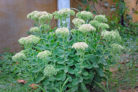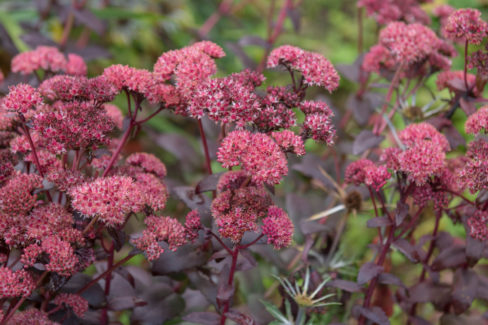
Stonecrops and Sedums are the ultimate low-maintenance superstars of the garden. These hardy perennials are incredibly easygoing, thriving in almost any sunny spot as long as they don’t get “wet feet” from standing water. When it comes to pruning, they’re just as straightforward.
The Annual Trim
In the spring, right before the new growth starts to peek through, you’ll want to cut back the dried-up stems from last year. During the rest of the season, you really only need to snip off any stems that look a bit messy. Here’s how to get it done:
- Get your cutting tools ready.
- Clean your knife or garden shears with rubbing alcohol and a clean cloth to keep things sanitary.
- If you’re growing Sedum as a houseplant (yes, they make great indoor plants too!), have a paper towel handy to dab away any sap after you cut.
- Wear gloves while you work—the sap can be a bit irritating to the skin.
- Cut old stems off right at the base.
- Go ahead and prune back any leggy, weak, or thin stems down to just above ground level to encourage bushier growth.
Cutting for Arrangements
When they are in full bloom, Sedum flower heads make gorgeous additions to fall floral arrangements or look stunning all on their own in a vase. They are also fantastic for drying! Just hang the stems upside down in a breezy spot for a few weeks. Pro tip: keep them out of direct sunlight while drying so those beautiful colors don’t fade.
Taking Cuttings for Propagation
If you want to propagate your Sedum, you can either take stem cuttings or remove offsets (little “pups”) from the mother plant. For cuttings, snip them in the spring and let the ends dry out for a few days to callouse over. Then, plant the young shoots in succulent soil. Keep the soil moist for a few weeks while the new roots establish themselves. Interestingly, freshly cut stems will also sprout roots very quickly in a vase of water. This means your autumn bouquet can actually turn into brand-new plants that you can move straight from the vase into the garden!
Some varieties develop strong side shoots on the main plant. Once these reach about 2 inches long, you can snip them off as offsets. Plant them in succulent mix just like the cuttings and keep them well-watered until they’ve rooted. After that, your new babies are ready to head out into the garden!