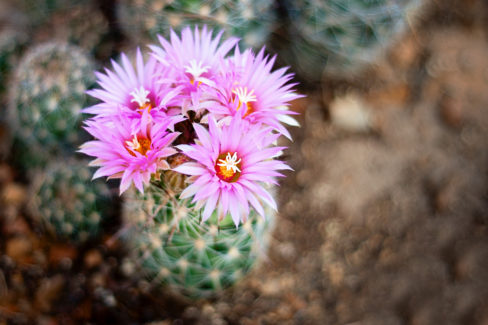
We all love cacti for being the ultimate low-maintenance roommates with that cool, prickly vibe. But these desert dwellers have a hidden talent: they can put on a floral show that’ll absolutely blow you away. If you’ve been waiting for your spiny friends to pop some color, you’re in the right place. Let’s dive into which cacti actually bloom and how you can coax them into showing off their best blossoms.
First things first: Can every cactus actually bloom?
The short answer is yes! Technically, every cactus species is capable of flowering. However, they all have their own unique “personality” when it comes to their blooming cycle. Some varieties are total divas and only open their buds for a few short hours, while others are night owls that only reveal their colorful petals after the sun goes down.
The “secret sauce” for getting a cactus to bloom is making sure it goes through a proper winter dormancy period. Age also plays a huge role. Some species are early bloomers and will surprise you with flowers by their second year, while others are more of a long-term project, taking ten to fifteen years before they’re ready for their big debut.
Prickly beauties: Spiny cacti that bloom
- Echinopsis cinnabarina: A South American native from the Andes that sports bell- or funnel-shaped flowers in stunning shades of crimson and vermillion.
- Parodia microsperma: A tiny Argentine cactus that punches above its weight with vibrant yellow, orange, or red blooms.
- Cleistocactus strausii: Often called the “Silver Torch,” this one features upright columns and bright red, tubular flowers.
- Cereus: A classic columnar cactus known for its dramatic white or reddish-white flowers that bloom at night.
- Ferocactus acanthodes: Also known as the “Compass Cactus,” it produces beautiful greenish-yellow or bi-color yellow and red flowers.
Leafy favorites: Popular blooming leaf cacti
- Opuntia ficus-indica: The famous Prickly Pear, which shows off large, showy flowers in red or yellow.
- Rhipsalis: The Mistletoe Cactus from Brazil, covered in tiny, delicate white star-shaped blossoms.
- Hatiora: Better known as the Easter Cactus, featuring bell-shaped flowers in white, pink, orange, or red.
- Disocactus ackermannii: An old-school favorite with brilliant scarlet flowers and a contrasting green center.
- Schlumbergera: The classic Christmas Cactus that brightens up the holidays with yellow, red, pink, orange, or white blooms.
How to encourage your cactus to bloom
If your cactus is old enough to flower but is giving you the cold shoulder, it’s likely missing its winter nap. Most desert cacti need a cool, bright spot during the winter months. During this time, you should stop fertilizing and cut back significantly on watering.
Some species are even pickier and need a consistent “chill” (temperatures between 45°F and 60°F) to trigger their dormant phase. For these cold-loving varieties, you should stop watering entirely starting in October before moving them to their winter home. Come March, you can slowly wake them up by misting them with soft, lime-free water before returning to a regular schedule.