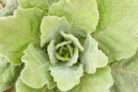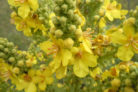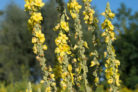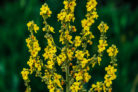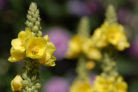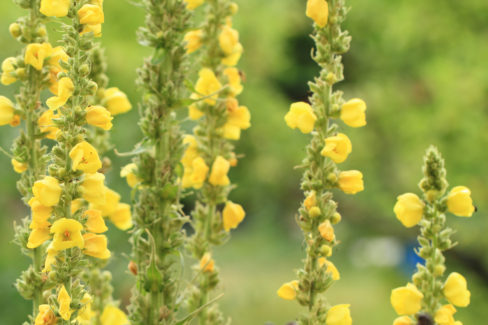
Mullein, also known as the “Wooly Flower,” is famous for two main things: its incredible ability to soothe a nasty cough and those stunning, bright yellow flower spikes. If you’re looking to add some vertical drama to your flower beds, here’s everything you need to know to get these beauties thriving in your garden.
When Does Mullein Bloom?
Mullein really lives up to its regal German name, *Königskerze* (King’s Candle). With its soft, velvety leaves and a growth habit that’s straight as an arrow, it’s a true standout. The tall stalks are packed with small yellow blossoms that open gradually from the bottom up. Depending on how much your garden mimics its favorite natural habitat, these plants can reach a towering six feet tall! Because the flowers don’t all pop at once, you get to enjoy a long, beautiful blooming season.
Typically, you’ll see them in full glory from July through August, though it’s not uncommon to see a few lingering blooms well into September. The best part? Despite looking so lush, Mullein is incredibly low-maintenance. It’s a drought-tolerant champ, so even during a scorching, dry summer, it usually finds enough moisture deep in the soil to take care of itself. That’s one less plant you have to worry about with the watering can!
Tips for the Best Blooms
To get the most out of your Mullein, try to pick a sunny spot in your garden. The one thing this plant absolutely hates is “wet feet”—so avoid areas where water tends to pool. If your soil is a bit heavy, you can always add a drainage layer to help keep things dry. As for fertilizer? You can skip it! Mullein actually prefers soil that isn’t too rich.
Quick Checklist for a Happy Plant:
- Soil: Moist to dry (well-draining is key!)
- Texture: Sandy or gritty substrate
- Light: Plenty of direct sunlight
You can also give your plant a little boost by pruning it back at the right time. Just wait until the flowering season is completely over before you grab the shears. Also, keep in mind that Mullein actually needs a cold winter chill to trigger those gorgeous blooms the following year. So, leave it outside to brave the frost—it’s tougher than it looks!