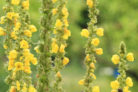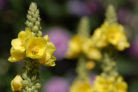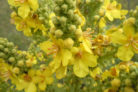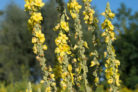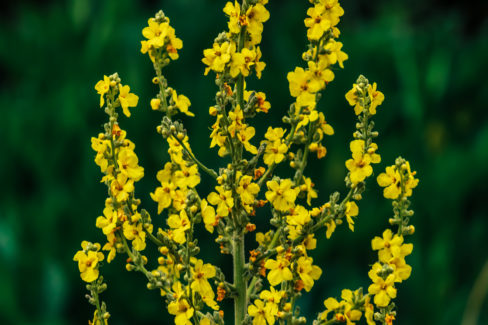
Mullein, also known as the “velvet plant,” is one of those low-maintenance gems that doesn’t ask for much in terms of soil or constant pampering. However, a little bit of TLC goes a long way! Knowing exactly when and how to prune can really boost its natural growth. Here’s my guide on how to get it just right.
Pruning Mullein in Your Garden
If you’ve just planted a perennial variety of mullein, my best advice for the first year is: leave it alone! You really shouldn’t prune it at all during its first season unless you notice pests or signs of disease. Otherwise, give those young plants plenty of space and time to establish themselves and reach their full potential.
Once your plants are in their second year, you can start pruning them back after the flowers have faded. A cool trick? Sometimes, cutting them back early enough encourages the plant to produce a second flush of blooms. That means you get to enjoy those stunning yellow spikes twice in one season! But that’s not the only reason to keep your shears handy.
Here is how to prune your mullein:
- Put on a pair of gardening gloves.
- Grab a sharp pair of pruning shears.
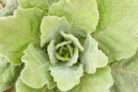
- Cut the plant back to the basal rosette (the circle of leaves at the base), just above the ground.
Why Pruning Matters
Generally, mullein is a pro at self-seeding. By timing your cuts, you can actually control this process. Pruning before the seeds drop allows you to limit where the plant spreads or, alternatively, lets you collect the seeds yourself. This makes it super easy to propagate the plant and move it to a different spot in your yard.
One quick tip: If you’re pruning because the plant is diseased, do not toss those clippings into your compost pile. Pathogens like fungi can survive the composting process and spread throughout your garden when you fertilize later. Instead, bag up the diseased material and put it in the trash, or burn it if your local ordinances allow. Your other plants will thank you!