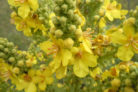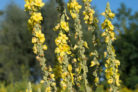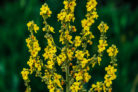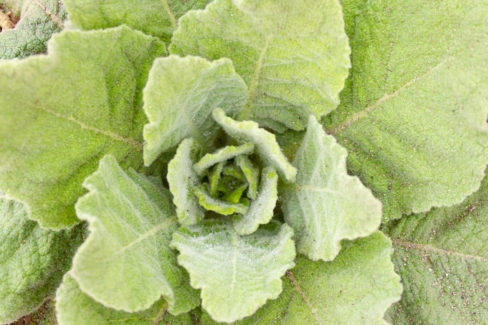
When most people think of Mullein, those tall, striking spikes of yellow flowers are usually the first thing that comes to mind. But don’t overlook the leaves! Also known as “Velvet Plant” or “Woolly Flower,” this plant has some seriously cool features hidden in its foliage. Let’s dive into what makes these leaves so special and how you can use them.
Appearance and Key Features
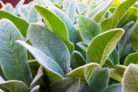
When Mullein finds a spot in your garden it loves, it produces broad green leaves covered in tiny, fine hairs. These hairs give the leaves a distinct felt-like, fuzzy texture. The leaves grow in a wide rosette around the base of the stem, getting smaller and more sparse as they climb up toward the flowering spike. This unique look makes Mullein super easy to identify, even when it’s not in bloom.
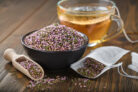
While those big green leaves are great for filling out garden spaces, they’ve earned a reputation for something much more practical: their medicinal properties. If you harvest and dry the flowers and leaves correctly, you can brew them into a soothing herbal tea.
How to Harvest Mullein Leaves
- Pick a dry, sunny summer day for harvesting.
- Gently pluck the flower petals.
- Cut the leaf rosettes located close to the ground.
- Spread the leaves out in a cool, airy spot to dry.
If you’re in a hurry, you can also dry the leaves in the oven. Just keep the temperature low—between 85°F and 100°F (30-40°C). Anything hotter will destroy the beneficial compounds that give the plant its healing power. Once they’re fully dried, you can store them for a long time in an airtight container.
Ways to Use Mullein
Mullein leaves are packed with compounds that have been used medicinally for centuries. This isn’t just “new age” stuff, either—Hildegard von Bingen, the famous medieval herbalist, was a huge fan of the plant. She even recommended it for lifting a heavy heart or “melancholy.” Today, Mullein is still a go-to gentle remedy for respiratory issues like asthma and colds, as well as soothing digestive troubles.