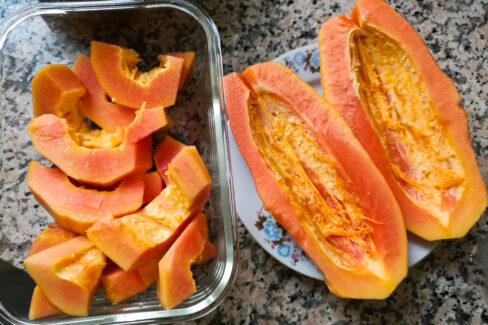
Just like us, our four-legged friends benefit from a healthy, varied diet. And let’s be honest—most dogs are more than happy to help themselves to a snack of whatever exotic fruit you happen to be eating! But before you share your tropical treat, there are a few things you should know. If you’re wondering whether you can share a slice of papaya with your pup, here’s the scoop.
Stick to Ripe Fruit
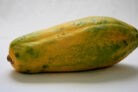
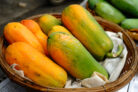
When it comes to feeding papaya to your dog, timing is everything. You want to make sure the fruit is perfectly ripe. While humans sometimes use unripe green papaya in savory dishes, it’s not great for a dog’s tummy. If you’ve picked up a fruit that’s still a bit hard, it’s best to let the papaya ripen up on the counter for a few days first.
Just a heads-up: don’t wait too long! While papayas do ripen after being picked, they have a very short shelf life and can go from “perfect” to “spoiled” pretty quickly.
Skip the Seeds and Skin
While the flesh of the fruit is fine, the seeds and skin are a big no-no. Those little black seeds can cause blockages, especially in smaller breeds, which could lead to an unplanned (and expensive) trip to the vet. The skin is also tough to digest and can cause diarrhea in sensitive dogs—plus, it just doesn’t taste very good!
Before you hand over a snack, make sure to scoop out the seeds and peel the fruit entirely. Even though a ripe papaya is great for digestion, it should still only be served as an occasional treat, not a full meal.
A Natural Boost for Digestion
Papaya shouldn’t be a staple of your dog’s daily kibble, but a few small pieces every now and then can actually act like a “gentle medicine.” It’s particularly helpful for pups dealing with digestive issues or even certain intestinal parasites.
If your dog is struggling with a sensitive stomach or a bout of diarrhea, a few bites of papaya can help regulate their digestive tract. You don’t even have to use fresh fruit; dried papaya works just as well as a healthy snack.
The fruit is especially beneficial for dogs dealing with parasites that thrive on proteins. However, a quick word of advice: if your dog is having serious GI issues, always check in with your vet before using papaya as a remedy. Every dog is different, and some might be more sensitive to the fruit than others!