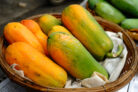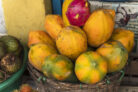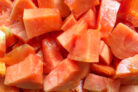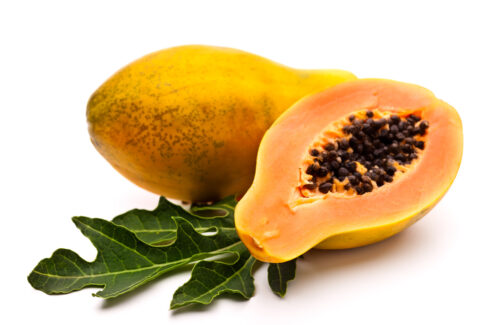
Papayas are such a treat! They’re a staple in the exotic fruit aisle year-round, but did you know you can actually grow your own papaya tree right from the seeds? Whether you’re harvesting them from your backyard or picking them up at the store, the key to a great experience is knowing when they’re perfectly ripe.
How to Spot a Ripe Papaya
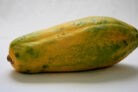
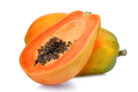
The easiest way to tell if a papaya is ready to eat is by looking at the skin. As it ripens, the color shifts from green to yellow. Depending on the specific variety, the skin might even turn completely golden yellow. Fun fact: even though papayas belong to the “melon tree” family (Caricaceae), they aren’t actually related to melons! While we usually wait for them to get sweet, you can also cook unripe green papayas in savory dishes.
This is where the line gets a bit blurry on whether a papaya is a fruit or a vegetable. It really all comes down to how ripe it is and how you plan to use it in the kitchen.
Don’t Count on Much Ripening After Purchase
Papayas are grown in tropical and subtropical regions worldwide, which means the ones in your local grocery store have likely traveled a long way. Because they have relatively thin skin, they’re pretty delicate when it comes to harvesting and shipping. When you’re shopping, don’t just look at the color—give the fruit a very gentle squeeze. It should give slightly under pressure.
If you’re craving that sweet, tropical fruit flavor, you want to buy it at peak ripeness because papayas don’t really ripen much once they’ve been picked. If you do end up with a firm, unripe fruit, don’t toss it! You can still use it in various veggie-style dishes. In fact, in many tropical countries, they’re intentionally harvested green specifically for cooking.
When to Say Goodbye to Overripe Fruit
On the flip side, if a papaya is overripe, it’s past its prime. You’ll know it’s gone too far if the skin feels very mushy or collapses easily when touched. Keep an eye out for dark spots, too—those are usually a sign that the fruit is starting to spoil.
I’d recommend skipping overripe papayas. Once they start to turn, the insides can begin to ferment, leading to a pretty unpleasant taste and potentially an upset stomach. Always give your fruit a quick check if it’s been sitting on your counter for a few days.
The Best Way to Store Papaya
Unless they’re kept chilled, papayas usually only stay fresh for a few days. By the time they hit the supermarket shelves, they’ve warmed up enough that their shelf life is already ticking down. This means you’ll want to enjoy your store-bought fruit sooner rather than later.
Since papayas bruise so easily, try to store them on a soft surface. A pro tip for home storage is to rest them on a bed of crumpled newspaper. Keep them in a cool spot, but not somewhere freezing cold. If you have freshly harvested fruit, you can keep it in the fridge, but make sure to let it sit out at room temperature for at least half a day before you dig in to get the best flavor!