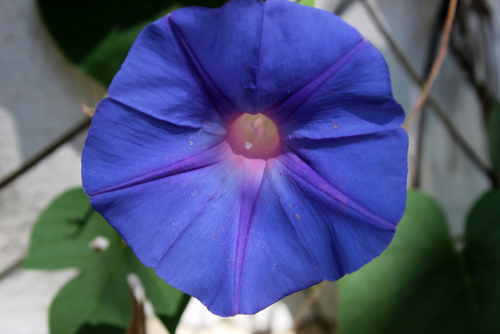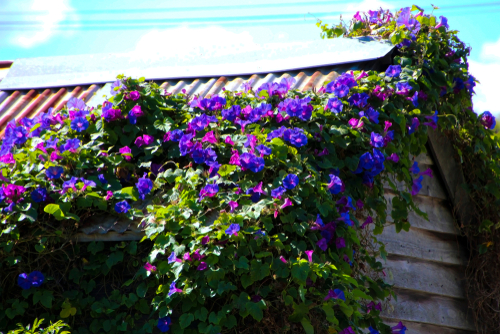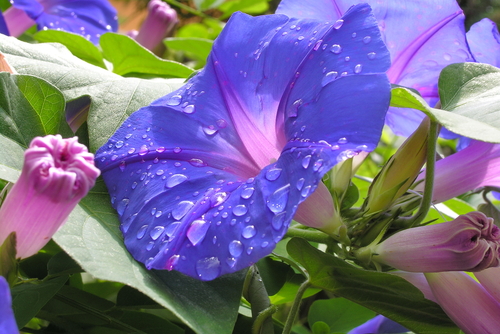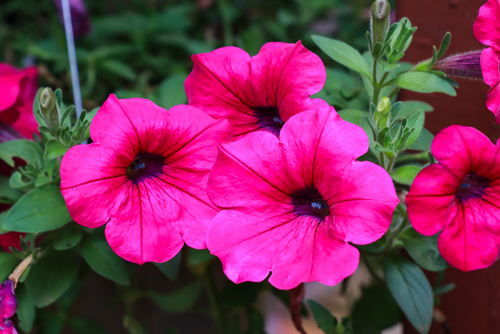
With over 600 different species out there, morning glories are a diverse bunch! But despite their differences, almost all of them share one common trait: they are annuals. If you’re hoping to save your morning glory over the winter, I’ll be honest with you—it’s going to take a bit of work.
No Luck Outdoors
Even though you might stumble upon some varieties marketed as somewhat hardy, the reality is that morning glories just don’t stand a chance in a typical backyard winter. Unlike many other climbers, their vines never actually turn woody. Because those stems stay soft and tender, they’ll wilt and die off the moment the first real frost hits.
Bringing Them Indoors
If you’re really attached to a specific plant, you can try giving it a radical pruning in the fall and transplanting it into a pot to bring inside. Sometimes this works, but timing is everything. If you wait until the air gets chilly, the plant will likely go into shock when it hits the warm, dry air of your home. Given that the success rate isn’t great, you have to ask yourself if the hassle is really worth it.
A Super-Fast Climber
Here’s the thing: morning glories are famous for being incredibly fast growers. In fact, they grow so quickly that overwintering them usually isn’t necessary. Instead of struggling to keep an old plant alive, most gardeners find it much easier to just start fresh with new seeds every spring.
Starting Seeds Indoors
Since young morning glories are very sensitive to frost, you don’t want to plant them outside too early. If you want a head start on covering your trellis or wall, try starting your seeds in pots indoors during the early spring. To get them toughened up, set the pots outside during the day and bring them in at night. Once the danger of frost has passed (usually after mid-May), they’re ready to move into the garden for good. Until then, these spots are perfect for your seedlings:
- Sunrooms or conservatories
- Greenhouses
- Windowsills in cooler rooms