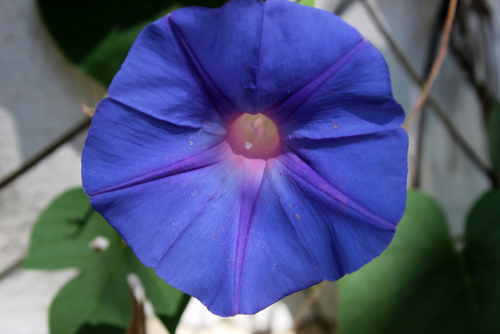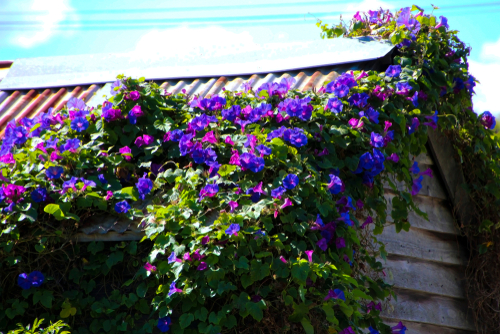
If you’re looking to cover a bare wall or hide an ugly downspout as fast as possible, let me introduce you to one of my favorites: the Morning Glory. This annual climber is an absolute speed demon in the garden, easily reaching heights of several feet in a single season. The best part? It’s incredibly low-maintenance, making it perfect for busy gardeners.
Finding the Perfect Spot
Morning Glories are famous for those stunning, trumpet-shaped blooms, but they can be a little picky about showing them off. To get a real explosion of color, you need a warm summer and, more importantly, the right location. Here’s what your Morning Glory is looking for:
- Full sun and plenty of warmth
- A spot sheltered from harsh winds
- Nutrient-rich, well-draining soil
Pro tip: These plants actually prefer soil that is slightly alkaline (limy), so keep that in mind when prepping your garden bed.
Watering and Feeding
While Morning Glories hate having “wet feet” (standing water), they are thirsty growers. To keep that rapid growth spurt going, you’ll want to keep the soil consistently moist. During those scorching summer weeks, make it a habit to check the soil daily.
From May through October, your plant will need a little extra energy. I recommend watering with a liquid fertilizer once a week. If you prefer a more organic approach, you can skip the liquid stuff and top-dress with fresh compost every two weeks—just make sure to water it in well!
Pruning and End-of-Season Care
If you want your Morning Glory to keep pumping out flowers all summer long, stay on top of deadheading. Pinching off those wilted blooms encourages the plant to put its energy into new buds rather than seeds.
Since Morning Glories aren’t hardy and won’t survive the winter frost, you’ll need to clear them out once the cold hits. Cut the vines back right down to the ground, but leave the roots in the soil. They’ll break down over the winter, providing great organic matter for the tiny organisms living in your garden beds!