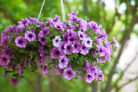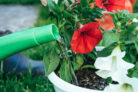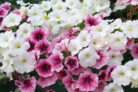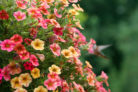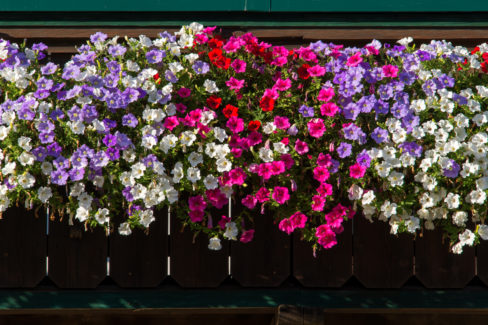
Petunias are more popular than ever, and honestly, it’s easy to see why! With so many stunning colors and patterns to choose from, they’re the perfect way to dress up your garden or home exterior. While they look great anywhere, the balcony is actually the “sweet spot” for these lush bloomers. Here’s everything you need to know to keep your petunias happy and thriving all summer long.
Petunias are Total Sun-Worshippers
Originally from South America, petunias crave a warm, full-sun location. Think of their vibrant blooms as a “thank you” for all those rays! Since balconies usually sit high enough to avoid shade from trees or neighboring buildings, they’re the ideal spot for these beauties. Just try to find a nook that offers some protection from heavy wind and rain. If they’re sheltered from the elements, they’ll grow much more vigorously and stay disease-free.
If you’re looking to add some serious curb appeal, trailing varieties are perfect for spilling over balcony railings. With so many shades available, you can mix and match them to perfectly complement your outdoor decor.
The Balcony: A Natural Shield Against Pests
One of the best things about keeping petunias on a balcony? It keeps them away from hungry garden pests like slugs! You’ll also find that aphids are much less of a problem up high. If you do spot a few bugs, here are some quick tricks to handle them:
- Encourage natural helpers like ladybugs to hang out in your garden.
- Do a quick “check-up” on your plants regularly so you can catch any issues early.
- If a specific stem is covered in bugs, don’t be afraid to snip it off.
- You can try spraying them off with a firm stream of water—just be gentle so you don’t bruise the delicate petals!
Keeping Your Annuals Gorgeous
Petunias are very sensitive to frost, which is why we typically grow them as annuals here. Since seeds and starter plants are so affordable in the spring, most gardeners find it easiest to simply compost them once the first frost hits in the fall.
During the peak summer months, maintenance is a breeze: just keep up with regular watering, add a little fertilizer now and then, and “deadhead” (pinch off) any wilted flowers. This encourages the plant to keep pumping out fresh new blooms all season.
Tips for Overwintering
While petunias aren’t winter-hardy outdoors, you can try to save your favorites if you have a cozy spot for them inside. To overwinter them, give the plants a good trim in the fall and move them to a sunny windowsill indoors where they can stay at room temperature until spring returns.