Ornamental Plants – Flowers – Petunias
How to Plant Petunias: Your Go-To Guide and Pro Tips
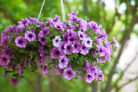
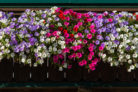
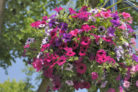
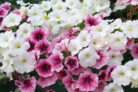
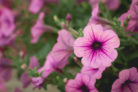
From deep velvety purples to vibrant cherry reds, petunias are the absolute stars of the summer garden and balcony. Since these beauties originally hail from South America, they aren’t fans of the cold and are usually grown as annuals here in the States. This leaves many gardeners wondering: should I plant them in the ground or keep them in containers? Either way, they’re going to look stunning. Here’s everything you need to know to get your petunias off to a great start.
The Perfect Spot for Your Petunias
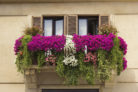
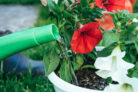
Whether you’re planting in a flower bed or a window box, petunias crave light. While they’ll tolerate partial shade, they really need full sun to produce those massive carpets of blooms we all love. Just keep in mind that more sun means a bit more maintenance—heat makes the soil dry out fast, so you’ll likely need to water them daily.
The golden rule? No “wet feet!” Petunias hate standing water. If you’re planting in pots, make sure they have plenty of drainage holes. If they’re going in the ground, ensure the soil is nice and loose.
Pro Tip: You can actually find specialized petunia potting mix at most garden centers. It’s usually pre-loaded with the right nutrients to keep them happy. If you use this, hold off on extra fertilizer for a while so you don’t overfeed them.
Great Garden Neighbors
Petunias play well with others! For a gorgeous, lush look, try pairing them with these summer favorites:
- Verbenas
- Marigolds
- Fuchsias
- Bacopa (Snowflake flower)
- Geraniums
- Lobelia
- Coneflowers (Echinacea)
They also look (and grow) great alongside herbs and veggies:
- Thyme
- Lavender
- Rosemary
- Tomatoes
- Lemon Balm
- Basil
- Calendula
When is the Best Time to Plant?
Petunias are total “frost-phobes.” Don’t even think about putting them outside until the danger of frost has completely passed (usually after Mother’s Day in many regions). If you want a head start, you can start seeds indoors on a sunny windowsill as early as January.
Step-by-Step Planting Guide
- Pick a sunny spot and dig a hole slightly larger than the root ball.
- While you’re digging, let the plant sit in a bucket of water to hydrate the roots.
- Add a layer of gravel or coarse sand at the bottom of the hole for drainage.
- Mix your garden soil with some compost or sand to lighten it up.
- Place the petunia in the hole and fill in the gaps with your soil mix.
In the Ground vs. In Containers: Which is Better?
Petunias are fantastic “filler” plants for garden beds because they stay relatively low and add a massive pop of color between taller perennials. However, since they won’t survive a freeze, they are a one-season deal in the ground.
If you grow them in containers, you *can* technically try to overwinter them indoors. Just be aware that container gardening is a bit more work—pots dry out faster and are more prone to waterlogging if you aren’t careful. Plus, moving them back and forth and repotting them can be stressful for the plant (and a workout for you!).
A Quick Safety Note
Like other members of the nightshade family, petunias contain solanine, which is toxic. Keep an eye on curious pets or toddlers to make sure they aren’t snacking on the flowers. For adults, the risk is very low, though some people might get a little itchy or develop a mild rash if they have sensitive skin. If you have asthma, don’t worry—petunias aren’t known to trigger respiratory issues.