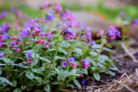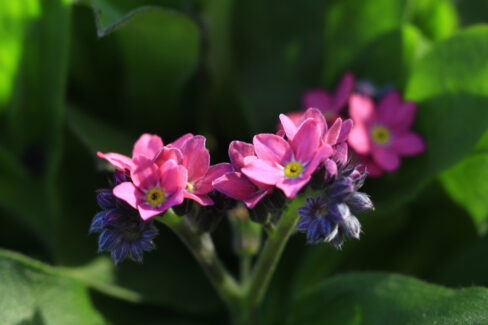
Lungwort is a hardy native plant, which means it’s generally a breeze to grow in your own backyard—as long as you give it the right starting conditions. Here’s how to get it settled in perfectly.
Finding the Perfect Spot
First things first: you need to pick the right location. When it comes to light, lungwort is a bit of a shade-seeker. It really doesn’t handle direct, midday sun very well; the leaves will start to wilt and look sad pretty quickly if they get baked. Your best bet is to plant it under the canopy of trees or in a spot that stays in full to partial shade. Think of it as a forest-floor plant that loves that dappled light.
The Right Soil
Since lungwort is naturally at home in the woods, it craves soil that mimics a forest floor. It thrives in earth that is rich in organic matter (humus). Ideally, your soil should be:
- Packed with nutrients
- Well-draining
- Consistently moist (but not soggy!)
To give your lungwort the energy boost it needs to take off, I recommend mixing a good amount of mature compost into the soil before you start planting.
How to Get Started
The easiest way to get lungwort going is by sowing seeds. You’ll want to do this in March or April. Why so early? Well, lungwort is a “cold germinator,” meaning the seeds actually need a bit of a chill to wake up. If you wait too long into the warm months, they might not sprout at all.
Also, keep in mind that these seeds need light to germinate. When you sow them, don’t bury them deep—just barely cover them with about a quarter-inch (0.5 cm) of soil. As long as you keep the ground moist, you should see those little sprouts popping up in about two to four weeks.
Planting in Groups
Lungwort looks its absolute best when it’s allowed to grow in clusters rather than as a single, lonely plant or a messy heap. For that classic woodland look, sow your seeds so they form small groups. Just make sure to leave about 8 inches (20 cm) of breathing room between each group so they have space to spread out and shine.