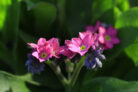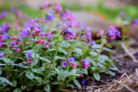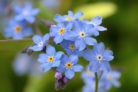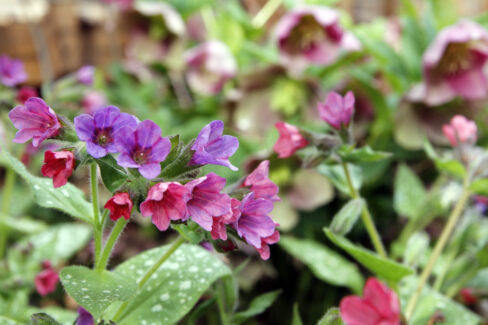
Lungwort isn’t just one of the first signs of spring; it’s also a total marathon bloomer. But the coolest thing about it? It actually changes color as it grows!
A Native Plant with a Dozen Nicknames
Because Lungwort flowers start out a pretty red or pink and eventually shift through various shades until they land on a vibrant blue, people have come up with some pretty creative names for it over the years. Depending on who you talk to, you might hear it called:
- “Hänsel and Gretel”
- “Little Brother and Sister”
- Spotted Dog
- Soldiers and Sailors
- Joseph and Mary
- Bethlehem Sage
The Bloom Starts as Early as March
If you’re looking to add some early-season color to your garden, Lungwort is a fantastic choice. It often starts showing off its flowers as early as March. During those chilly early spring days, it’s a vital food source for bees.
Interestingly, bees usually only visit the plant during its early phase when the blossoms are still pink. Once the flowers start turning violet, the bees tend to move on from that spot in the garden. This isn’t just a color preference—as the flower ages, its pH level changes and it stops producing nectar. By the time the blooms turn fully blue in May, the plant has finished its work and the seeds are fully ripe.
Harvesting Lungwort
The blooming period is actually the perfect time to harvest Lungwort if you’re interested in its herbal properties. This plant is packed with good stuff like silica, saponins, and plenty of minerals. It’s also high in tannins, which gives it great anti-inflammatory properties.
It’s particularly well-known for helping soothe a stubborn cough. This isn’t new info, either—healers have known about this since the Middle Ages. Even Hildegard von Bingen, the famous medieval herbalist, wrote about how beneficial this plant is for lung-related ailments.