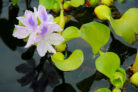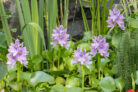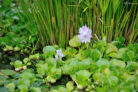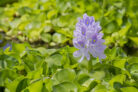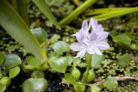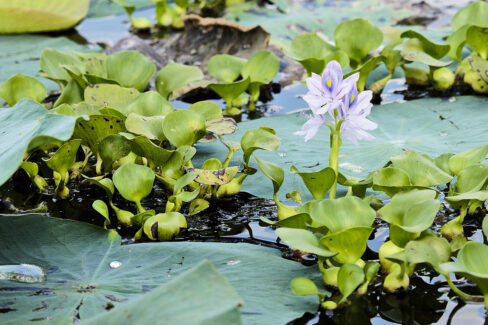
Water hyacinths (botanically known as *Eichhornia*) are stunning tropical beauties. Originally from South America, they’ve made themselves right at home in tropical regions all over the world. In fact, they’re so good at growing that they can sometimes crowd out local plants, making them a bit controversial in the wild. But in a controlled garden setting? They are absolute showstoppers.
Where Should You “Plant” Water Hyacinths?
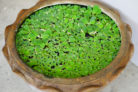
Here’s the cool thing: you don’t actually “plant” a water hyacinth in the traditional sense. These are floating plants! Instead of rooting into soil or aquarium substrate, they drift freely on the water’s surface. To really thrive, these plants crave lots of light, warmth, and high humidity. You can enjoy them in your backyard pond or inside in an aquarium.
Water Hyacinths in the Aquarium
Believe it or not, water hyacinths often feel more at home in an aquarium than outdoors. Why? Because you have total control over their environment. To keep them happy, make sure they get at least 12 hours of light a day. If your room is a bit dim, a specialized aquarium grow light works wonders. Just keep the water temperature at a cozy 65°F (18°C) or higher.
Water Hyacinths in the Garden Pond
If you’re planning to move these to your pond, keep in mind that they are definitely not frost-hardy. You’ll want to wait until the “Ice Saints” have passed in May and the weather is consistently warm before letting them float outside. If we get a classic warm, humid summer, there’s a great chance you’ll see them bloom with gorgeous flowers.
Once temperatures dip below 50°F (10°C), the water hyacinth will stop growing and start to rot. Depending on your local weather, you should pull them out of the pond by October at the latest to prevent decaying plant matter from messing with your water quality. While overwintering them indoors can be a bit tricky, it’s totally possible if you provide the right winter quarters!
Quick Highlights:
- Floating plant perfect for still water or aquariums.
- Ideal conditions: Sunny, warm, high humidity, and plenty of nutrients.
- Not winter-hardy.
- Overwintering pond plants can be challenging.
- Only move outdoors once temperatures stay consistently above 60°F (15°C).
- Growing from seed is difficult and rarely successful.
Pro Tip: If you want your water hyacinth to stay in one specific spot rather than drifting around, you can “anchor” it by loosely tethering the roots to a stone on the bottom.