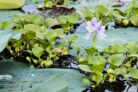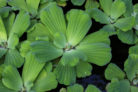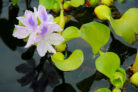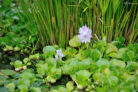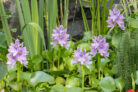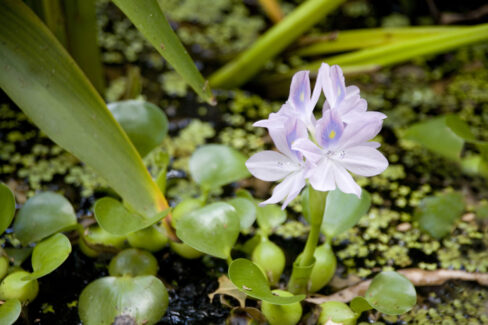
With its delicate, pale purple blooms, the water hyacinth is a total showstopper in any aquarium. But I’ll be honest with you—this tropical floating plant can be a bit of a diva. If you want your water hyacinth to thrive long-term, there are a few insider tips you’ll need to keep in mind.
Are there different types of water hyacinths?
Yes, there are several different species out there! In the wild, they love hanging out in slow-moving or still waters. However, not all of them are welcome everywhere, and some are actually restricted. When you’re shopping, make sure you’re picking a variety that’s actually suited for aquarium life. Your best bets are the Blue Water Hyacinth (bot. Eichhornia azurea), the Variable-Leaf Water Hyacinth (bot. Eichhornia diversifolia), or the Floating Water Hyacinth (bot. Eichhornia natans).
You might have heard of the Common Water Hyacinth (bot. Eichhornia crassipes). While it’s popular for garden ponds, keep in mind it’s not frost-hardy. Because it grows like crazy in tropical climates and can totally take over local ecosystems, it’s often classified as an invasive species. In fact, in places like the EU, there are strict bans on selling it, so always check your local regulations!
How big should the aquarium be?
Since water hyacinths aren’t exactly “mini” plants, you’ll want an aquarium with some breathing room. A minimum depth of about 8 to 16 inches is usually the sweet spot. While some types love to drift freely on the surface, their long roots can be anchored to the bottom if you prefer—a small stone is usually enough to weigh them down. Other species naturally prefer to root directly into the substrate.
Freshwater or saltwater?
All water hyacinth species are freshwater plants through and through. The biggest deal-breaker for them is temperature; they need it warm! If the water gets too chilly, the plant will stop growing and might even start to rot. Along with warmth, these beauties are total light-hogs. Make sure they get plenty of bright light for at least twelve hours a day to keep them happy.
Quick Summary:
- Best species for freshwater tanks: Floating Water Hyacinth (Eichhornia natans), Blue Water Hyacinth (Eichhornia azurea), and Variable-Leaf Water Hyacinth (Eichhornia diversifolia).
- Common Water Hyacinth (Eichhornia crassipes) is often restricted or banned due to its invasive nature.
- Basic needs: Lots of light and warmth, high humidity, and plenty of nutrients.
Pro Tip: If your water hyacinth is feeling at home in your tank, you can easily propagate it using cuttings!