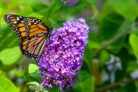
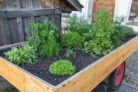
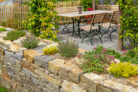
Want to turn your balcony into a buzzing paradise? These popular pollinator-friendly flowers are perfect for feeding bees and other helpful insects. By planting these beauties, you’re doing your part to support local biodiversity right from your own home.
[[pflanzen]]
++Nasturtium (Tropaeolum)
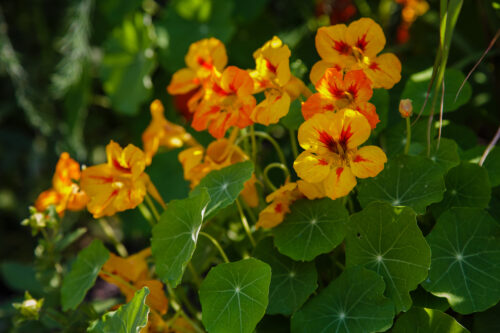
The large, vibrant blooms of the nasturtium are a showstopper. These plants offer a massive flush of flowers that decorate your balcony from July all the way through October. During this time, you’ll see plenty of bees and other beneficial insects stopping by for a snack. But they aren’t just for show—nasturtiums are also edible! They make a great peppery garnish for salads and have a long history as a medicinal herb.
++Thyme (Thymus)
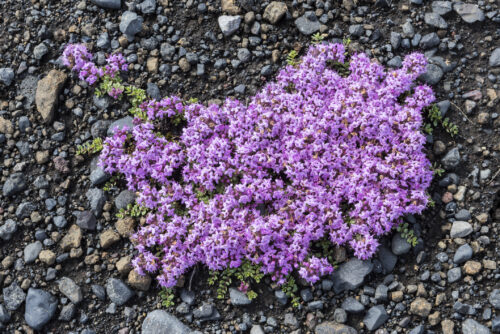
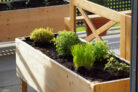
Thyme is a kitchen staple that bees and bumblebees absolutely love. When it flowers, it provides a rich nectar source for all sorts of insects. Plus, you get fresh, aromatic leaves year-round to level up your cooking. Thyme is super versatile—it thrives in small window boxes or large pots. It’s incredibly low-maintenance and can handle long dry spells without breaking a sweat. Just run your fingers through the stems to release that amazing, classic scent!
++Lobelia (Lobelia erinus)
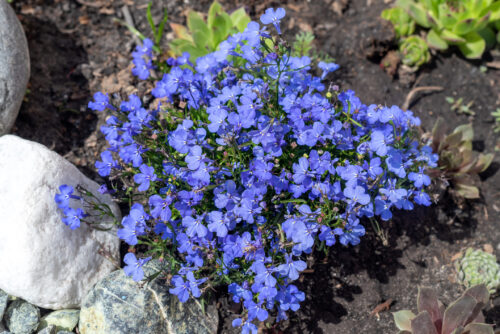
Lobelia is a fantastic choice if you want a plant that blooms for months on end. This “marathon bloomer” provides a steady food source for insects throughout the season. Usually grown as an annual, it produces a cloud of tiny, brilliant blue flowers. Since true blue is such a rare color in the garden, it’s a favorite for adding a pop of color to a dull balcony. It’s pretty flexible, too, growing well in both full sun and partial shade.
++Bacopa (Sutera cordata)
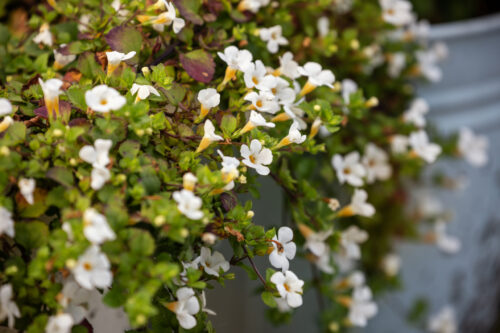
Commonly known as the “Snowflake Flower,” Bacopa produces delicate little blooms that are a big hit with pollinators. While snowy white is the classic look, you can also find varieties in soft purples or pinks. Its blooming season starts in May and lasts until October. It looks stunning trailing over the edge of a hanging basket or planter and is happy in partial shade or even full shade.
++Aster (Aster)
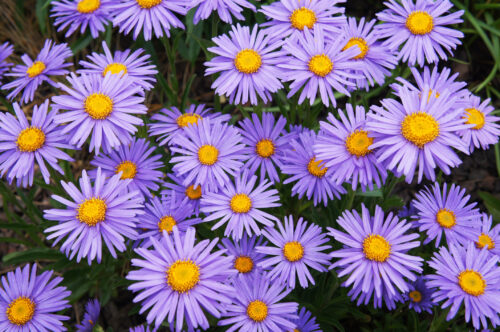
Asters are part of the daisy family and are a beloved staple in many gardens. They are tough plants that handle our climate with ease. Local insects are very familiar with these flowers and rely on them heavily. They grow from rhizomes and can spread fairly quickly, giving you a lush, bushy look in no time. If you want a reliable, “wildflower” vibe on your balcony, asters are the way to go.
++Stonecrop (Sedum)
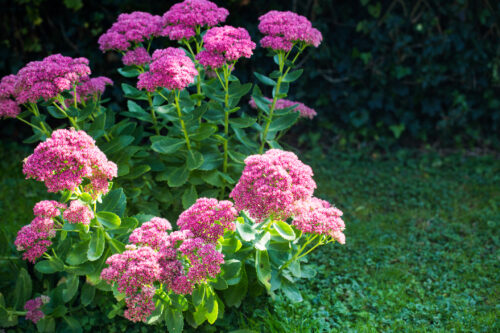
Stonecrop, or Sedum, is a hardy succulent that produces clusters of star-shaped flowers. While some varieties make great groundcovers, they also look fantastic in balcony pots. These plants are incredibly tough—some species even grow as far north as Siberia! If you’re looking for a “set it and forget it” plant that still helps the bees, Sedum is a perfect choice.
++English Lavender (Lavandula angustifolia)
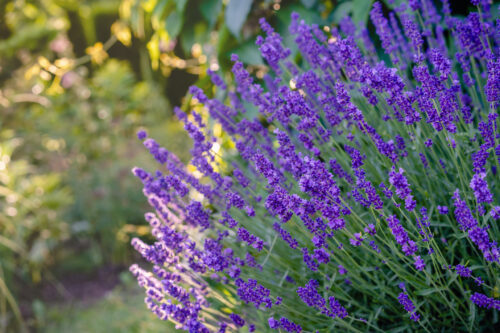
English Lavender is a pollinator magnet, especially for bumblebees. But the benefits aren’t just for the bugs! The beautiful purple spikes will make you feel like you’ve been transported to the fields of Provence. The scent is incredibly relaxing, and you can even use the flowers for baking or making tea. It’s a sensory delight for both you and the bees.
%%Heliotrope (Heliotropium arborescens)
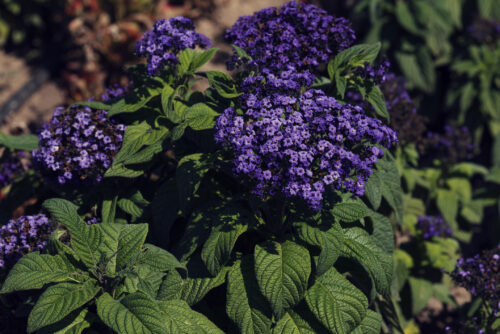
Looking for something a little different? Heliotrope (often called the “Cherry Pie” plant or Vanilla Flower) offers gorgeous clusters of purple blooms and an intoxicating, exotic scent. It will make your balcony smell like sweet vanilla! Just a heads-up before you plant: keep in mind that Heliotrope is toxic, so be careful if you have curious pets or small children around.