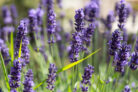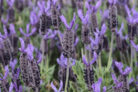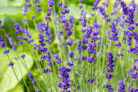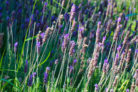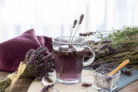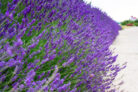
As an evergreen shrub with an upright growth habit, English Lavender is easily one of the most beloved medicinal plants out there. This little shrub is incredibly versatile in the home garden—it looks just as good lining a walkway as it does in a gravel, rock, or Mediterranean-style garden. And of course, planting it alongside roses is a classic tradition that never goes out of style!
English Lavender at a Glance
To help you identify English Lavender and tell it apart from other varieties (like the common hybrid Lavandin), I’ve put together this quick cheat sheet of its most important traits:
- Botanical Name: “Lavandula angustifolia”
- Common Name: English Lavender, True Lavender
- Plant Family: Lamiaceae (Mint family)
- Origin: The Mediterranean and Southern Europe; originally found on dry, rocky slopes in places like Greece, Tuscany, and Dalmatia.
- Distribution: Cultivated worldwide (except for extreme climates like the Arctic or Antarctic).
- Ideal Spot: Loves full sun; thrives in lean, well-draining, and dry soil.
- Growth Habit: Small perennial shrub.
- Perennial: Yes (hardy in many regions, though it may need some winter protection in very cold climates).
- Height: About 2 to 3 feet (60 to 100 cm).
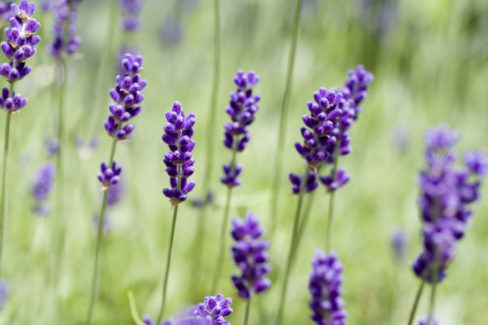
- Flowers: Spiky, elongated flower heads.
- Colors: Shades of violet to deep blue.
- Bloom Time: Late May through mid-September.
- Fruit: Seed-bearing ovaries (angiosperm).
- Leaves: Narrow, lance-shaped, and evergreen; they have a silvery-grey underside, grow up to 2 inches long, and have a fine, fuzzy texture.
- Propagation: Via seeds or cuttings.
- Sowing: February to March (indoors/starter trays).
- Toxicity: Non-toxic.
- Uses: Ornamental, medicinal, fragrance, and culinary spice.
- Harvest Time: Mid-June to mid-September (for the blossoms).
How to Use English Lavender
Most of us grow English Lavender for its gorgeous blooms, that heavenly scent, and to give our local bees and butterflies a helping hand. But this shrub is way more than just a pretty face in the garden! It has a ton of practical uses that make it a must-have for your home:
- Medicinal Uses: Known to help ease symptoms of depression, regulate sleep issues, and reduce stress or bloating. It’s even used to support the healing of minor gum or mouth irritations.
- Wellness & Relaxation: Lavender essential oil is a staple for relaxation. You’ll find it in salves, diffusers, and aromatherapy treatments to help you unwind.
- Culinary Spice: You can use it fresh or dried! It’s a secret weapon in gourmet cooking, adding a unique floral note to meat and fish dishes, desserts, sauces, and dressings.
- Beauty & Cosmetics: It’s a primary fragrance source for all sorts of perfumes, lotions, and soaps.
- Natural Moth Repellent: Tuck some dried flowers into your dresser or closet to keep moths away and make your clothes smell amazing.
The real magic of English Lavender is that unmistakable aroma. Not only does it smell incredible, but that scent is famous for being both calming and a total mood-booster. Whether it’s in your garden or your kitchen, you really can’t go wrong with this plant!