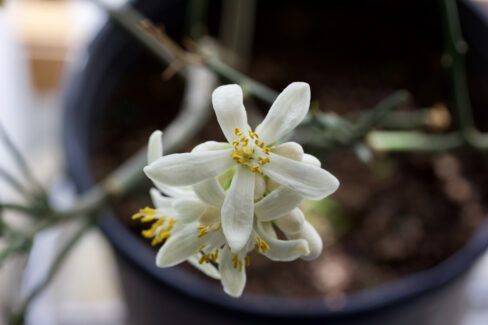
Lemon trees are absolute showstoppers, especially when they’re loaded with bright, sunny fruit. Since these beauties aren’t frost-hardy, we have to grow them in containers here. But don’t let that fool you—with a little love, they can still grow into impressive, stately trees!
The Perfect Spot
Your lemon tree is a total sun-worshiper. During the summer, it’ll be happiest outdoors on your patio or balcony. Just try to find a spot that gets plenty of light but is tucked away from harsh winds and heavy rain.
Once the weather cools down (usually from September or October until mid-to-late May), it’s time to bring your *Citrus x limon* inside. Make sure it stays in a bright, frost-free room for its winter nap.
Soil and Potting
The right soil makes all the difference. You want something stable, loose, and well-draining. Honestly, the easiest route is grabbing a bag of specialized citrus potting mix—it’s already tailored to exactly what these plants need. To keep those roots from getting “soggy feet” (root rot), make sure your pot:
- Has at least one good drainage hole at the bottom.
- Includes a drainage layer (like gravel or clay pebbles) at the base.
Watering Tips
When your lemon tree is soaking up the summer sun on the balcony, it gets thirsty fast! Get into the habit of checking it daily. If the top inch of soil feels dry, it’s time for a drink. When you water, go deep—keep pouring until you see water starting to trickle out into the saucer.
In the winter, your citrus plant won’t be nearly as thirsty. Just keep an eye on that top layer of soil; once it’s dry, give it a light watering.
Feeding and Fertilizer
To help your tree grow strong and lush, you’ll want to fertilize it regularly during its main growing season—about every one to two weeks. Give it a break during its winter dormancy from October to early March. A standard liquid fertilizer works fine, but a specialized citrus fertilizer is even better for that extra boost.
Pruning
Left to their own devices, lemon trees don’t always grow into the prettiest shapes. To keep that canopy looking sharp, you’ll want to prune it regularly. The best time to do this is in early spring before the new leaves pop out, or in the fall before you move the tree indoors for the winter.
Repotting
While lemon trees love fresh soil, they aren’t exactly fans of the repotting process. It’s a bit stressful for them, so there’s no need to do it every year. As a general rule of thumb:
- Young trees need a new pot every two to three years.
- Older, established trees can stay put for five to ten years.
However, if you see roots starting to poke out of the drainage holes, that’s a clear sign your tree is ready for a bigger home!