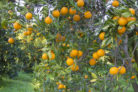
Because of their tropical roots, orange trees aren’t exactly fans of our chilly winters. They don’t have a built-in “winter coat,” so they need a little extra TLC from us to survive the frost. Finding the right spot for them to ride out the cold is the secret to a healthy tree and a big harvest next season.
Orange trees aren’t cold-hardy
Let’s get the most important thing out of the way: orange trees are not winter-hardy. Once the thermometer starts dipping toward 50°F (10°C), it’s time to move your tree to a protected spot. Even temperatures in the low 40s can cause some serious damage, so don’t wait until the first frost to take action!
Choosing the perfect winter home
When you’re picking out a spot for your tree to spend the winter, there are a few “must-haves.” You’re looking for a place that is frost-free but still stays nice and cool.
The sweet spot for temperature
Ideally, your orange tree wants to be somewhere between 40°F and 60°F (5°C to 15°C). This means your cozy, heated living room is actually a bad choice!
If the environment is too warm, the tree won’t go into its necessary winter dormancy. This can cause it to sprout new growth way too early, and warm indoor air is basically an open invitation for spider mites to move in.
Let there be light
While your tree likes it cool, it still needs plenty of light. A good rule of thumb: the warmer the room, the more light the tree needs. Unfortunately, the natural light in most of our homes during the winter just isn’t bright enough for a citrus tree.
Great places to overwinter
Some of the best spots to keep your tree happy until spring include:
- Bright, dry garages or basements
- Unheated greenhouses or sunrooms
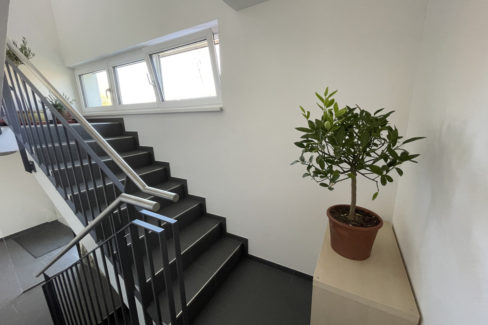
- Cool hallways or stairwells
Winter care tips
Even though your tree is resting, it still needs a little attention. You can skip the fertilizer for now, but don’t forget the water! Make sure the root ball never dries out completely. On the flip side, don’t overdo it—soggy roots are just as bad. Keep a close eye out for any pests or diseases while you’re at it.
Don’t panic if your tree drops a few green leaves during the winter; it’s a totally natural part of the process.
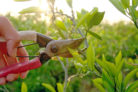
Before you tuck your tree away for the season, give it a quick pruning. Snip off any dead branches or anything that’s making the tree look messy. You should also trim back any “leggy” new growth that hasn’t hardened off yet. If there’s still unripe fruit on the branches, just leave it be! Those oranges will finish ripening once things warm up next year.