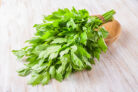
When summer is in full swing, your basil plants are usually growing like crazy! If you find yourself with more basil than you can use in a single Caprese salad, it’s time to think about preserving that homegrown goodness. Here are my favorite tips and tricks for making your harvest last.
Harvesting Like a Pro
In most regions, peak basil season runs from April through October. While you can try to bring your basil indoors for the winter, the yield is usually pretty disappointing compared to those sunny summer months. If you don’t plan on overwintering your plants, the best move is to do a final “big harvest” in late September or early October to preserve everything you’ve grown.
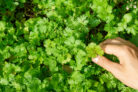
One mistake I see a lot of beginners make is plucking individual leaves off the stems. Don’t do it! This actually encourages the plant to grow tall and “leggy” rather than bushy, which means fewer leaves in the long run. Instead, you want to harvest whole sections of the stem.
Cut the stem down to just above a pair of leaves. For a regular harvest, leave about two to four leaf pairs on the plant. New shoots will emerge from the “leaf axils” (the spot where the leaves meet the stem), leading to a much bushier plant with plenty of tender new growth.
If you’re looking to harvest a large amount for preserving, you can safely cut the entire plant back by up to a third of its height. As long as you’re giving it plenty of love and water, it’ll bounce back just fine—just don’t do a radical haircut like this too often!
Ways to Preserve Your Basil
When it comes to keeping that basil flavor around for the off-season, you’ve got a few solid options:
- Freezing
- Infusing (Oil or Vinegar)
- Drying
Freezing Basil
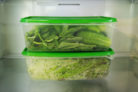
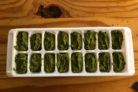
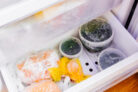
Freezing is a super popular and easy way to keep basil on hand. You can freeze the leaves whole or chop them up first. To keep the color bright green, I recommend blanching them first: dip the leaves in boiling water for about 5–7 seconds, then immediately dunk them into an ice bath. Pat them dry with a kitchen towel, and they’re ready to go into freezer bags or containers.
Infusing Basil in Oil or Vinegar
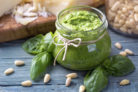
Basil-infused oil is a total gourmet treat and stays fresh for about six months. After harvesting, separate the leaves from the stems, making sure to only use the healthiest, freshest leaves. Give them a rough chop and pack them into a sterilized, dry glass jar. Fill the jar with high-quality olive oil, stirring occasionally to make sure no air bubbles are trapped between the leaves. Let it sit for about three weeks, and you’ll have incredible flavored oil! You can follow the exact same process using vinegar if you prefer a tangy infusion.
Drying Basil
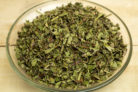
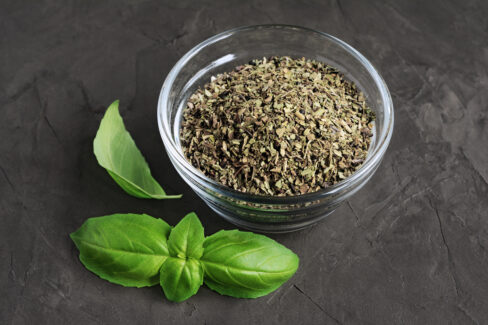
I’ll be honest with you: basil loses a lot of its punch when dried. Those aromatic essential oils are pretty delicate and tend to evaporate during the process. But if you want to give it a shot, speed is the name of the game.
Here’s how to do it:
- Gently remove the leaves from the stems. Try to avoid washing them if they’re already clean.
- Spread the leaves out in a single layer on a parchment-lined baking sheet.
- Pop them in the oven at a very low temperature (around 100°F or 40°C) to dry them out quickly.
- If you have a food dehydrator, that’s actually the best way to go! Just follow your machine’s specific settings for herbs.
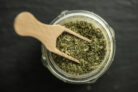
- Store the dried leaves in an airtight jar. When you’re ready to cook, crumble the leaves between your fingers to wake up whatever aroma is left.
Pro Tip: Nothing beats the taste of fresh basil. Since you can usually find live basil plants at the grocery store even in the winter, you don’t *have* to preserve it. But if your garden is overflowing in August, these methods are a fantastic way to make sure none of that green gold goes to waste!