We’ve all been there: you start with a few seeds, and before you know it, your garden is overflowing because you just *had* to try every variety. While a big harvest is a great problem to have, it can get a little overwhelming when everything ripens at once. The good news? You don’t have to eat all your cilantro (coriander) fresh! I’m going to show you my favorite ways to preserve that harvest so nothing goes to waste.
Keeping Fresh Cilantro in the Fridge
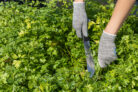
You can start harvesting your cilantro as early as June. Pro tip: regular harvesting actually helps delay the plant from bolting (flowering), giving you more leafy greens for longer. If you aren’t ready to use your freshly cut stems right away, the fridge is your best friend. Place the unwashed stems in a glass of water—like a bouquet of flowers—and loosely cover the top with a freezer bag. This little “greenhouse” effect keeps the aroma intense and the leaves crisp. Just be sure to swap out the water every day!
Drying Cilantro Seeds
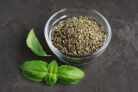
If your plants have already gone to seed, don’t worry—coriander seeds are a kitchen staple! To dry them, cut the entire seed heads and let them ripen and air-dry gently. You can spread them out flat on paper towels or newspaper, or my personal favorite: hang them upside down inside a paper bag or cloth sack. Find a warm, breezy spot for them to hang out. Once the stems are completely brittle, those dark brown seeds will practically fall off on their own. You can just shake the bag or pluck off any stubborn ones.
Storing Your Seeds
The best way to store your dried seeds is in a tightly sealed paper bag. Don’t forget to label it with the date! To get that amazing, punchy flavor in your cooking, wait to crush or grind the seeds with a mortar and pestle until right before you’re ready to use them.
Air-Drying Cilantro Leaves
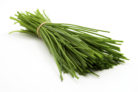
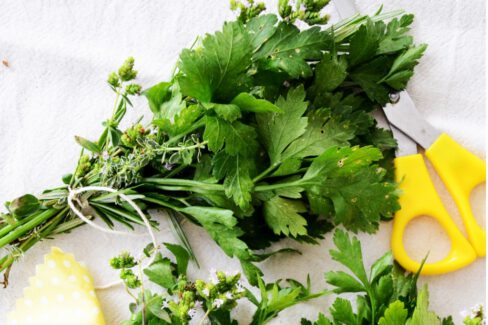
You can also air-dry the leafy stems. Just tie them into small bundles and hang them upside down in a warm, dry spot that’s protected from the wind. It’s a classic, low-tech way to keep your herbs shelf-stable.
Freezing Cilantro
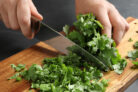
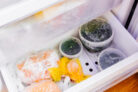
If you want to keep that “fresh” taste for soups and stews, freezing is the way to go. You can chop the leaves and pop them into an ice cube tray with either water or a high-quality olive oil. A quick tip: stick to olive oil rather than sunflower or flaxseed oil. Some vegetable oils have a super low freezing point and won’t actually harden properly in a standard home freezer. Once they’re frozen, you can toss the cubes into a freezer bag and grab one whenever you’re cooking!