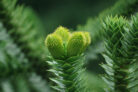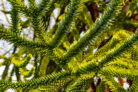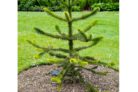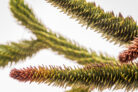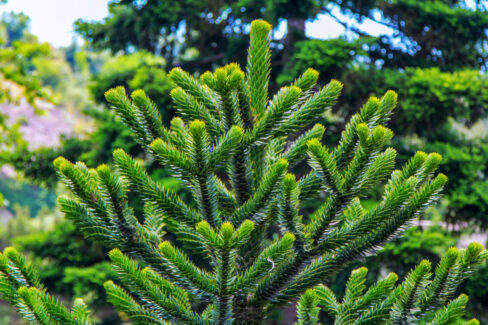
The Monkey Puzzle tree—also known as the Chilean Pine or *Araucaria araucana*—is a truly striking evergreen. Originally from Chile, these unique trees have unfortunately become quite rare in their natural habitat. That makes growing your own even more special! If you’re looking to add one of these prehistoric-looking beauties to your garden, here is everything you need to know about propagating them.
Why Propagation Can Be Tricky
I’ll be honest with you: the Monkey Puzzle tree isn’t the easiest plant to clone. Unlike many other garden favorites, you can’t just snip off a branch and expect it to take. If you try to grow one from cuttings, you might see a few tiny roots start to form, but they almost never develop enough strength to support a healthy tree.
Root suckers (offshoots from the base) have the same issue—they just don’t build a strong enough root system on their own. Plus, there’s a major downside to pruning this tree: once you cut a branch, that specific spot won’t grow back. Because of this, we have to take a different approach.
Preparing Your Seeds for Success
If you want to grow a new Monkey Puzzle tree, seeds are definitely the way to go. However, they need a little “tough love” before they’re ready to sprout. For the best results, try to get your hands on a fresh cone with seeds inside; fresh seeds have a much higher success rate than the dried ones you might find online.
To get them ready for planting, you’ll need to mimic winter through a process called stratification:
- Grab a plastic bag and fill it with some damp sand.
- Tuck your seeds into the sand.
- Pop the bag into your refrigerator for a few months.
- Once they’ve had their “winter nap,” they’re ready to be planted.
How to Sow Your Seeds
When it’s time to plant, you’ll want to prep a pot (or a spot in your yard) with the right soil. Use a high-quality, nutrient-rich potting mix and blend in a bit of sand for drainage.
Here’s the trick to planting: don’t bury the whole seed. Place the seed into the soil with the pointed end facing down. Only the bottom half should be submerged; the top half should stay visible above the soil line.
Keep the soil consistently moist, but be careful not to overwater—you don’t want the seeds to rot! These trees are pretty hardy and can handle temperatures anywhere between 40°F and 75°F (5 to 25°C). You should start to see little sprouts appearing after about twelve weeks. Just make sure to keep a close eye on your young tree so it stays healthy and your Monkey Puzzle tree doesn’t turn brown.