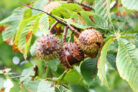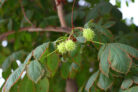
If you’re dreaming of roasting your own chestnuts over an open fire, you’ll be happy to know that growing a Sweet Chestnut tree in your backyard is actually pretty straightforward! There are two main ways to get started on your own. Here’s the lowdown on how to propagate them and what you can expect from each method.
You’ve got two main options:
- Growing from seed (the nuts themselves)
- Growing from hardwood cuttings
How to Grow Sweet Chestnuts from Seed
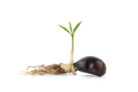
You can definitely go the natural route and grow a tree just like Mother Nature does—by planting the seeds. This method is fairly easy, but it does require two things: fresh seeds and a whole lot of patience. You’ll also need to make sure you have the right spot in your yard. Just a heads-up: don’t expect a harvest right away. These trees usually take at least 15 years before they start producing their first crop of nuts.
There’s also a little bit of a “mystery factor” with seeds. Unless you’re in a controlled orchard, you won’t know which tree pollinated yours. This means the new tree might not have the exact same traits as the parent tree. If you’re looking for a specific variety, keep in mind that seeds don’t always grow “true to type.”
Here’s how to do it:
- If your seeds feel dry, soak them in water for about two days to wake them up.
- Plant them about half an inch deep in some low-nutrient potting soil.
- Give them a light watering to start, and then keep the soil consistently moist.
- If you’re starting them in pots, plan on repotting them after the first year.
- Make sure to protect these little guys from frost while they’re young!
Propagating with Hardwood Cuttings
If you don’t want to wait on seeds, you can try using hardwood cuttings. During the winter, snip off some strong, healthy shoots from a donor tree. You’re looking for pieces with about four “eyes” (buds). Make a clean, diagonal cut at the base and tuck the cutting into a mix of sand and peat. Keep the pot in a bright, frost-free spot and water it moderately. By springtime, the part underground should start developing roots. Just wait until the danger of frost has passed before moving your new saplings out into the garden.