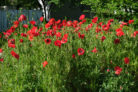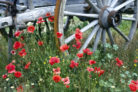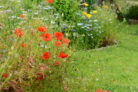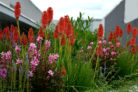
Did you know that giving your poppies a little haircut can actually do wonders for your garden? In this guide, I’m going to walk you through why you should grab your shears after the blooming season and exactly how to go about it.
Perennial Poppies Need the Most Love
If you’re growing annual poppies, you can skip the pruning shears. Once those beauties are done blooming, you can just pull them out by the roots and toss them in the compost. Perennials, on the other hand, really benefit from a strategic trim. Here’s a quick cheat sheet to help you figure out which poppies are which:
Annual Poppy Varieties
- Wild Poppy
- Corn Poppy (Common Poppy)
- Ladybird Poppy
- California Poppy
Perennial Poppy Varieties
- Iceland Poppy (usually biennial)
- Plume Poppy
- Oriental Poppy
Why You Should Prune Your Poppies
There are two main reasons why you’ll want to cut back your perennial poppies:
Keeping Self-Seeding Under Control
Perennial poppies are prolific self-seeders—they love to spread! If you leave something like an Iceland Poppy to its own devices, your garden bed will be overflowing within a single season. The problem is, they often pop up in spots where you didn’t want them.
By snipping off the dried seed heads right after the flowers fade, you stop the seeds from forming and dropping in the first place.
Pro Tip: Don’t just toss those seed pods! They look gorgeous as decorative elements in dried flower bouquets or fall arrangements. Plus, if you *do* want more poppies, you can collect the seeds and sow them exactly where you want them for a more controlled garden look.
Winter Protection
The leftover foliage you cut back actually makes a fantastic natural mulch to protect the plant from freezing temperatures. Just spread the cut leaves over the soil at the base of the plant. This also helps prevent the soil from getting too waterlogged during heavy rains. Poppies are pretty picky about “wet feet” and don’t like sitting in soggy ground.
Pro Tip: Of course, pruning also keeps your garden looking tidy. Just a heads-up: only remove the dried-out leaves and spent blooms. Avoid a “radical” chop—you want to keep the plant healthy, not stress it out!