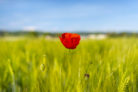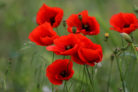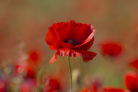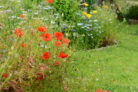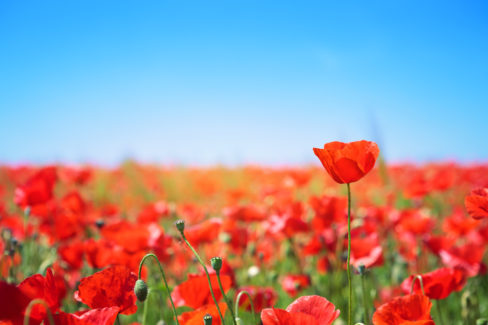
Big, bold, and bright red—that’s the classic corn poppy we all know and love. But do you know exactly when those buds pop open or how long they actually last? Most people are also surprised to learn just how versatile these flowers can be. In this post, I’m going to share some fun facts about the corn poppy and show you a few creative ways to use those beautiful petals.
Appearance and Growth
Flower Color
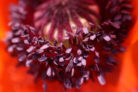
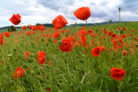
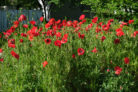
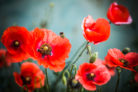
Everyone recognizes that iconic, glowing red hue. And while those petals look pretty impressive, there are other varieties—like the Oriental poppy—that actually grow much larger. But don’t count the corn poppy out! It has its own unique charms, and thanks to modern breeding, you can even find varieties in lovely shades of orange or crisp white.
Bloom Time and Duration
Corn poppies usually start waking up in early summer. Depending on the weather, you’ll see the first blooms appearing in May. Here’s the catch: an individual flower only lasts for a single day! Luckily, the plant is a non-stop blooming machine, constantly pumping out new buds so you’ll hardly notice the old ones fading.
Pro Tip: Corn poppies are sun-worshippers. They need plenty of direct sunlight to really show off their best colors.
Ways to Use Your Poppies
These red beauties aren’t just for looking at in a meadow or garden bed. Did you know they’re actually edible in small amounts? However, if you’re looking for a bouquet, they might not be your first choice.
Corn Poppies as Cut Flowers?
If you snip a corn poppy to put in a vase, it’ll usually wilt within twenty-four hours. Since the flower is separated from the root, it can’t produce those replacement buds. If you really want to try it, try dipping the cut ends in warm water to help them stay hydrated a little longer.
Pro Tip: If you want poppies for your kitchen table, go with Oriental poppies—they can last up to three weeks in a vase!
Using Poppies in the Kitchen
While the poppy seeds you use for muffins usually come from the breadseed poppy (Papaver somniferum), corn poppies have their place in the kitchen too. You’ll often find the dried petals in herbal tea blends. Fresh petals also look stunning tossed in a summer salad or used as an edible garnish for a party platter. Just remember: moderation is key! Only eat them in small amounts, as consuming too much can be mildly toxic.