By Priya Sharma|Published on November 16, 2022|Updated on January 23, 2025
When it comes to pumpkins and squash, there’s a whole world of variety beyond just your standard jack-o’-lantern. From vibrant colors to unique flavor profiles, each type brings something special to the table. We’re diving into seven of the most popular varieties, plus a little “insider tip” for your next quick meal.
[[pflanzen]]
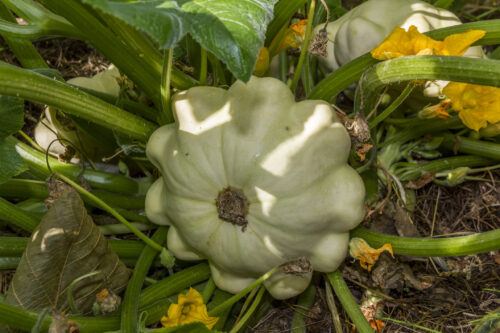
++Patisson or Pattypan Squash (Cucurbita pepo var. patissonina)
The Patisson—often called Pattypan or even “Bishop’s Cap”—is a real heirloom gem that dates back to the Incas. These little guys come in white, green, yellow, or even bicolor, and they look a bit like flying saucers! The best part? If you harvest them while they’re young, you can eat the skin and seeds. They’re great for home gardeners because they grow in a bush rather than trailing all over the place, making them easy to tuck in between your other veggies.
++Musquée de Provence (Cucurbita moschata)
This French favorite is absolutely stunning with its flattened shape and deep ribs. The color shifts from a dark green to a beautiful tan as it matures. Inside, the flesh tastes a bit like chestnuts seasoned with nutmeg—hence the name! While the skin isn’t super thick, it doesn’t have much flavor, so you’ll want to peel it before cooking. Just a heads-up for growers: these vines love to wander and need plenty of space. In a happy garden, a single fruit can weigh up to 65 pounds!
++Styrian Oil Pumpkin (Cucurbita pepo var. styriaca)
Originally grown as a companion plant in cornfields, the Styrian pumpkin starts green and turns a mottled yellow-orange. While you can use the flesh for soups and salads, the real stars here are the seeds. They don’t have a hard outer shell—just a thin skin—so you can snack on them right away! These plants are sun-worshippers, so make sure they get a spot with full, direct light.
++Giant Pumpkins & Ghost Riders (Cucurbita maxima)
If you’re looking to carve a massive Halloween masterpiece, these are your go-to varieties. They can easily hit 100 pounds! The flesh is mild and a bit watery, so it’s not usually the first choice for a savory side dish, but it’s perfect for baking, desserts, or pickling. To grow a true giant, you need heat, high humidity, and tons of nutrients. Many gardeners actually plant them right on top of their compost pile to keep them well-fed.
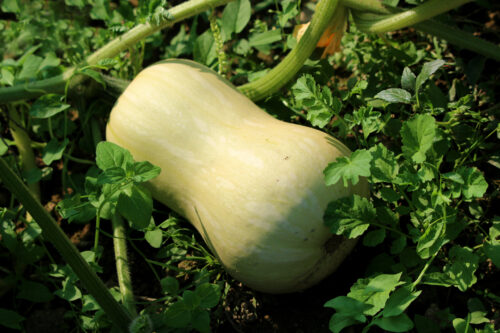
++Butternut Squash (Cucurbita spec. ‘Sonca’)
--500x333.jpg" alt="Butternuss-Kurbis, Butternut " width="500" height="333" class="alignnone size-medium-large wp-image-45019" srcset="https://guterboden.de/wp-content/uploads/2022/11/Butternuss-Kurbis-Butternut--500x333.jpg 500w, https://guterboden.de/wp-content/uploads/2022/11/Butternuss-Kurbis-Butternut--300x200.jpg 300w, https://guterboden.de/wp-content/uploads/2022/11/Butternuss-Kurbis-Butternut--1024x683.jpg 1024w, https://guterboden.de/wp-content/uploads/2022/11/Butternuss-Kurbis-Butternut--768x512.jpg 768w, https://guterboden.de/wp-content/uploads/2022/11/Butternuss-Kurbis-Butternut--1536x1024.jpg 1536w, https://guterboden.de/wp-content/uploads/2022/11/Butternuss-Kurbis-Butternut--2048x1365.jpg 2048w, https://guterboden.de/wp-content/uploads/2022/11/Butternuss-Kurbis-Butternut--488x325.jpg 488w, https://guterboden.de/wp-content/uploads/2022/11/Butternuss-Kurbis-Butternut--308x205.jpg 308w, https://guterboden.de/wp-content/uploads/2022/11/Butternuss-Kurbis-Butternut--234x156.jpg 234w, https://guterboden.de/wp-content/uploads/2022/11/Butternuss-Kurbis-Butternut--138x92.jpg 138w, https://guterboden.de/wp-content/uploads/2022/11/Butternuss-Kurbis-Butternut--350x233.jpg 350w" sizes="(max-width: 500px) 100vw, 500px" />
Butternut is a kitchen staple for a reason. Its bright orange flesh is sweet, nutty, and super versatile. It’s pear-shaped with a thin skin that’s easy to peel, and the seeds are all tucked away in the bottom bulb, leaving you with plenty of solid “meat” to work with. In the garden, give them a sunny, sheltered spot. Don’t underestimate them, though—those vines can grow several yards long!
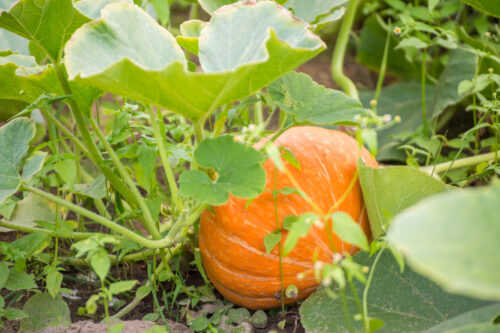
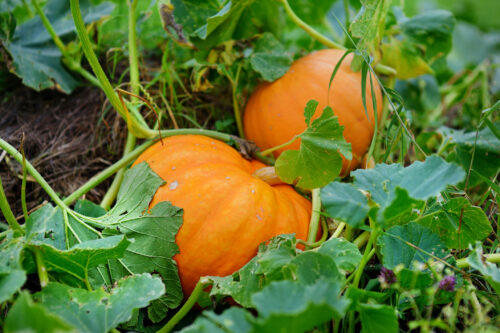
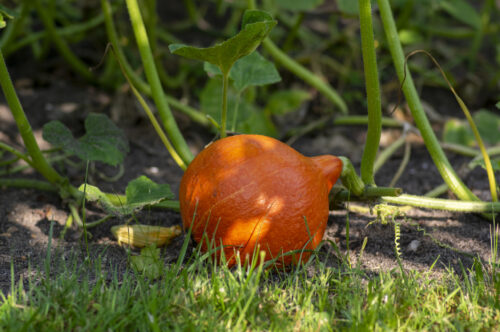
++Hokkaido / Red Kuri (Cucurbita maxima ‚Red Hokkaido‘)
The Hokkaido (or Red Kuri) is a fan favorite because it’s so low-maintenance—you don’t even have to peel it! Developed in Japan in the 20th century, these are smaller pumpkins (usually 2 to 6 pounds) with a rich, aromatic flavor. Pro tip: save the seeds, clean them, and toast them in a pan with a little oil for a delicious snack. They grow beautifully in any warm, protected corner of your yard.
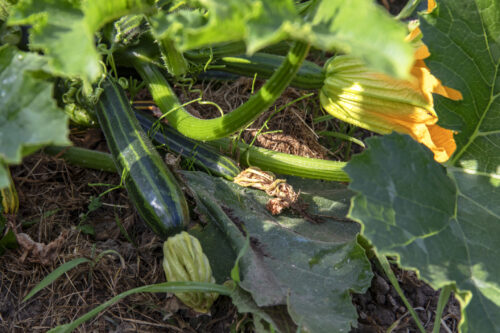
++Zucchini / Courgette (Cucurbita pepo ssp. pepo convar. giromontina)
Believe it or not, zucchini is a member of the squash family! It’s probably the most popular variety out there. While we usually see the long green ones, you can also find round or oval varieties. These are bushy annuals that are incredibly prolific. If they’re happy, just two plants are usually enough to keep a whole family fed all summer long.
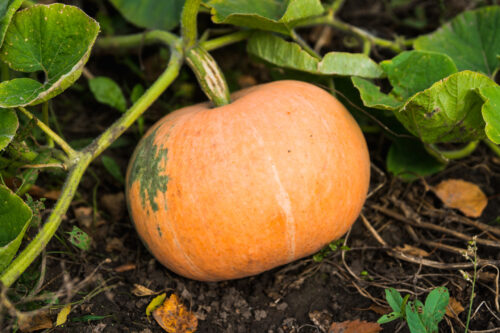
%%The “Microwave” Pumpkin (Cucurbita pepo)
Here’s our secret tip: the Microwave Pumpkin (often sold as ‘Jack Be Little’). These tiny pumpkins are perfect for single servings. Just scoop out the seeds, fill the center with cheese and ham (or whatever you like!), and pop it in the microwave for a few minutes. The flesh is mild and nutty, and like the Hokkaido, the skin is soft enough to eat. They’re great for small gardens, but keep in mind they’re very sensitive to cold—they need a warm, cozy spot to thrive.