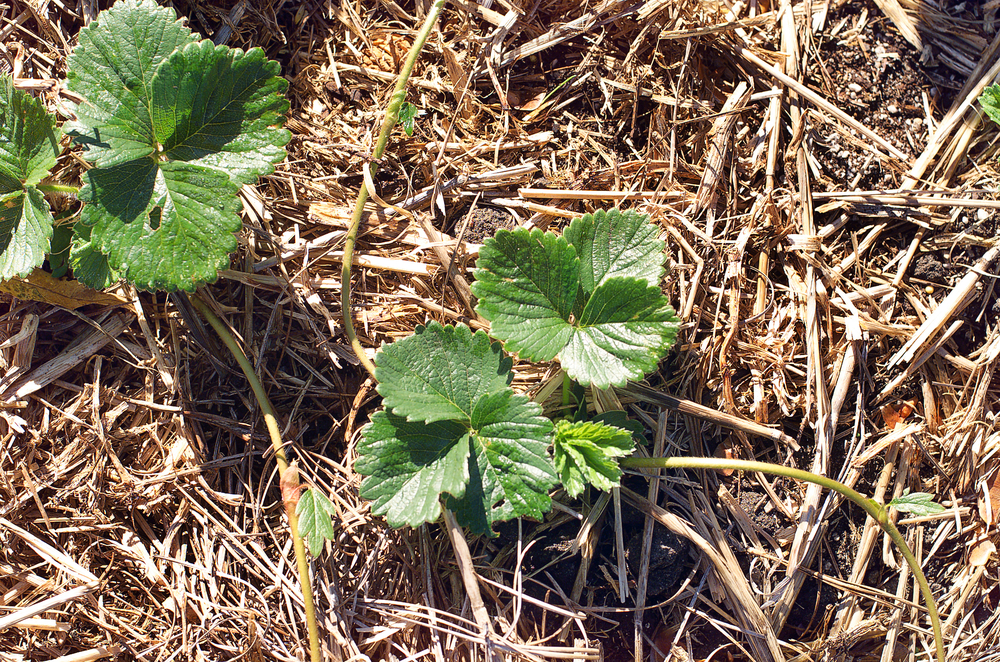
Strawberries are definitely on the delicate side, and if you want a successful harvest, they need a little extra TLC. Between pests, diseases, and those unexpected cold snaps, a lot can go wrong if you aren’t prepared. But don’t worry—I’ve got you covered! Here’s how to keep your strawberry patch thriving and protected.
Protecting Strawberries from Cold and Dirt
Most strawberry varieties are perennials, meaning they can stay in the same spot for about three years. However, they’ll only make it that long if they don’t fall victim to ground frost. Plus, keeping your berries off the bare dirt is key to a clean, rot-free harvest.
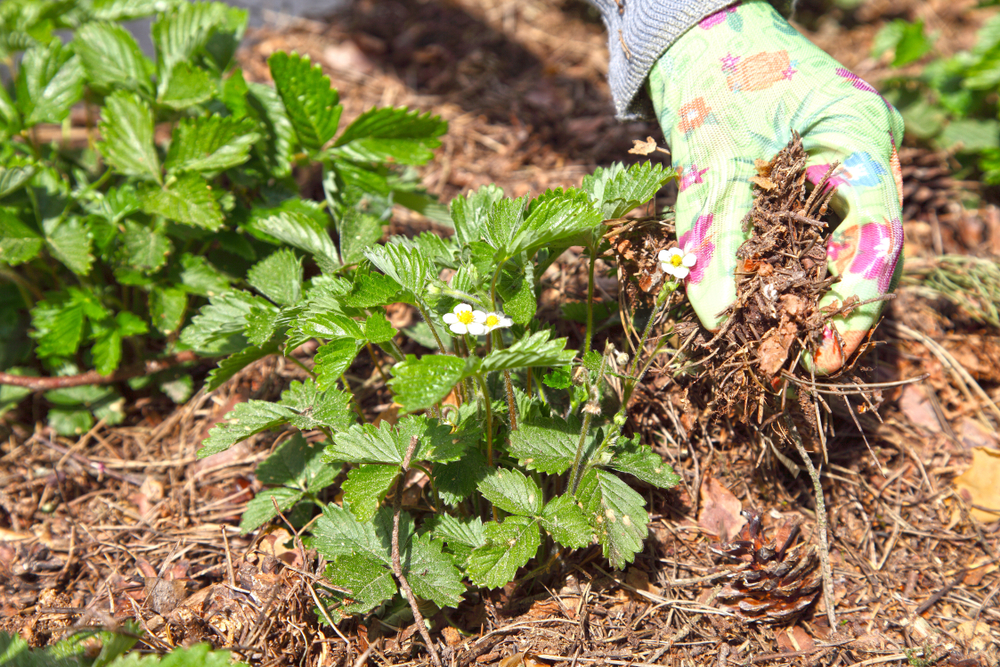
One of the best ways to tackle both frost and dirt is by adding a layer of mulch around your plants. You can find specialized plastic mulch films at the garden center—which is definitely the “easy” route—but they can be pricey and aren’t exactly eco-friendly. Personally, I prefer the natural route. Mother Nature provides plenty of great materials for mulching, such as:
- Hay
- Straw
- Bark mulch
- Pine needles
- Wood shavings
Spread your mulch generously around the plants right after planting. This keeps the roots cozy and ensures the fruit isn’t sitting directly on the soil, which prevents them from getting muddy or rotting when you water them. If you live somewhere with harsh winters, it’s also a smart move to cover the whole bed with a garden fleece or frost blanket for that extra layer of insulation.
Keeping Pests at Bay
Unfortunately, we aren’t the only ones who think strawberries are delicious. Slugs and aphids are the usual suspects, but you might also run into strawberry millipedes or strawberry blossom weevils. Dealing with pests is frustrating, but don’t let them ruin your gardening mojo!
To keep those hungry slugs away, a slug fence is a fantastic investment for a large bed. If you only have a few plants, “slug collars” work wonders. You can also go out in the early morning to hand-pick them while they’re still sluggish from the morning chill. Pro tip: used coffee grounds are a great natural deterrent—caffeine is actually toxic to slugs, making it a much safer alternative to chemical slug pellets.
While a fence won’t stop aphids, a fine-mesh garden cover will do the trick. And let’s not forget our feathered friends! Birds love a ripe berry just as much as we do, so draping some bird netting over your patch is a lifesaver. (Though, let’s be honest, we usually call them “visitors” rather than pests!) You can find even more details on dealing with strawberry pests right here.