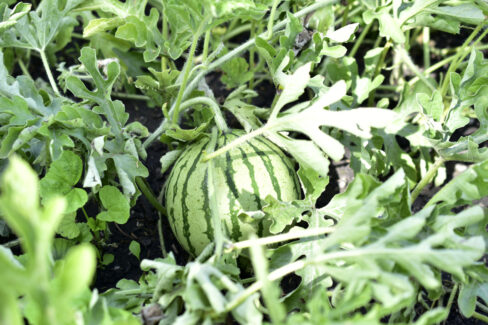
Watermelons are the ultimate summer treat, but they’re definitely a “slow and steady” crop, needing several warm months to reach peak sweetness. If you want to get a head start on your harvest, starting your seeds indoors is the way to go. Trust me, you’ll want to wait for that perfect ripeness—only a fully mature melon delivers that incredible sugary, fruity flavor we all love!
Starting Your Seeds
To give your melons enough time to grow, you’ll want to get your seeds started by April at the latest. A pro tip for a head start is to sprout your seeds between two layers of damp paper towels first. This little trick gives your watermelon seeds a boost and lets you see exactly which ones are strong enough to plant.
This saves you some serious shelf space because watermelons are a bit picky—they hate having their roots messed with. It’s best to sow them directly into their own pots using a nutrient-rich potting mix right from the get-go to avoid transplant shock later.
Planting and Care
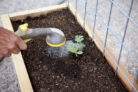
Once the threat of frost has passed (usually around mid-May), it’s safe to move your watermelons outside. One of the best things about these plants is that they’re surprisingly drought-tolerant once established. This makes them fantastic candidates for growing in containers if you’re short on garden space.
Just remember: watermelons are heavy feeders! They need rich soil and plenty of fertilizer throughout the growing season. Before planting, prep your soil with some compost or well-rotted manure. You can also mix in a slow-release fertilizer like horn meal. While they aren’t big fans of lime, they do love a potassium boost once the fruit starts to set. This helps the plant develop those big, healthy melons we’re after.
How to Spot a Ripe Watermelon
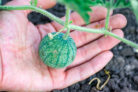
Wondering if your melon is ready for the picnic table? It’s easier to tell than you might think! Starting around August, look for a deep, matte green color on top—if it’s still super shiny, it’s probably not ready. Check the “field spot” (the part touching the ground); it should be a creamy yellow. That yellow patch isn’t a flaw—it’s actually a sign of a perfectly ripe melon!
You can also try the classic “thump test.” Lift the fruit slightly and give it a knock. If it sounds hollow, you’ve hit the jackpot.
Once harvested, there are so many ways to enjoy them. You can even share a few seedless chunks with your dog for a refreshing treat! Just don’t let your melons sit around for too long after picking. Because of their high sugar content, they can start to ferment pretty quickly. Enjoy them while they’re fresh!