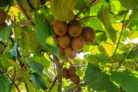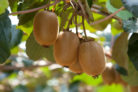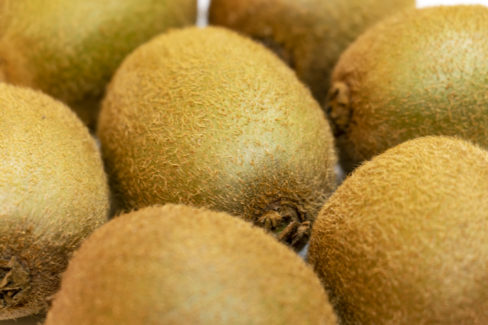
When a kiwi is perfectly ripe, it’s a delicious mix of tangy and honey-sweet. However, if you’ve ever tried to eat one straight off the vine, you probably noticed it was rock hard! That’s because kiwis are actually harvested while they’re still unripe and need a few weeks of cool storage to reach that peak flavor.
The Kiwi: A Fruit That Keeps on Ripening
Kiwis are what we call “climacteric” fruits. This is just a fancy gardening term meaning they continue to ripen after being picked. This is actually why we can find these tropical treats in our local grocery stores all year round. They are harvested while firm in their home countries and slowly ripen during their long journey to our shelves.
Depending on the time of year, your kiwis are likely world travelers. From April to November, most varieties come from New Zealand or Chile. Starting in September, you’ll often see imports arriving from Greece, Italy, or France.
Other Fruits That Ripen After Harvest
Kiwis aren’t the only ones that get better with age! Many of our favorite garden staples do the same thing:
- Apples
- Apricots
- Avocados
- Bananas
- Pears
- Figs
- Mangos
- Nectarines
- Peaches
- Plums
Post-Harvest Ripening Tips
If you’re lucky enough to have a bumper crop from your own kiwi vines this season, don’t dig in right away. Because of their ripening process, they need some “beauty sleep” first. Without proper storage after the harvest, they’ll stay incredibly sour and pretty much inedible.
For the best results, find a cool spot—ideally between 50°F and 60°F (10°C – 15°C)—and let them sit for at least three to four weeks. A cool basement is usually the perfect spot. Pro tip: Lay them out in a single layer in wooden crates. If you stack them too deep, they won’t last as long.
Ripening at Room Temperature
When you’re ready to actually eat your harvest, bring a few fruits into the kitchen a couple of days early. Letting them sit at room temperature is the final step to unlocking their full aroma and sweetness. This is also when the fruit softens up, making it much easier to peel or scoop out.
If your kiwi still has a bit of a “zing” to it after ripening, don’t worry! Green-fleshed varieties with fuzzy skin naturally contain more actinidin, giving them that refreshing, tart kick. If you prefer something sugary-sweet, look for the smooth-skinned Gold Kiwis—you can spot them by their yellow-green centers.