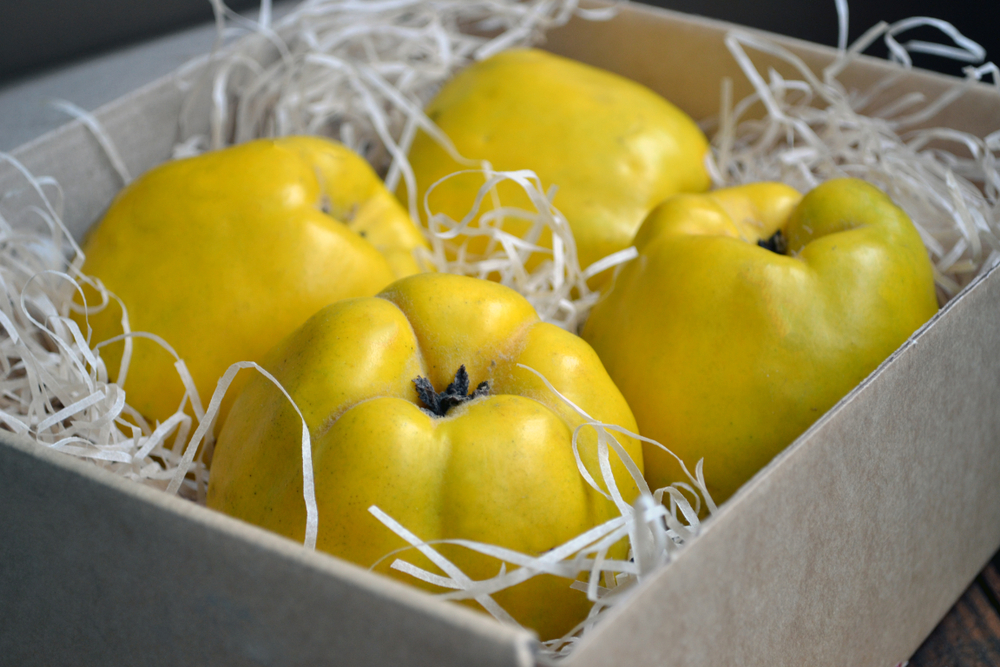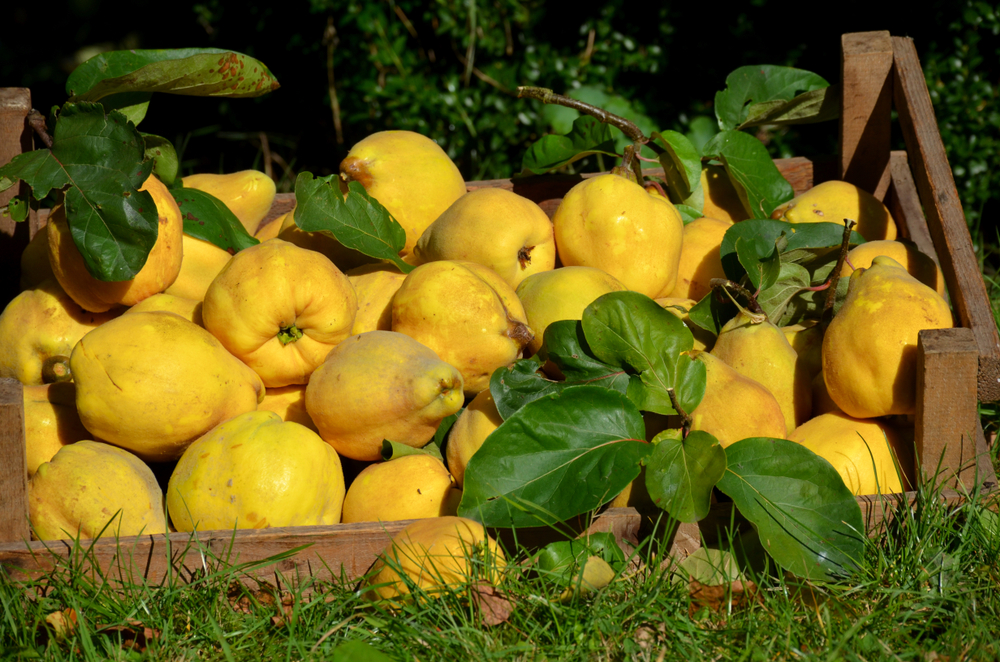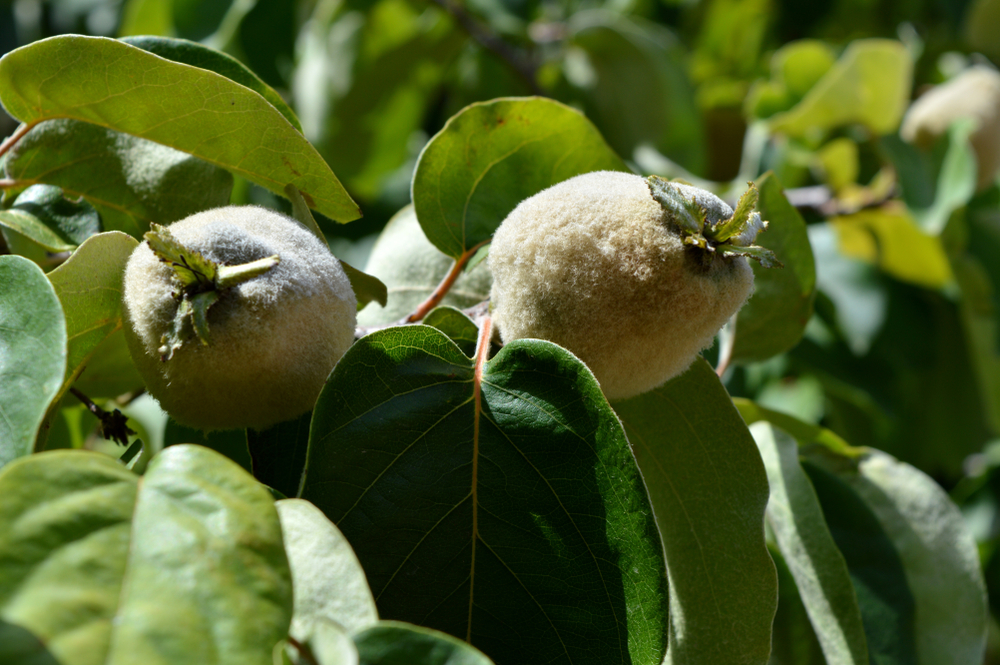
Quinces are classic pome fruits that many of us remember from our grandmothers’ kitchens. Back in the day, these bright yellow fruits were the go-to for homemade jams, jellies, and juices. Depending on what you’re planning to make, you might even want to pick them while they’re still a bit green and let them ripen slowly indoors.
Timing is Everything: Not Too Early, Not Too Late
When they’re immature, quinces are green; as they ripen, they turn a beautiful golden yellow. Usually, they start making that color shift around early to mid-October. Even if they haven’t fully turned yet, that’s typically the best time to harvest them. If your goal is to store them through the winter, you actually want to pick them before they are completely yellow. They’ll finish ripening just fine in storage.
But be careful: if you jump the gun and harvest way too early, the fruit will taste bland because the aromatic compounds haven’t had a chance to develop. You’ll miss out on that signature bold flavor and incredible scent. On the flip side, waiting too long isn’t great either, as it increases the risk of “flesh browning.”
You can learn more about this issue in our guide on quince tree diseases. When flesh browning hits, the starch breaks down, which ruins the flavor—not to mention those unappetizing brown spots. The “sweet spot” for harvesting is when the fruit is no longer deep green but hasn’t reached that vibrant, solid yellow yet.
The Perfect Ripening Conditions
If you’re planning to let your quinces ripen off the tree, make sure to keep the stems attached. If the stems are pulled out, the fruit tends to spoil or overripen much faster. For the best results, store your quinces in a spot that is cool, dry, and has good airflow. Lay them out in a single layer with a little bit of breathing room between each fruit—don’t stack them!
It’s also a good idea to keep them away from other types of fruit. A cool basement or a chilly pantry is usually the perfect spot. Kitchens and hallways are typically too warm, while an outdoor shed or garden house can get too cold at night. Aim for a steady temperature around 50°F (10°C). Here are a few more pro-tips to keep in mind:
- Only ripen fruits that are completely free of bruises or blemishes.
- The longer they ripen (up to a point!), the more intense the aroma becomes.
- Keep a close eye on them so they don’t become overripe.
- Once they’ve reached peak ripeness, process or cook them right away for the best flavor.