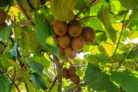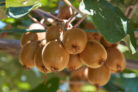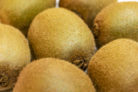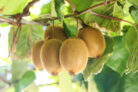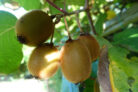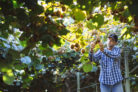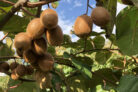
First off, the good news: thanks to global imports, kiwi season is basically 365 days a year! While they might seem exotic, you can find them at the grocery store year-round. Generally, we see fruit from the Southern Hemisphere in the spring and summer, while Southern Europe takes over during the fall and winter months.
Spring & Summer Season: Kiwis from the Southern Hemisphere
The “fresh” start to the kiwi season usually kicks off in the spring when the first shipments arrive from the Southern Hemisphere. Starting in April, you’ll see a lot of fruit coming in from Chile. By the time May or June rolls around, they’re joined by the heavy hitter of the kiwi world: New Zealand.
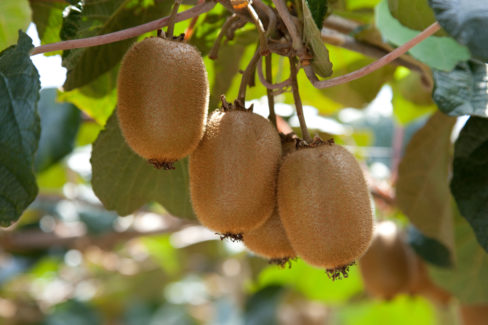
From April through October, the star of the show is the “Hayward” variety. This is your classic kiwi—fuzzy skin, green flesh, and the standard “go-to” for most of us. The scale of production in New Zealand is honestly mind-blowing. Through “Zespri,” a massive collective of about 2,000 local growers, they ship roughly 1.7 billion kiwis to over 70 countries every single year!
Fall & Winter Season: European-Grown Kiwis
Once we hit November, the peak season shifts to European growing regions, lasting all the way through March. Southern Europe—specifically Greece, Italy, Spain, and Southern France—provides the perfect environment. These areas offer the warm, sheltered spots that kiwi vines absolutely crave.
Because the winters are so mild in Southern Europe, even the more frost-sensitive varieties can thrive outdoors. They’re often harvested right around the first frost, which actually helps sweeten them up. This second half of the year is also when you’ll see more of the small, hairless varieties with super-sweet flesh. Keep an eye out for varieties like “Weiki,” “Nostino,” and “Red Sun”—these smooth-skinned, golden-yellow beauties are a delicious change of pace from the standard green kiwi.