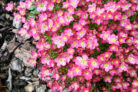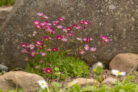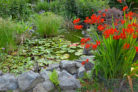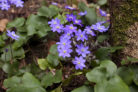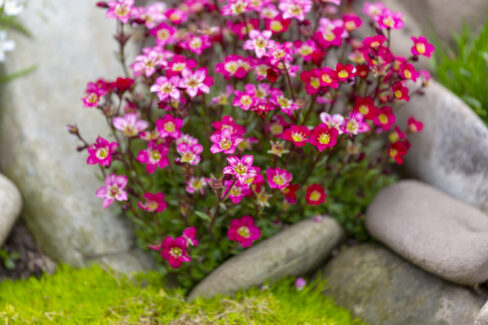
In the wild, you’ll mostly find Saxifrage (often called Rockfoil) clinging to mountainsides and tucked into rocky crevices. These tough little plants are experts at thriving in spots where other flowers wouldn’t stand a chance. Luckily for us, they’re just as happy in our backyards! With so many different *Saxifraga* species out there, you’re bound to find the perfect spot for one in your garden.
Ways to Grow Saxifrage in Your Garden
Most Saxifrage varieties are fantastic for adding a splash of green to your outdoor space. Some of the most popular ways to grow them include:
- Tucked into rock gardens
- Softening the edges of stone walls
- Growing in decorative pots and containers
Choosing the Right Spot
When it comes to picking a location, Saxifrage is pretty easygoing. It can handle a variety of settings, but there are a few things to keep in mind to help it really thrive.
Aim for Partial Shade
Light preferences can vary depending on the specific variety you choose. Some love the shade, while others can handle direct sun just fine. However, if you want to play it safe, a spot with partial shade is usually a “sweet spot” that works for almost every type of Saxifrage.
Soil Conditions
You don’t need to get too fancy with the soil, but Saxifrage does best in loose, nutrient-rich, and well-draining humic soil. If your soil is a bit too acidic, try adding a little lime. If you’re dealing with heavy clay or compacted dirt, mixing in some sand or gravel will help loosen things up and improve drainage.
Growing Saxifrage in Pots
If you’re short on garden space, don’t worry! Several varieties do great in pots or window boxes. Strawberry Begonia (a type of Saxifrage), for example, looks absolutely stunning trailing down from a hanging basket.
When growing in containers, the right potting mix is key. You want something airy and well-draining. I recommend using a compost-based potting soil mixed with a bit of sand or lava granules. Since nutrients wash out of pots faster, give your plants a little fertilizer every now and then. Also, plan on repotting your Saxifrage every two years or so into a slightly larger container with fresh soil.
Great Garden Companions
Because Saxifrage loves rocky areas and has pretty chill maintenance needs, it pairs beautifully with other alpine-style plants. Try planting it alongside:
- Gentian
- Sea Thrift
- Cranesbill (Hardy Geranium)
Winter Care
For the most part, Saxifrage is hardy and can stay outside all year long. Just make sure its winter home isn’t prone to major temperature swings or—most importantly—standing water. “Wet feet” in the winter is one of the few things this hardy plant can’t stand!