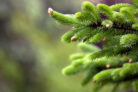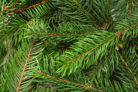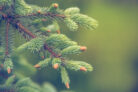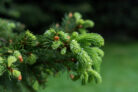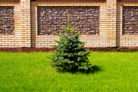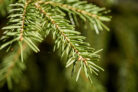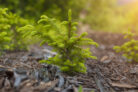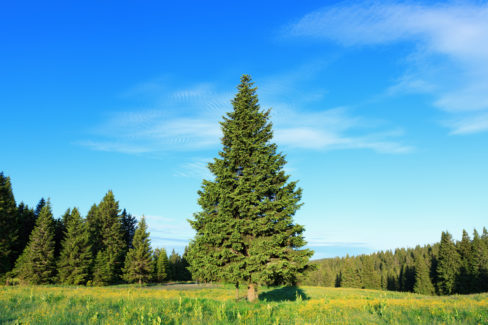
The spruce isn’t just one of the most iconic evergreens out there; it’s also incredibly hardy and low-maintenance. This makes it a fantastic choice for adding some year-round greenery to your backyard. If you give it the right spot to call home, a spruce can grow into a magnificent centerpiece and live for a very long time.
More Than Just a Forest Tree
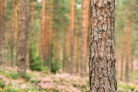
In the wild, you’ll mostly spot spruce trees in deep forests. They are incredibly important timber trees, prized for everything from firewood to high-end furniture and even musical instruments. But don’t let their “forest” reputation fool you—they’re great for home gardens, too! Since the common Norway Spruce can get massive, most gardeners opt for dwarf varieties or smaller cultivars that won’t take over the whole yard.
Ways to Grow Spruce in Your Garden
Depending on the variety you choose, there are plenty of ways to incorporate spruce into your landscape:
- As a stunning standalone specimen (solitary plant)
- As a thick, evergreen privacy hedge
- In pots and containers for your patio
- Or even as a meticulously shaped bonsai
Finding the Perfect Spot
Generally speaking, spruce trees aren’t too picky about where they live. However, if you keep a few simple things in mind, your tree will really thrive.
Sun or Part Shade?
Spruce trees love the sun, but they’re also perfectly happy in partial shade. Just try to avoid putting them in full, deep shade—they really appreciate those rays to stay healthy and vibrant.
Keep the Soil Lightly Moist
The ideal soil should be rich in nutrients. You don’t need to stress about the pH level, as spruce is pretty adaptable to most soil types. The main thing to watch is moisture: the soil should stay consistently, lightly damp.
Long dry spells are the spruce’s enemy. If the root ball dries out completely, the whole tree can die off. Plus, a thirsty, weakened spruce is like a magnet for bark beetle infestations.
On the flip side, avoid “wet feet.” Waterlogged soil or standing water can lead to root rot, which is just as damaging as a drought.
Give It Some Breathing Room
When you’re planting your spruce, make sure to leave plenty of space between the tree and your house, walls, or property lines. Remember, it’s not just the branches that grow—the root system spreads out significantly over the years. Since the spruce is a shallow-rooted tree, it can also be a bit sensitive to high winds, so keep that in mind when choosing its forever home!