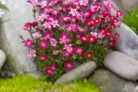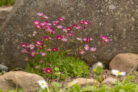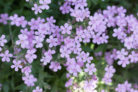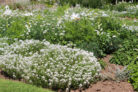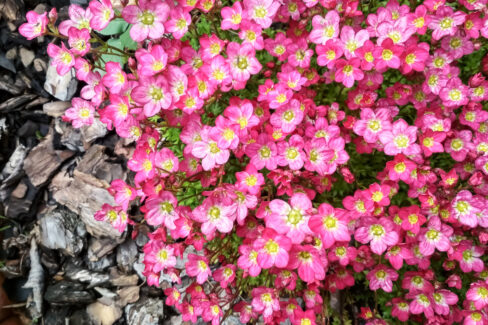
Saxifraga, commonly known as Rockfoil, is a tough little plant that you’ll usually find clinging to rocky cliffs and stony outcrops in the wild. But don’t let its rugged origins fool you—this low-growing beauty is a fantastic addition to your home garden. To make sure yours thrives, there are a few key things to keep in mind when getting started.
Ways to Grow Rockfoil
Because there are so many different varieties of Saxifraga, you have plenty of options for where to plant them. Some of the most popular ways to use them include:
- Ground cover for garden beds
- Tucking them into rock gardens or stone wall crevices
- Growing them in pots, balcony boxes, or hanging baskets for your patio.
Finding the Perfect Spot
Generally speaking, Rockfoil isn’t very picky when it comes to its location.
Partial shade is usually best
Most Saxifraga varieties do their best work in light shade. However, keep an eye on your specific variety—some are sun-worshippers that can handle full heat, while others prefer a much cooler, shadier nook.
Loose, well-draining soil
Thanks to its short, shallow root system, Rockfoil doesn’t need a ton of soil to be happy. What it *does* need is soil that is loose and drains well. If your garden has heavy clay soil, mix in some sand or fine gravel to lighten it up. If your soil is very acidic, a little lime can help. Most importantly, make sure you have good drainage to avoid standing water, which can lead to root rot.
When to Plant
Even though Rockfoil is generally winter-hardy, you don’t want to put it in the ground right before the first big freeze. Young plants need time to establish themselves before winter hits. The best time to plant is in the spring, once the ground has thawed and you’re confident the late-season night frosts have passed.
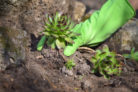
The same rule of thumb applies if you’re planning on transplanting an existing plant to a new spot.
Growing Rockfoil in Containers
Certain types of Saxifraga look stunning in pots or hanging baskets. The secret here is all in the substrate. Start by lining the bottom of your container with a layer of gravel or clay pebbles to ensure drainage. Then, fill it with a loose potting mix. A standard high-quality potting soil mixed with a bit of sand or lava granules works wonders.
Keep in mind that container-grown Rockfoil needs a bit more attention when it comes to watering and fertilizing. You’ll also want to repot it every two years or so into a slightly larger container with fresh soil to give those roots room to breathe and grow.