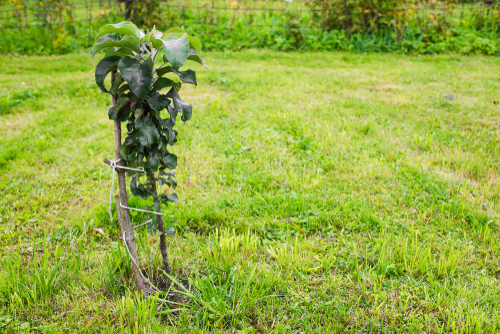
If you’re working with a small backyard or just a tiny patio, don’t think for a second that you have to miss out on the joy of homegrown fruit! Even with limited square footage, you can enjoy a bountiful harvest. Today, I’m sharing seven of the most popular dwarf fruit trees that fit perfectly in small spaces, plus a little “pro tip” for maximizing your variety.
[[pflanzen]]
++Dwarf Plum (Prunus domestica)
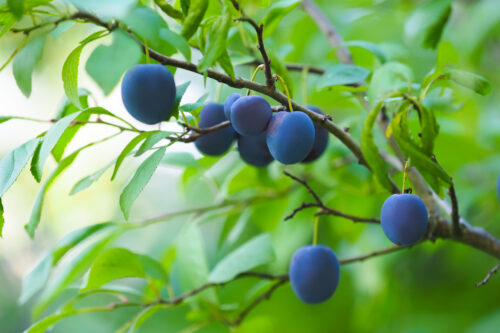
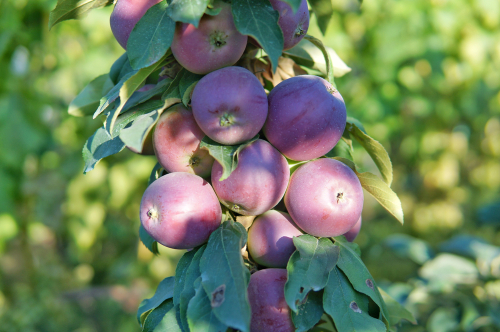
Dwarf plums are specially bred versions of the classic fruit trees we all love. They grow in a sleek, columnar shape and usually top out at around six feet tall. Most dwarf plums are self-fertile, which is a huge plus—it means you don’t need a second tree nearby for pollination to get fruit. You can look forward to snacking on those wonderfully sweet, sun-ripened plums starting in September.
++Dwarf Pear (Pyrus communis)
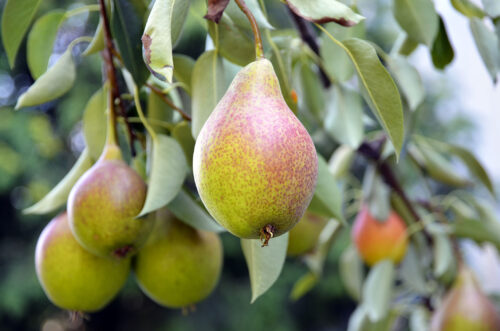
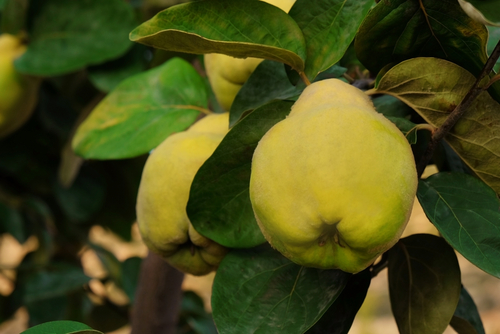
Dwarf pears aren’t just for the garden; they are perfectly happy living long-term in a large pot on your balcony. Unlike standard pear trees that spread out wide, these grow tall and slender. During the summer, they show off hardy, dark green leaves, but the real show starts in May and June when delicate, fragrant white flowers attract local pollinators. Those blooms eventually turn into large, juicy pears that practically melt in your mouth.
++Dwarf Apricot (Prunus armeniaca)
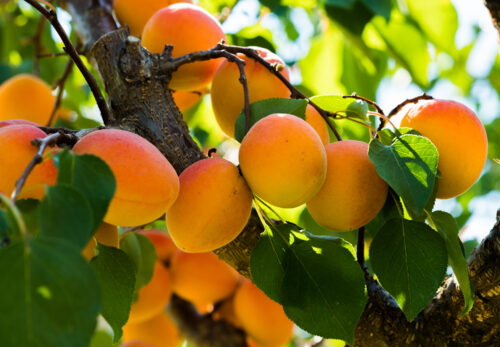
You can find dwarf apricots as either columnar trees or compact, bushy little trees. Thanks to careful breeding, these varieties are surprisingly winter-hardy. Whether they’re in a sunny garden spot or a pot on a south-facing balcony, they’ll burst into white blossoms in the spring. The fruit is incredibly aromatic and sweet—there’s really nothing like eating an apricot right off the branch!
++Dwarf Nectarine (Prunus persica var. nucipersica)
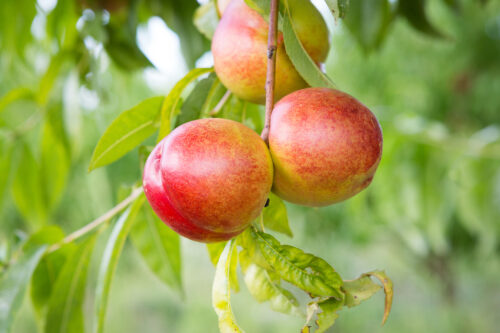
These little guys are total sun-worshippers. To get a good harvest, make sure your dwarf nectarine is in a warm, sunny spot protected from harsh winds. Because they grow in a tight, columnar shape, they’re a great fit for patio containers. In the spring, before the long leaves even fully appear, the tree gets covered in stunning pink blossoms. By September, you’ll be rewarded with juicy, sweet nectarines.
++Dwarf Apple (Malus)
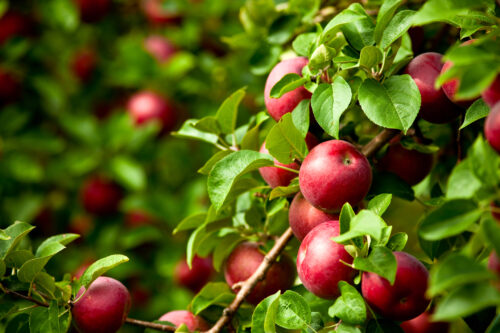
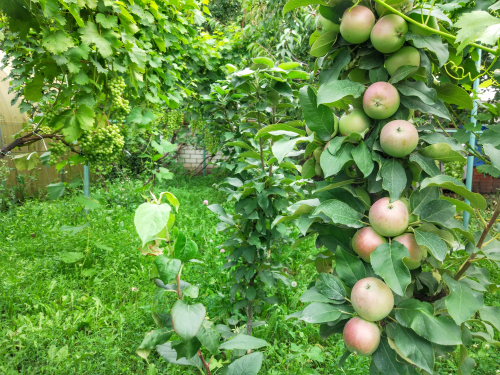
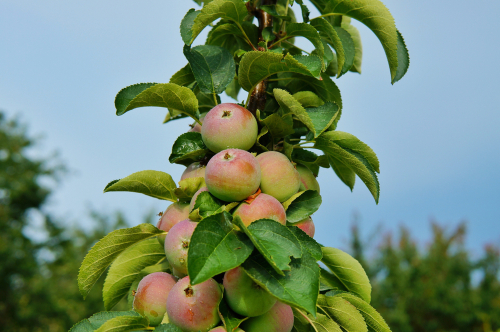
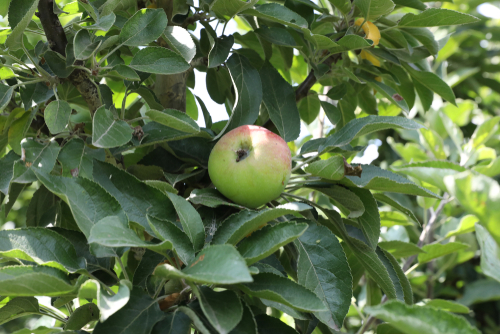
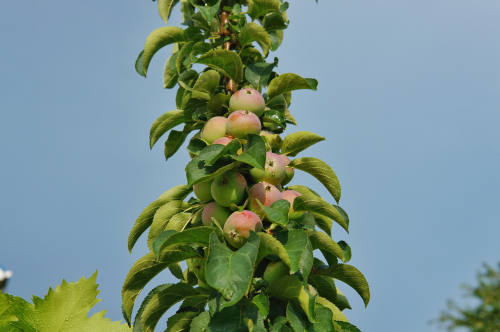
Apples are a backyard staple, but here’s a quick tip: most apple varieties need a “buddy” (a second variety) for pollination. If you can, try to plant two different dwarf apple trees to ensure a big harvest. Pick a sunny, airy spot so the leaves dry quickly after rain—this helps keep fungal diseases away. Their slim profile makes them excellent candidates for container gardening.
++Dwarf Cherry (Prunus avium)
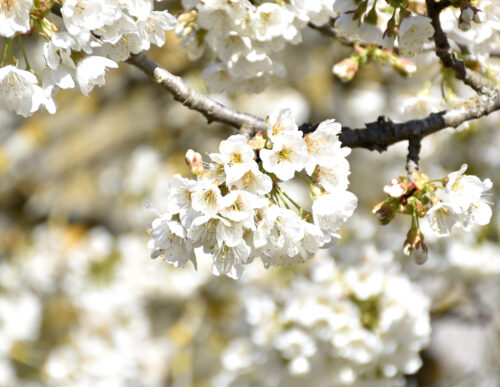
Dwarf cherries aren’t exactly a new trend; they’ve actually been cultivated for centuries! These trees stay narrow and usually don’t grow taller than about nine or ten feet. While many are self-fertile, they’ll actually produce a much bigger crop if there’s another cherry tree nearby to cross-pollinate with. They look fantastic in large pots and add a classic touch to any small space.
++Dwarf Peach (Prunus persica)
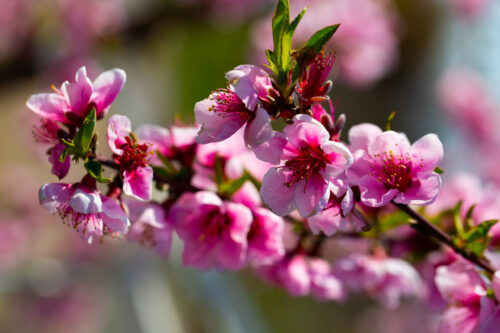
Originally from China, these beautiful little trees offer a lovely Mediterranean vibe with their glossy dark green leaves and bright pink spring flowers. Since peaches can be a bit sensitive to frost, give them a warm, sheltered home. They make a gorgeous focal point on a terrace, and the delicious, fuzzy fruit you get in the fall is the best “thank you” a plant can give!
%%The Secret Weapon: Multi-Fruit “Duo” Trees
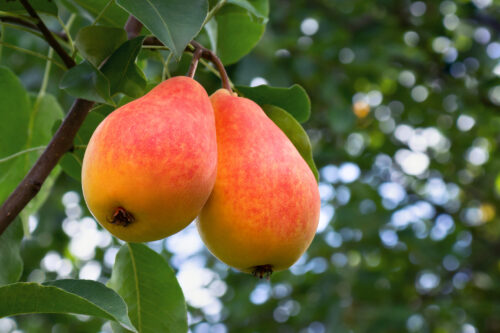
If you’re really tight on space but want variety, “Duo” fruit trees are a total game-changer. These are trees where two different varieties are grafted onto a single sturdy, disease-resistant rootstock. Often, growers choose two varieties that naturally pollinate each other, solving the “buddy” problem in one single pot! They thrive in gardens or large containers on a sunny, sheltered patio. It’s the ultimate way to get a double harvest from a single footprint.