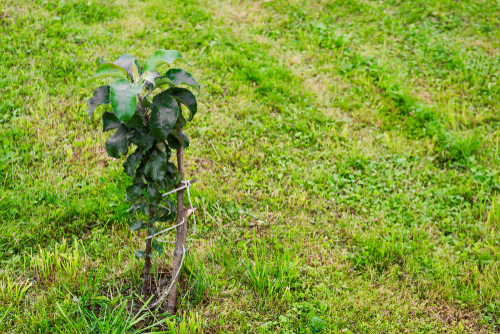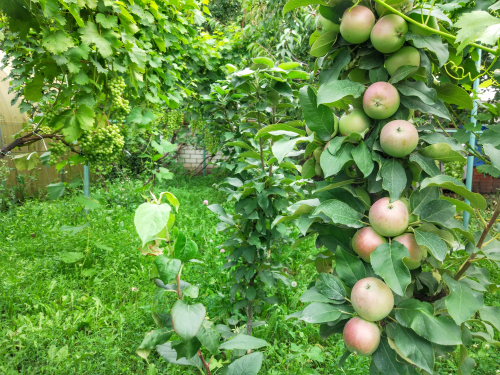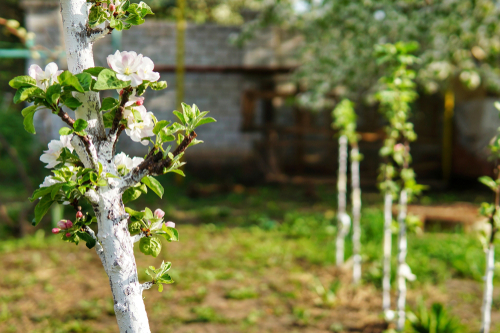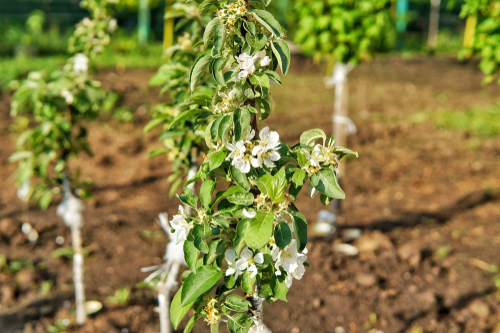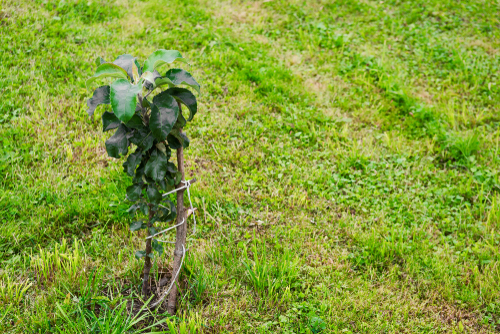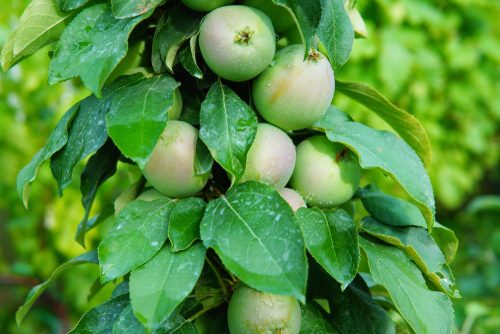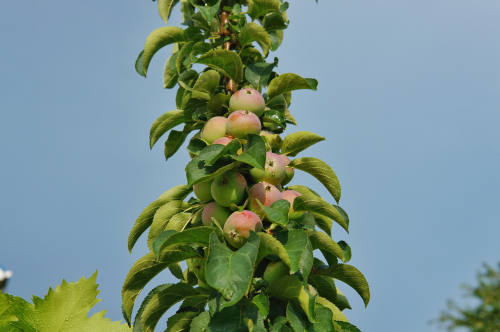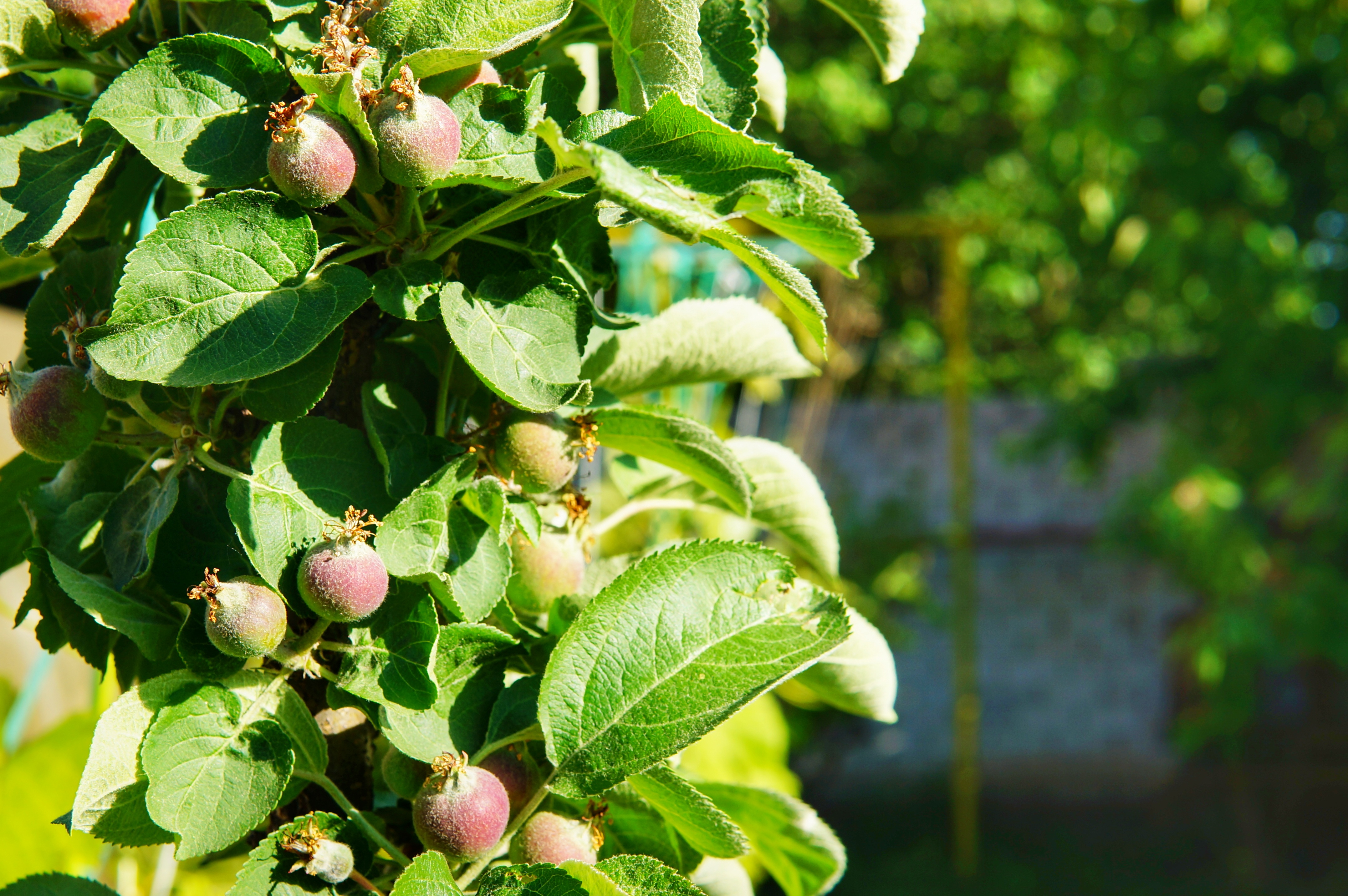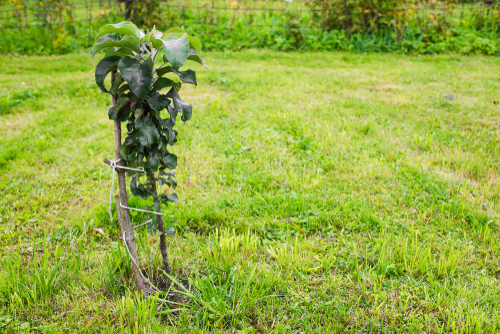
A columnar growth habit isn’t always a “gift from nature.” For most fruit varieties, you actually have to encourage that slim shape through specific pruning techniques. But trust me, the effort is totally worth it! If you’re wondering when to get these vertical beauties into the ground, you’ve come to the right place.
Avoid Planting Fruit Trees in the Heat of Summer
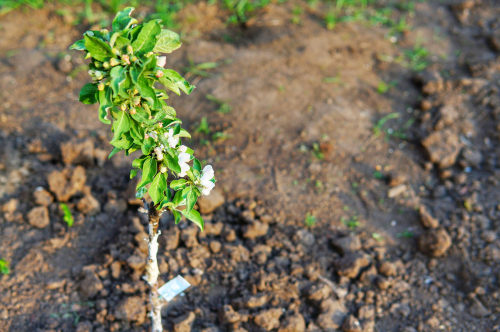
In many ways, columnar fruit trees are just like their “standard” cousins. After a few years of growth, they are grafted and eventually sold as bare-root plants for your garden. Here’s a pro tip: never plant bare-root trees in the middle of a scorching summer. They dry out way too fast. Instead, I recommend planting your columnar fruit during the dormant winter months—anytime between November and March is your sweet spot.
During this window, the trees are in their “sap rest” phase. Just make sure to pick a day when the ground isn’t frozen. Even in winter, the little tree will start establishing its roots, meaning by the time spring rolls around, it’s already settled in. This allows the plant to pour all its energy into growing leaves, blossoms, and—most importantly—delicious fruit.
Container-Grown Trees Are the Exception
While bare-root trees are winter fans, container-grown plants (trees that come in a plastic pot with soil) can technically be planted year-round. That said, I’d still steer clear of the hottest, driest days of the year. Why put your new tree through that kind of stress? When you do plant, make sure the root ball stays intact as it moves to its new location. To give your potted transplant the best start, try these steps:
- Set up a sunshade or umbrella so the tree isn’t immediately baked by the midday sun.
- Give it a good soak and create a “watering ring” (a small soil mound around the base) to direct water to the roots.
- Mulch the area with bark to keep that moisture locked in.
Columnar Fruit in Containers
If you’re growing your columnar fruit in pots, keep in mind that they’ll need a fresh start about every five years. Eventually, the nutrients in the soil get tapped out, and the substrate needs to be replaced. I find that autumn is the best time for repotting; it gives the roots plenty of time to recover and settle into their new home before the winter chill sets in.