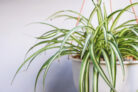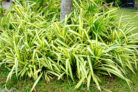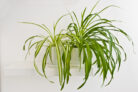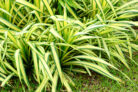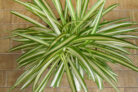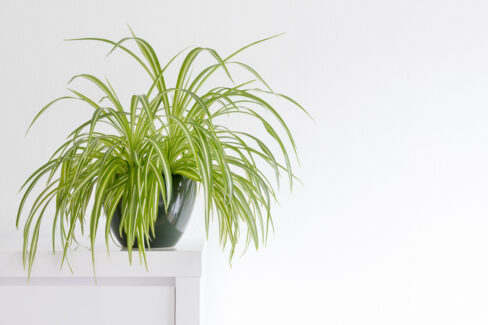
Spider plants are a staple in just about every indoor garden, and for good reason! They’re gorgeous, super easy to care for, and generally very hardy. But if you start noticing brown leaves, your plant is trying to tell you it’s not feeling its best. Don’t worry, though—it’s usually a quick fix if you know what to look for.
Why are the leaves turning brown?
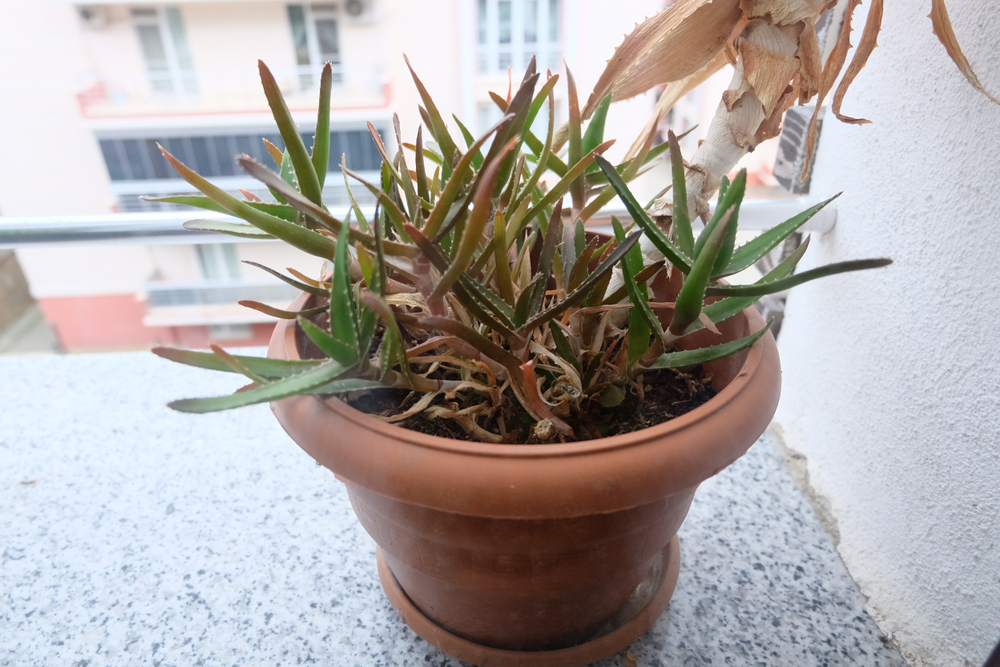
The most common culprit behind those pesky brown tips or spots is direct sunlight. Think of it as a sunburn; too much harsh light can make your vibrant plant look weak and sickly pretty fast. If you’re moving your spider plant to a new spot, take it slow so it can acclimate to the light. Another common cause? Thirst. If the soil stays dry for too long, those leaves will start to crisp up.
Getting the care just right
Finding the perfect “home” for your spider plant is half the battle. Here’s a pro tip: the more variegated (colorful) the leaves are, the more light the plant needs. Solid green varieties are actually quite happy in partial shade. Aim for a room temperature around 70°F to keep them comfortable. When it comes to watering, twice a week is usually the sweet spot, though you can scale back to once a week in the winter. These plants have thick roots that store water well, but be careful not to overdo it—they hate “wet feet,” and standing water can lead to root rot.
How to fix brown leaves
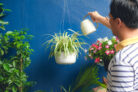
If you see browning, your first move should be finding a shadier location. You want a spot that’s bright but protected from those harsh, direct rays. Next, check your watering schedule. You never want the root ball to dry out completely. To give your plant a little extra love, try misting the leaves regularly or even giving it a quick “shower” in the sink. You’ll see those brown spots disappear in no time!
What about yellow leaves?
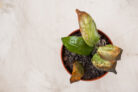
Sometimes you might run into yellow leaves instead of brown ones. Usually, this is just your plant’s way of saying it’s too dark and it wants to move closer to a window. However, if the light seems fine, keep an eye out for pests like aphids or scale. If you find any unwanted visitors, a thorough wash and some Neem oil should do the trick.
Spider Plant Troubleshooting Checklist
- Brown leaves are often caused by too much direct sun (sunburn).
- Check the soil; a dried-out root ball is another common cause for browning.
- Location is key: aim for a bright spot with consistent, moderate temperatures.
- Water about twice a week, but don’t let it sit in soggy soil.
- Give your plant a humidity boost by misting it regularly.
- Yellow leaves are usually a sign that the plant needs more light or a quick check for pests.