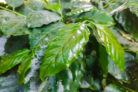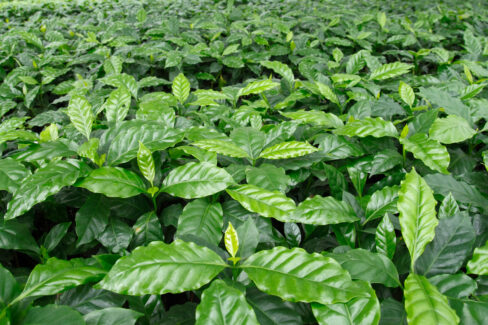
The coffee plant is actually pretty forgiving when it comes to a few hiccups in its care routine. However, when it’s unhappy, it’ll definitely let you know through its foliage. One of the most common signs of trouble is the appearance of brown spots, which can stem from a few different issues.
Sunburn
If you notice irregular brown patches appearing right after you’ve moved your plant from its winter spot to the great outdoors, you’re likely looking at sunburn. These spots can spread until entire leaves turn brown and drop off. This happens because the plant hasn’t had a chance to build up its natural “sunscreen” against UV rays. Inside during the winter, the sun usually isn’t hitting the leaves directly, so the plant lets its guard down.
To avoid these crispy spots, you need to “harden off” your coffee plant. About a week before you plan to move it outside for good, start placing it in a shady spot outdoors during the day. By the end of the week, it should be ready to handle a few hours of direct sunlight at a time.
Lack of Light
Coffee plants are sun-seekers at heart. Finding the right light can be especially tricky in its winter quarters, where things tend to get a bit gloomy. If your plant isn’t getting enough light, it will react by developing brown spots on its leaves.
If you don’t have a bright enough window to keep your coffee plant happy during the winter months, don’t worry—you can bridge the gap with a grow light. Just make sure it stays on for at least nine hours a day to mimic a natural sunny cycle.
Pest Infestations
For the most part, coffee plants are tough cookies when it comes to pests and diseases. However, during the winter, sneaky hitchhikers like mealybugs or scale insects can sometimes move in. These pests pierce the plant’s surface to drink the sap, causing localized brown spots that can eventually lead to the death of the entire leaf.
Keep a close eye on your plants during the winter to catch any pests early. It’s also a good idea to inspect any new plants you bring home. It’s surprisingly common for pests to hitch a ride from the nursery! I always recommend keeping new plants in “quarantine” away from your other houseplants for the first few weeks to make sure they’re clean.
Care Mistakes
Sometimes, those brown spots are just a sign of a little human error—usually involving the watering can. Both underwatering and overwatering can lead to browning leaves.
The trick is to water consistently but moderately. Get into the habit of doing a “finger test”—stick your finger into the soil to check the moisture level before you pour. This simple step is the best way to prevent brown spots caused by bone-dry soil or the dreaded root rot from standing water.