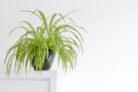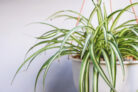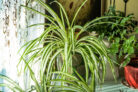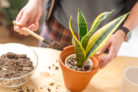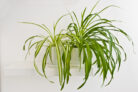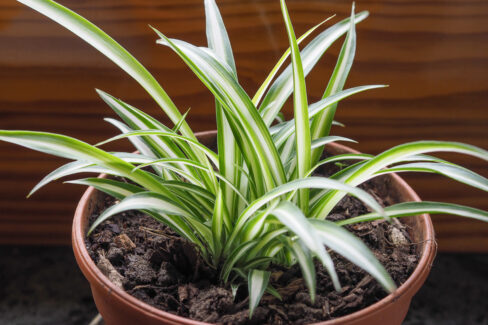
The Spider Plant is legendary for being one of the most easy-going, decorative houseplants out there. It’s super low-maintenance and can thrive even if you’re a bit forgetful with your plant chores. If you want to make things even easier, growing them in hydroponics (hydroculture) is a fantastic option. However, there are a few “pro tips” you should know to get it right.
Can Spider Plants Handle Hydroculture?
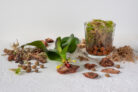
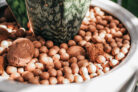
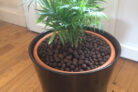
Unlike traditional potting soil, a hydroculture setup doesn’t contain organic matter to feed your plant. Instead, it usually uses those little clay pebbles (LECA) to give the roots something to grip onto. Since the pebbles don’t have nutrients, you’ll need to provide everything the plant needs through your water and a specialized fertilizer. The good news? Spider plants are actually excellent candidates for this soil-free lifestyle.
One quick heads-up: switching an established plant from soil to hydroculture is surprisingly tricky. It’s best to decide how you want to grow your Spider Plant right from the start. Trying to convert a mature potted plant often leads to failure. However, starting fresh with young plants or rooted babies (spiderettes) works like a charm!
Hydroculture – What You Need to Know
When you ditch the soil, you become the primary provider for your plant’s nutrition. Since there’s no nutrient-rich dirt to fall back on, you’ll want to add a bit of liquid fertilizer every time you water. Look for fertilizers specifically designed for hydroponics. These fertilizers don’t just feed the plant; they also help manage things like lime buildup from your tap water.
Getting the Water Level Just Right
Most of us “plant parents” tend to kill our green friends with too much love (and too much water). The great thing about hydroculture is that the containers usually come with a water level indicator. Use it! Only add water when the reservoir is actually empty, and then fill it back up to the appropriate level. Keeping the water level too high for too long means soggy roots, which can lead to rot—a major enemy of the Spider Plant. If you notice mushy, brown roots, trim them off immediately and repot the plant in fresh pebbles.
Spider Plants in Hydroculture: Your Quick Checklist
- Growing Spider Plants in hydroculture is totally doable and very rewarding.
- It works best with young plants or new babies/offsets.
- Avoid trying to move a mature plant from soil to hydro; it rarely ends well.
- Success depends on consistent nutrients via water and specialized fertilizer.
- Keep a close eye on that water level indicator.
- Watch out for root rot! Soggy roots are the biggest threat to your plant’s health.