If you’re looking to add some serious height and drama to your garden, tall perennials are the way to go. These beauties don’t just reach for the sky; they’re also low-maintenance and come back year after year to keep your backyard looking lush.
[[pflanzen]]
++Joe-Pye Weed (Eupatorium)
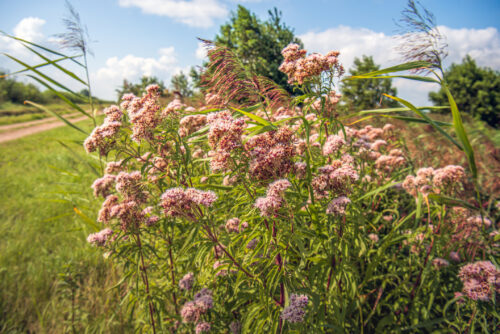
You won’t be the only one enjoying Joe-Pye Weed. Starting in July, this plant becomes a total hotspot for bees and gorgeous butterflies. Since it stays in bloom until September, it provides a long-lasting food source for all those helpful pollinators. It can easily reach over six feet tall and thrives in a partially shaded spot. If you decide to plant it in full sun, just make sure you keep it well-watered!
++Giant Rhubarb (Gunnera manicata)
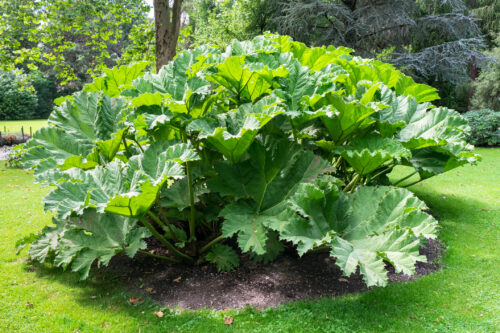
This perennial doesn’t just grow tall—it grows massive. It can reach heights of up to 11 feet and features some seriously impressive foliage. You’ll want to pick a spot with partial shade so the leaves don’t get scorched by the sun. It also loves nutrient-rich, moist soil. As long as it’s in the right spot, it’s actually pretty easy to care for, though you will want to give it some extra protection during the winter frost.
++Meadow Rue (Thalictrum)
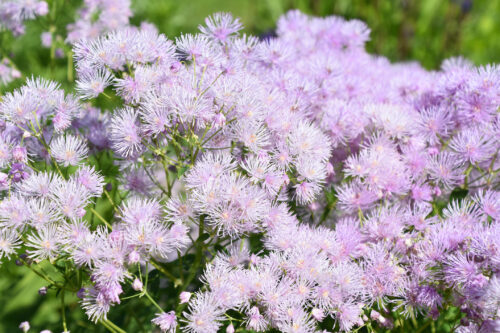
Meadow Rue stands tall at nearly seven feet. When it blooms in July, it produces delicate, subtly colored flowers that are a huge hit with local bees. This perennial prefers a spot with filtered sunlight or partial shade. It’s also a heavy feeder, so make sure to plant it in nutrient-rich soil or add some compost to the area to keep it happy.
++Chinese Silver Grass (Miscanthus sinensis)
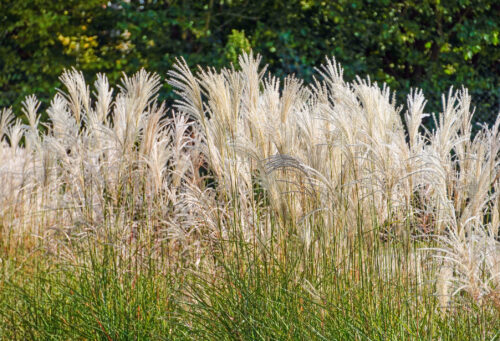
Ornamental grasses are often treated as perennials in the garden, and Chinese Silver Grass is a fan favorite because of its height and elegant look. It can grow up to ten feet tall, is super easy to care for, and isn’t too picky about soil types. The beautiful, feathery plumes look great and planting them in a row makes for a fantastic natural privacy screen.
++Globe Thistle (Echinops)
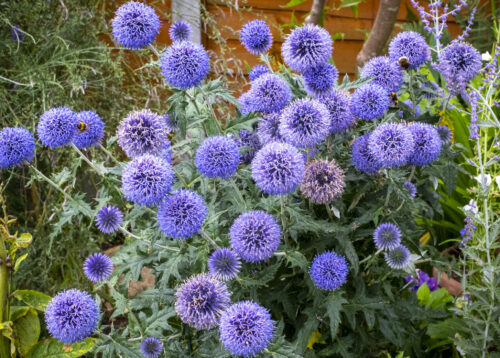
Globe Thistles grow to about four feet tall and are real showstoppers. They feature cool silvery leaves and perfectly round, golf-ball-sized flowers in shades of blue or violet. Because the color is so striking, you can spot them from across the yard! Give these guys a sunny spot with well-draining soil—they definitely don’t like having “wet feet” (soggy roots).
++Bugbane / Snakeroot (Cimicifuga)
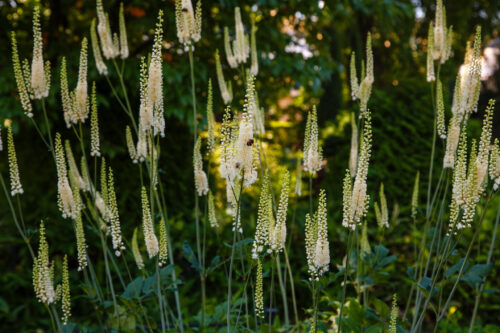
Bugbane can reach nearly seven feet tall, usually hitting its peak height in the fall. To get it that big, you need the right conditions: it loves moisture. To keep the soil from drying out, it’s a good idea to mulch around the base or use groundcover plants nearby. It also performs best in rich, humic soil packed with nutrients.
++Perennial Sunflower (Helianthus microcephalus)
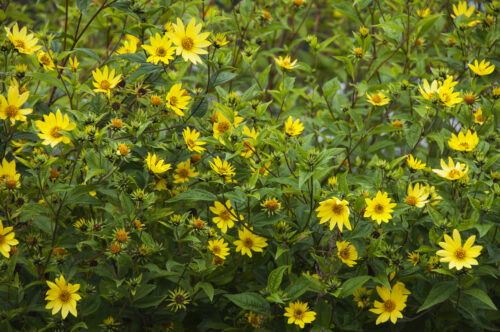
If you’re looking for a tall plant with bold, bright pops of color, the perennial sunflower is your best bet. It grows up to six feet tall and produces plenty of flowers that are perfect for cutting and making indoor bouquets. Just find a sunny spot with well-draining soil, and it’ll be good to go.
++Garden Angelica (Angelica archangelica)