Believe it or not, experts say there are over 10,000 different tomato varieties out there to tempt our taste buds. To help you narrow down your garden wishlist, I’ve rounded up seven of the most popular varieties, plus a little “insider tip” from my own garden.
[[plants]]
++Black Plum (Solanum lycopersicum ‘Black Plum’)
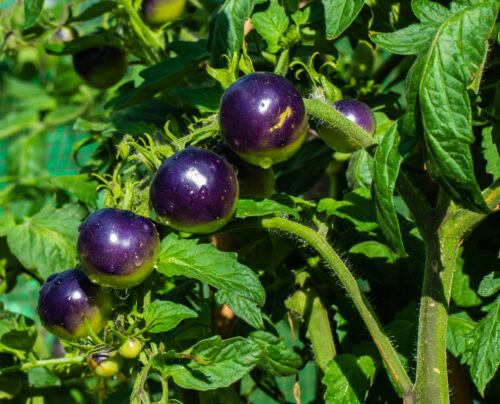
If you’re looking for a fast grower, the Black Plum is a winner—it takes just two months from pollination to harvest. This indeterminate (climbing) variety can reach heights of up to 8 feet. The oval, reddish-brown fruits have a lovely sweet and spicy kick. They usually grow to about two inches long and weigh around 2.5 ounces. These are super versatile; they’re great for snacking and salads, but they also hold up beautifully when cooked.
++Zuckertraube / Sugar Grape (Solanum lycopersicum ‘Zuckertraube’)
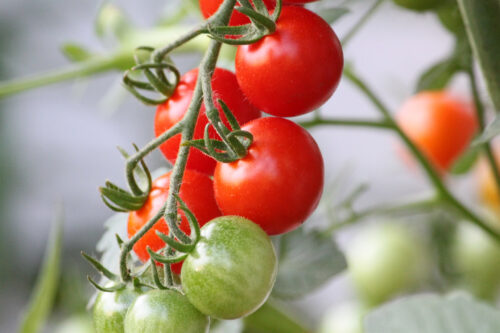
This cocktail tomato is a fan favorite for a reason: it’s hardy, disease-resistant, and doesn’t mind a little bit of a chill. It grows over 6 feet tall but stays relatively slim. Starting in July, those yellow blossoms turn into deliciously sweet, bright red fruits. Pro tip: don’t pick them too early! They need to be fully ripe to develop that signature, one-of-a-kind aroma. They’re perfect for snacking straight off the vine, but they also add a pop of flavor to salads, soups, and dips.
++Omas Beste / Grandma’s Best (Solanum lycopersicum ‘Omas Beste’)
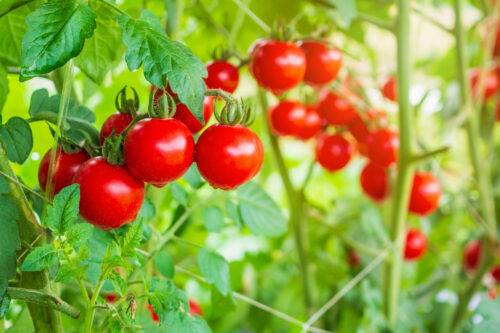
This variety is a powerhouse against late blight. Starting in mid-July, it produces wonderfully aromatic, medium-sized fruits weighing about 3 ounces. That classic, intense tomato flavor is exactly what you want for sauces or soups. “Grandma’s Best” is tough enough to grow outdoors without a rain cover, but it also does great in large pots on a balcony or patio. It hits about 5 to 6 feet tall, so make sure you give it a sturdy stake for support.
++Berner Rose (Solanum lycopersicum ‘Berner Rose’)
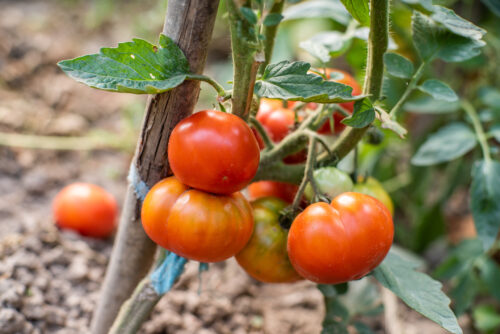
This beefsteak variety is a beloved heirloom that has stood the test of time. The thin-skinned fruits can weigh up to 7 ounces and ripen starting in August with a perfect sweet-yet-tangy balance. Because the skin is so delicate, these guys are a bit sensitive to rain, so they’re happiest in a greenhouse or under a garden eaves. Since it’s an heirloom (open-pollinated) variety, you can save the seeds to plant again next year!
++Black Cherry (Lycopersicon esculentum ‘Black Cherry’)
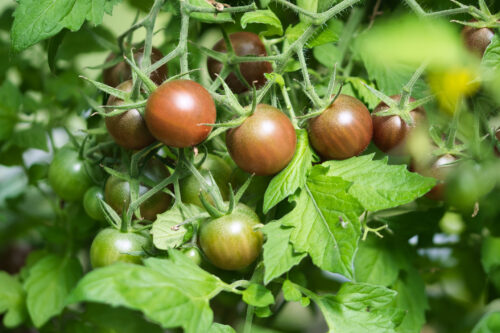
A staple in organic gardens, the Black Cherry is famous for its high yields and robust health. It produces stunning, dark purple fruits on long clusters that are the perfect bite-sized snack. They have a rich, smoky-sweet flavor that works just as well in a salad as it does in a cooked dish. Just a heads-up: they can be prone to cracking if they get too much water at once, so try to keep them under a roof or rain cover.
++Harzfeuer (Lycopersicon esculentum ‘Harzfeuer’)
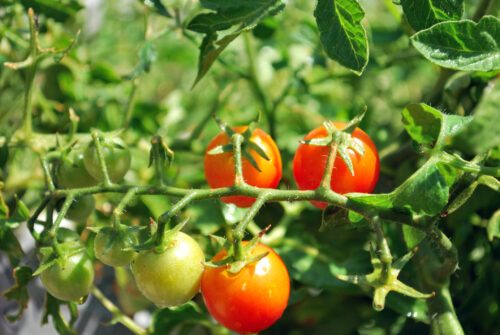
Harzfeuer is a true classic that hasn’t lost its charm over the years. It’s a relatively early variety—often ready to pick by late July—and grows to about 6 feet. You’ll get clusters of 8 to 10 deep red fruits weighing around 3 ounces each. The flesh is juicy but firm, making it the ultimate “slicing tomato” for sandwiches and salads.
++Pineapple Tomato (Lycopersicon esculentum)
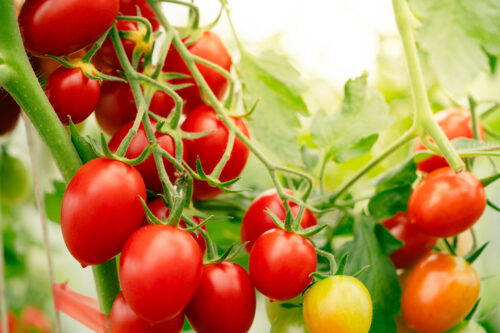
These beefsteak tomatoes come in a few different colors, but they all share that incredibly sweet, melt-in-your-mouth texture. While the plants don’t produce a ton of fruit, the ones you do get are massive—sometimes weighing up to 10 ounces! Pineapple tomatoes are late bloomers, so be patient. If you pick them just before they’re fully ripe, they actually store quite well.
%%Cuore di bue / Oxheart (Solanum lycopersicum ‘Core di bue’)
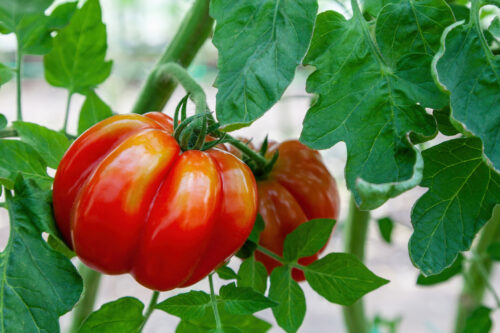
If you want a tomato that screams “Italy,” this is the one. Oxheart tomatoes are legendary for their intense flavor. The “Cuore di bue” is an heirloom variety with distinctive ribbed fruits that can weigh over a pound! Because of its rich, meaty texture, it’s the absolute best choice for a Caprese salad, though it’s also great for stuffing or making sauce. The skin is very soft and bruises easily, which is why you rarely see them in grocery stores—making them the perfect “secret” variety to grow in your own backyard.