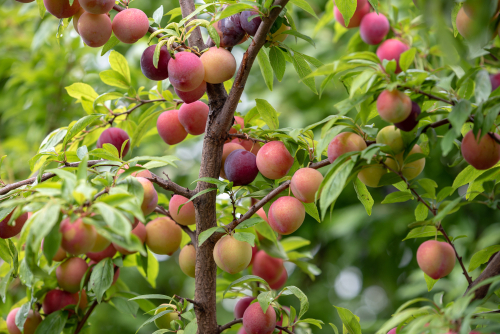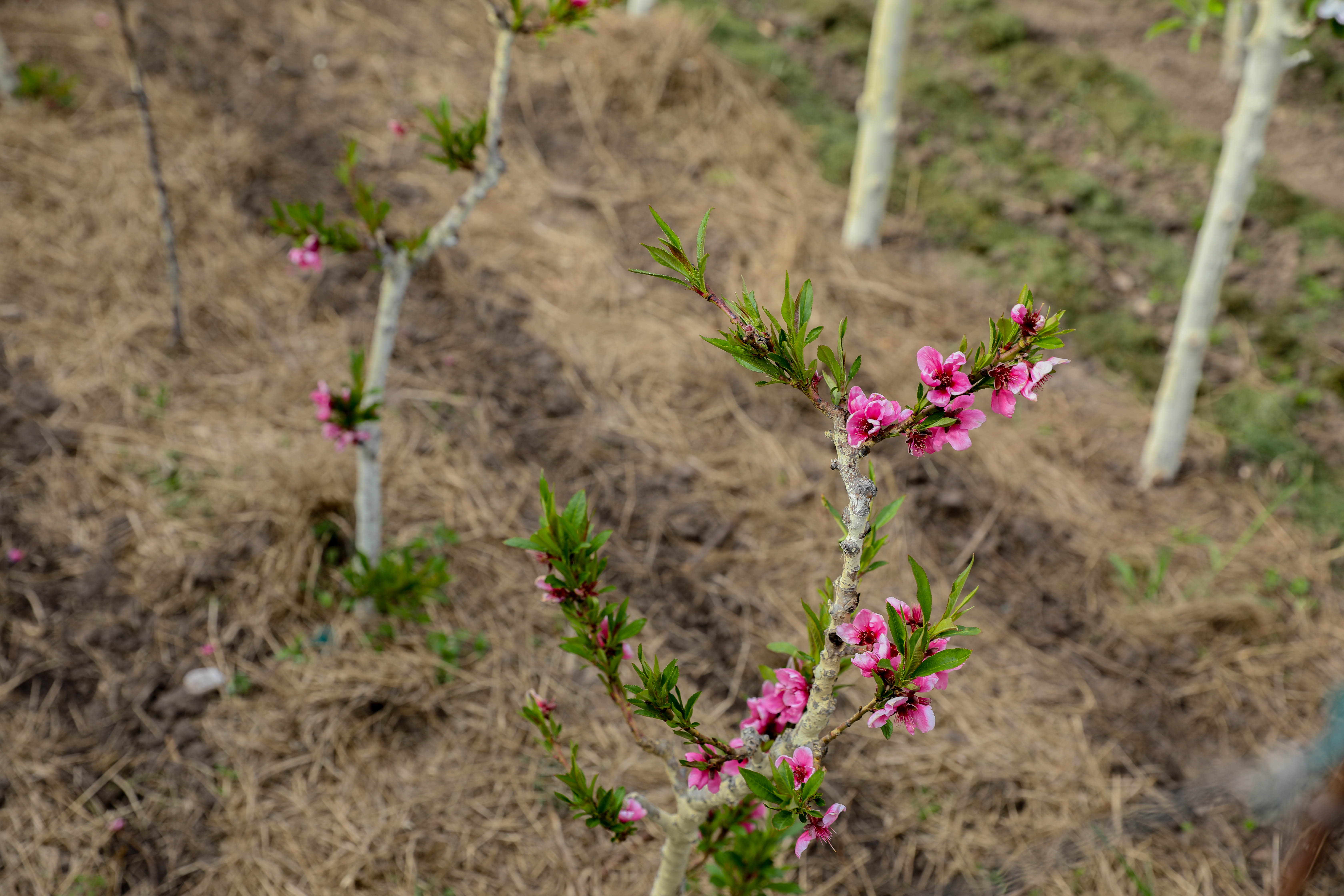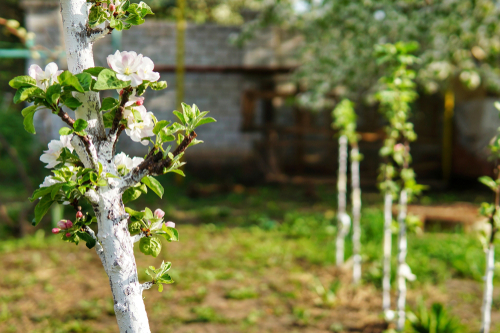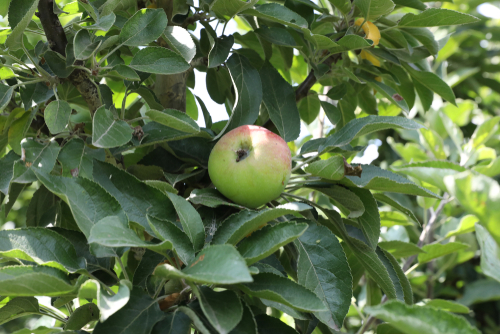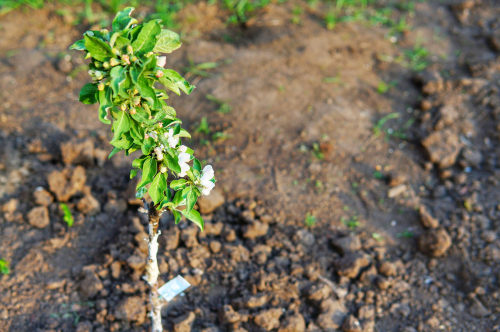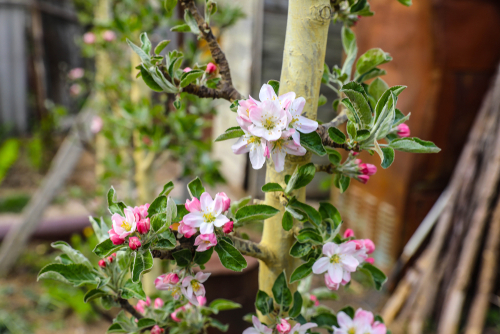
If you’re lucky enough to harvest homegrown plums right from your own backyard, you know exactly how special it is. There’s nothing quite like that sun-warmed, sweet-tart flavor, and they’re just as amazing in a homemade cobbler as they are fresh off the branch. The best part? You don’t need a massive orchard to grow them. Thanks to columnar (or “pillar”) varieties, you can enjoy these fruits even if you only have a small patio or balcony.
Growing Columnar Plums: What You Need to Know
When it comes to columnar fruit, not all trees are created equal. Different species have very different growth habits and maintenance needs. It’s important to keep in mind that a columnar plum tree still wants to reach for the sky—it will develop a sturdy, substantial trunk and can get quite tall.
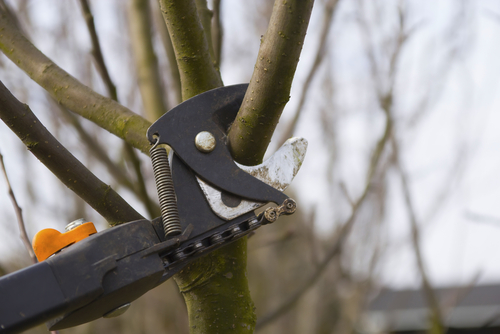
While you can technically control the height with pruning, be careful: with plums, heavy pruning usually means fewer fruits next season. Because they still have a relatively vigorous growth habit, these trees generally perform better when planted directly in the ground rather than in a pot. If you do go the container route, make sure you have a very large, heavy planter to keep things stable!
Popular Columnar Plum Varieties
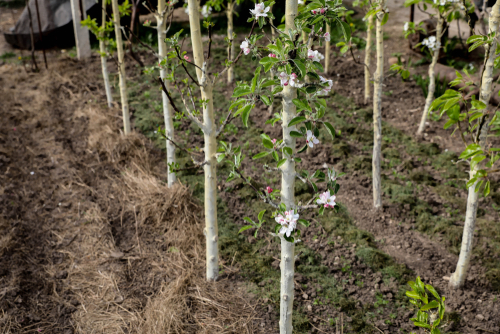
A columnar plum is essentially a standard plum variety that has been bred or selected for its narrow, upright growth habit rather than a wide, spreading canopy. If you’re looking for the best varieties to add to your garden, here are some of the top contenders:
- Prunus domestica “Anja”
- Prunus domestica “Black Amber”
- Prunus domestica “Fruca”
- Prunus domestica “Hermann”
- Prunus domestica “Imperial”
- Prunus domestica “Top”
- Prunus domestica “Pruntop”
- Prunus domestica “Top Col”
- Prunus domestica “Maja”
- Prunus domestica “Ruth”
Tips for Choosing the Right Variety
Most of these varieties share similar “happy place” requirements: they love a sunny spot with well-draining, nutrient-rich soil. They’re pretty low-maintenance overall, though they definitely don’t like having “wet feet” (standing water).
When picking your tree, think about what you want out of your harvest. Different varieties offer different fruit sizes, flavors, and yields. Timing is also key—some ripen early in the summer, while others are mid-season or late bloomers.
Pro tip: If you mix and match a few different varieties, you can stagger your harvest and enjoy fresh plums for weeks on end! And while most columnar plums are self-fertile (meaning they can produce fruit on their own), having a few different trees nearby—even other types of stone fruit—usually leads to a much bigger, better harvest.