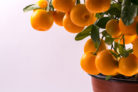
The calamondin orange is one of those rare, wonderful citrus plants that actually thrives indoors during the winter. If you’re looking to turn this exotic beauty into a stunning bonsai, you’re in the right place! Here’s my guide on how to keep your mini-orange tree happy and healthy.
Mastering the Art of Watering Your Mini-Orange
When it comes to watering your calamondin, consistency is key. These little guys prefer soft, lime-free water (rainwater is a great choice!) at room temperature. You’ll want to pour the water directly onto the root area whenever the top layer of soil feels dry to the touch.
Keep in mind that your tree won’t be as thirsty in the winter as it is during the summer heat. Be careful, though—if the roots dry out completely or sit in stagnant water, your calamondin will start dropping its leaves in protest.
Feeding Your Bonsai the Right Way
To keep those vibrant fruits coming, your calamondin needs a balanced diet. From May through August, treat it to a liquid citrus fertilizer once a week. Just mix it right into your watering can. The nitrogen and phosphorus in the fertilizer are essential for healthy growth and plenty of blossoms. Don’t stop feeding it in the winter; just scale back to about once every four weeks.
Pruning for the Perfect Shape
When it’s time for pruning your calamondin, you’ll want to find that “Goldilocks” balance. If you don’t prune enough, the tree won’t branch out nicely; if you go too heavy, you might sacrifice your flowers and fruit. Here is my go-to routine:
- After the flowering phase, let new growth develop until it has about three or four pairs of leaves before trimming.
- If the tree looks a bit unruly after winter, give it a light maintenance trim in March.
- Always thin out “water sprouts” (those straight, vertical shoots) and remove any dead branches.
Styling Your Bonsai
To get that classic bonsai look, you can use wire to shape the branches in April/May or August/September. There are a few traditional styles that work beautifully for this species:
- Moyogi: An informal, upright look that feels very natural.
- Hokidachi: The “broom” style, which creates a lovely rounded canopy.
- Shakan: A slanted or leaning style.
Just a quick tip: if you go with the Shakan (slanted) style, be careful! If your tree produces a heavy crop of fruit, the weight might make the whole pot tip over. For beginners, the Moyogi or Hokidachi styles are usually the safest and most rewarding bets.