Whether you’re looking for a delicious harvest or a splash of vibrant color for your flower beds, the Amaranth family (Amaranthaceae) has something for everyone. From kitchen staples to show-stopping ornamentals, here are some of the most popular members of this versatile plant family.
[[pflanzen]]
++Cockscomb (Celosia)
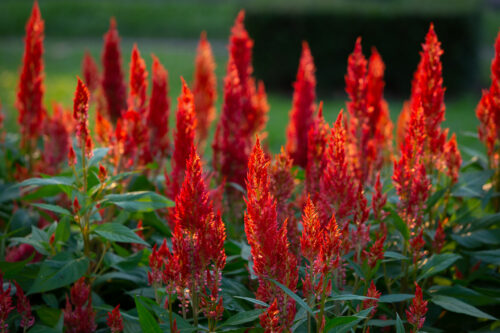
Celosia is a herbaceous member of the amaranth family that can grow upright or even take on a climbing habit. These plants feature lance-shaped leaves and striking flower spikes that come in a variety of bold colors. While they originally hail from tropical regions in Africa, many varieties have spread across the globe and are now favorites in ornamental gardens. Before you plant them, just be sure to check the specific light and water needs for the variety you’ve chosen!
++Beets (Beta vulgaris subsp. vulgaris Conditiva Group)
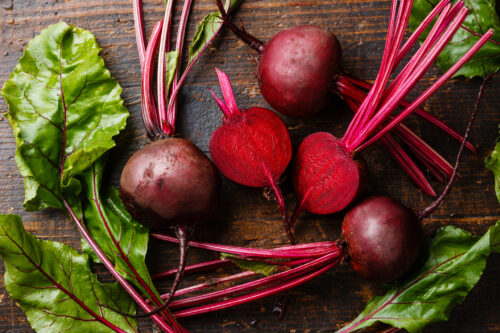
Believe it or not, beets and several other root veggies are actually part of the amaranth family. Beets are a backyard garden staple because they’re so versatile in the kitchen. Thanks to their earthy, sweet flavor, they’re often much more popular than other root crops. Plus, that intense red pigment is a fantastic natural dye—perfect for coloring pasta dough or even using in eco-friendly craft projects.
++Swiss Chard (Beta vulgaris subsp. vulgaris)
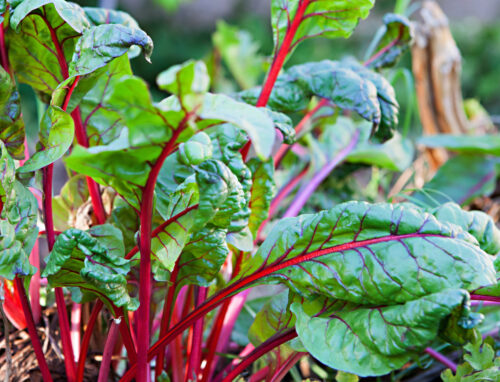
Swiss Chard is another culinary superstar in this family. With its large, glossy leaves and often colorful stems, it’s just as beautiful in the garden as it is on the plate. It grows wonderfully in traditional garden beds, but it’s also a great candidate for container gardening. Chard has become quite the “it” vegetable lately, popping up in high-end restaurants, but you can easily whip up a gourmet side dish at home with just a few simple ingredients.
++Spinach (Spinacia oleracea)
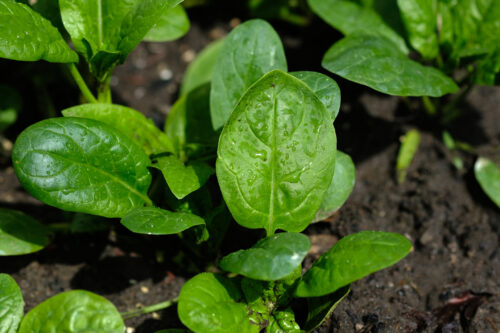
Spinach is probably the most famous edible amaranth relative. If you grow it yourself, you’ll quickly realize that fresh-picked leaves are a world away from the frozen or canned stuff. It’s perfect for fresh salads or boosting the nutrition in your morning smoothie. Spinach loves a spot with plenty of moisture, but other than that, it’s a very low-maintenance plant that won’t demand too much of your time.
++Bloodleaf (Iresine)
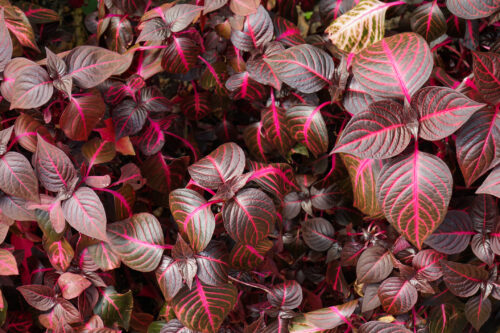
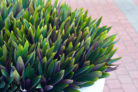
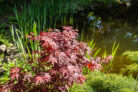
If you’re looking to fill in some space with lush foliage, Iresine is a fantastic choice. This herbaceous plant is known for being incredibly easy to care for. While its flowers are relatively small and subtle, it makes up for it with a dense carpet of stunning leaves. This makes it a popular ornamental choice for parks and home gardens alike. You can even use it as a groundcover to add a rich pop of green (or red!) to your landscape.
++Crested Celosia (Celosia cristata)
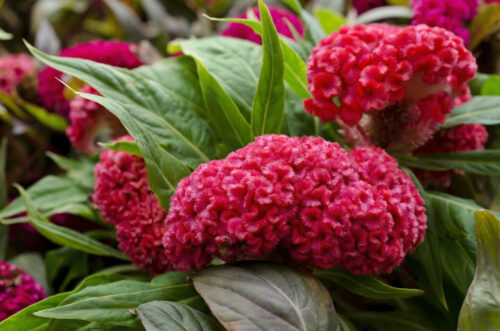
The Crested Celosia is a very popular subspecies of the standard Celosia. It’s famous for its unique, velvety flower heads that look remarkably like a rooster’s comb—which is exactly how it got its common name. Sometimes called “Silver Cockscomb,” this plant is grown all over the world. The deep red varieties are especially eye-catching and are a go-to for gardeners looking to add some texture and drama to their flower beds.
++Love-Lies-Bleeding (Amaranthus caudatus)
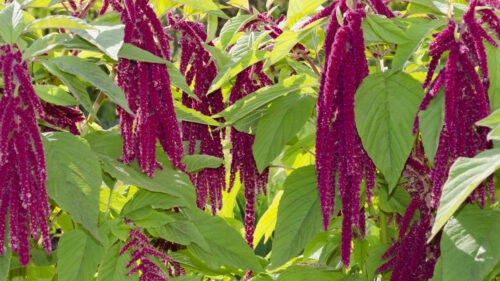
Love-Lies-Bleeding (or Garden Amaranth) offers spectacular, drooping flower tassels from June all the way through October. It’s a hardy, low-fuss plant that’s easy to grow. To really help it thrive, make sure you plant it in nutrient-rich soil. If your garden soil is a bit thin, just mix in some compost or humus before planting, and you’ll be rewarded with a stunning display all season long.