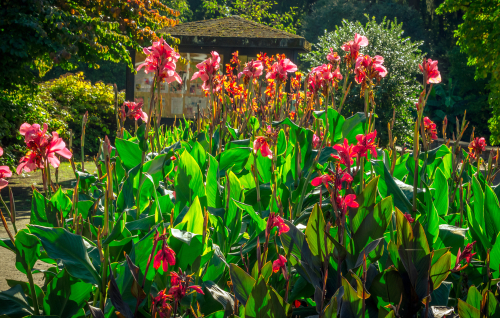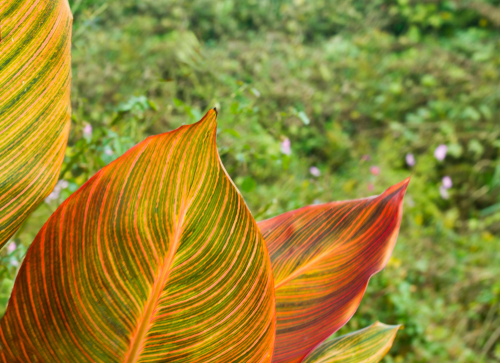
Ever since Canna lilies made their way from Central and South America to Europe back in the 16th century, the number of varieties has absolutely exploded. Honestly, if I tried to list every single cultivar here, we’d be here all day! Instead, I want to focus on the specific varieties that are most popular for home gardeners looking to add some tropical flair to their space.
Dwarf Canna Varieties
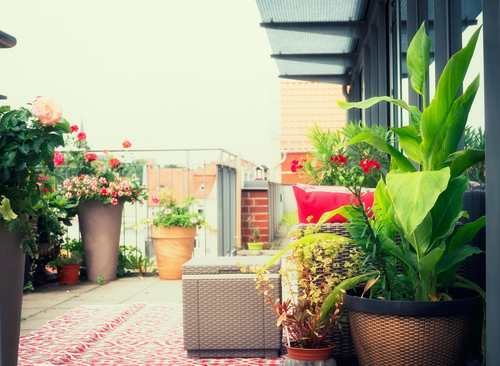
Not every plant lover has a massive backyard to work with. That’s why Cannas are such a hit for balcony gardening or container planting. If you’re working with pots, you’ll want to look for “dwarf” varieties that stay compact, usually topping out at around two feet (60 cm). Here are a few of my favorites:
- Alberich: a stunning salmon-red
- Cherry Red: exactly what it sounds like—rich and vibrant
- Perkeo: a bold, bright red
- Puck: a cheerful lemon yellow
- Cleopatra: a unique mix of red and yellow
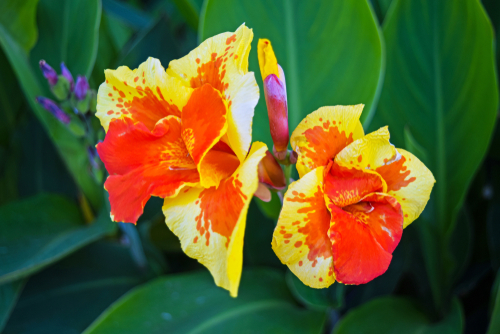
- En Avant: yellow with playful red speckles
- Lucifer: red with a striking yellow border
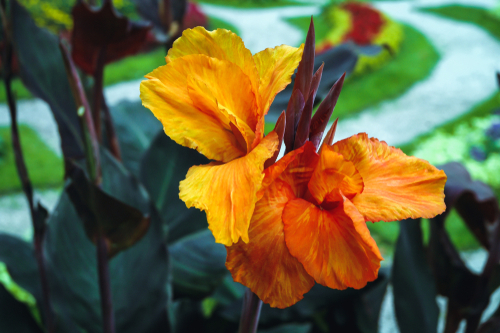
- Orange Perfection: a warm, glowing orange-yellow
Large Canna Varieties
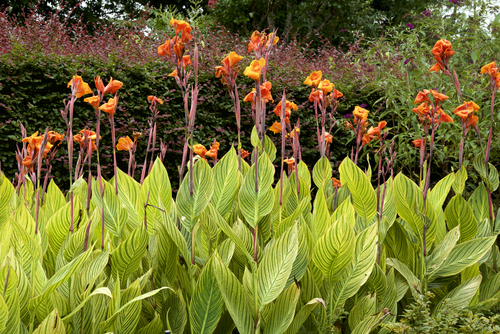
On the flip side, if you’re planting Cannas directly in your garden beds, you might want that “wow” factor that comes with height. Some of these giants can reach up to ten feet tall! Check out these heavy hitters:
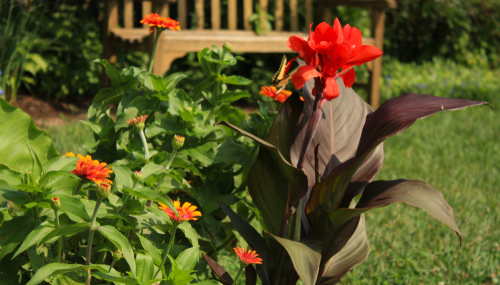
- Black Knight: gorgeous dark red to burgundy-brown foliage
- President: a classic, deep red
- Miss Oklahoma: large, beautiful pink blooms
- Marabout: a massive variety with red flowers
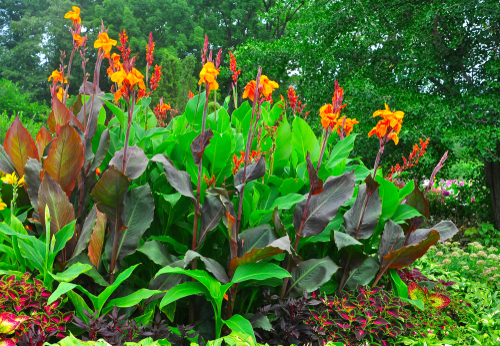
- Wyoming: bright orange flowers paired with reddish-purple leaves
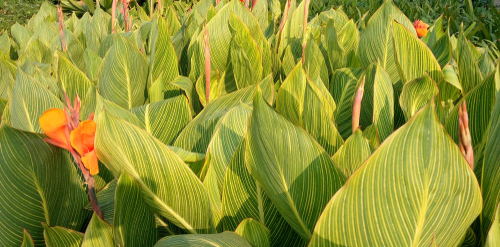
- Tropicana: famous for its orange blooms and multi-colored striped leaves
Because of their sheer size, these varieties work best in large flower beds or as a “statement piece” (solitary plant) in the middle of a spacious lawn where they have plenty of room to shine.
Pro Tip: Mixing and Matching
If you’ve got the space, why choose? You can create a stunning tiered look by combining both tall and dwarf varieties. Just plant the giants in the back and the shorter ones in the front so everyone gets their moment in the sun.
One quick reminder: don’t forget to give them breathing room! Spacing requirements vary by variety, but generally, you’ll want to keep them about 12 to 24 inches (30-60 cm) apart. This goes for spacing them against other plant species in your garden, too. Happy planting!