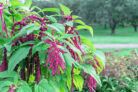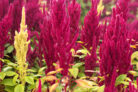
Amaranth is a total superstar in the world of “pseudo-grains,” and lots of folks grow it as a healthy alternative to traditional wheat. Plus, it looks absolutely stunning in the garden with those dramatic flower spikes—which is why you’ll often hear it called “Love-lies-bleeding” or “Tassel Flower.” But here’s the catch: not every amaranth you see is a welcome guest in the flower bed.
Amaranth as a Weed
In many gardens, Redroot Pigweed (*Amaranthus retroflexus*) is the one that tends to take over. This plant is actually a neophyte, originally native to the warmer regions of North and Central America. Just like the varieties we grow for food, Pigweed can’t survive a frosty winter. However, it’s a master of survival; its seeds can chill out in the soil for years, and a single plant can pump out thousands of seeds in one season.
Pigweed loves the same things your veggies do—warmth and plenty of sunshine—which is why it’s so fond of moving into your vegetable patches.
How to Spot the Difference
If you’re looking at a young plant that hasn’t bloomed yet, it’s almost impossible to tell a wild amaranth from a cultivated one. In the right spot, the weed can grow just as tall as the “fancy” versions. You usually won’t know what you’re dealing with until the blooms show up.
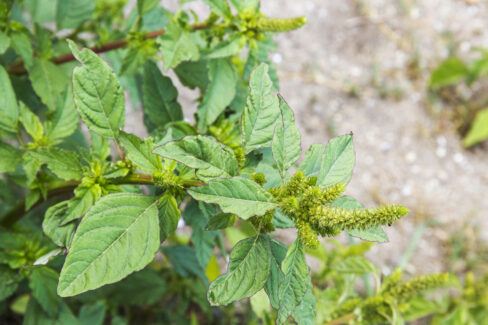
Redroot Pigweed has green, pretty unremarkable flower clusters. On the other hand, the varieties we plant on purpose usually boast vibrant, deep red flower spikes. This striking color is what earned it the nickname “Fuchsschwanz” (foxtail) in Germany, because the heavy, bushy blooms hang down just like a fox’s tail.
In contrast, the wild Pigweed keeps its flower spikes mostly upright. They only start to droop or “curve back” slightly once the seeds form, which is actually where its scientific name *retroflexus* comes from.
The Self-Seeding Struggle
Wild amaranth is one stubborn weed. Those seeds are patient; they’ll wait in the dirt for years until the temperature is just right to sprout. But fair warning: even if you plant a cultivated variety, you should expect some “volunteers” next year.
It’s nearly impossible to harvest the plant without a few seeds dropping to the ground. Those few stray seeds are all it takes to keep the cycle going. Since it’s easy to miss a sprout or two during weeding, don’t be surprised if you see amaranth—wild or otherwise—popping up in your garden year after year!