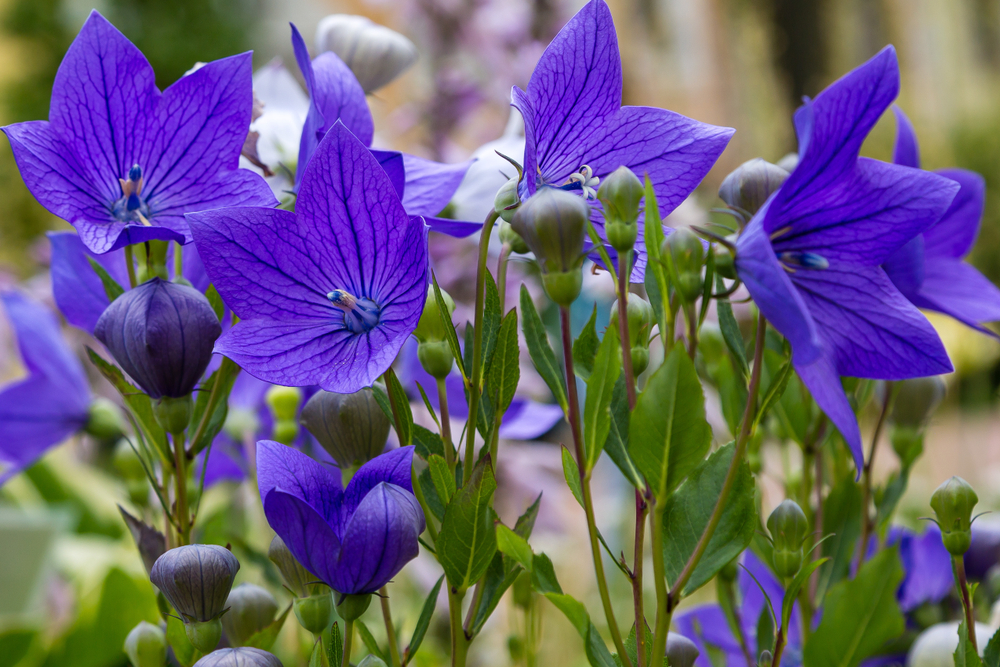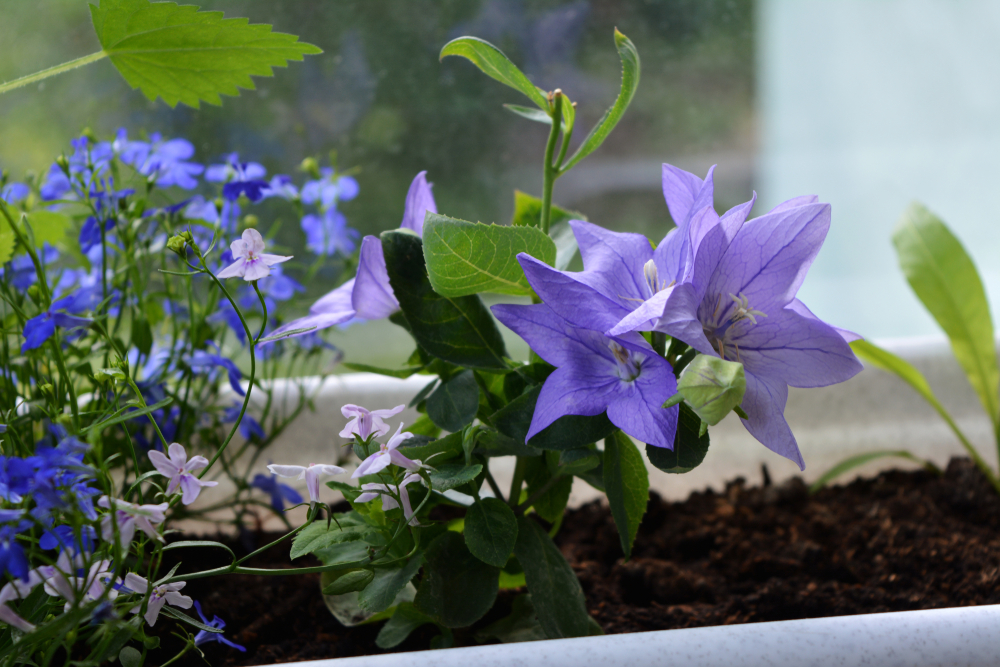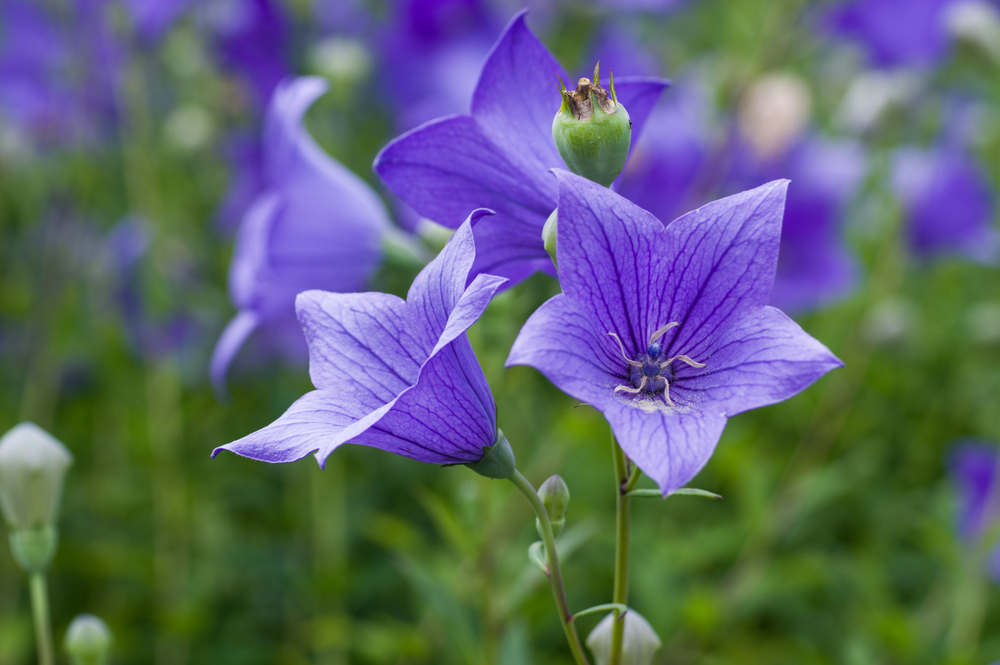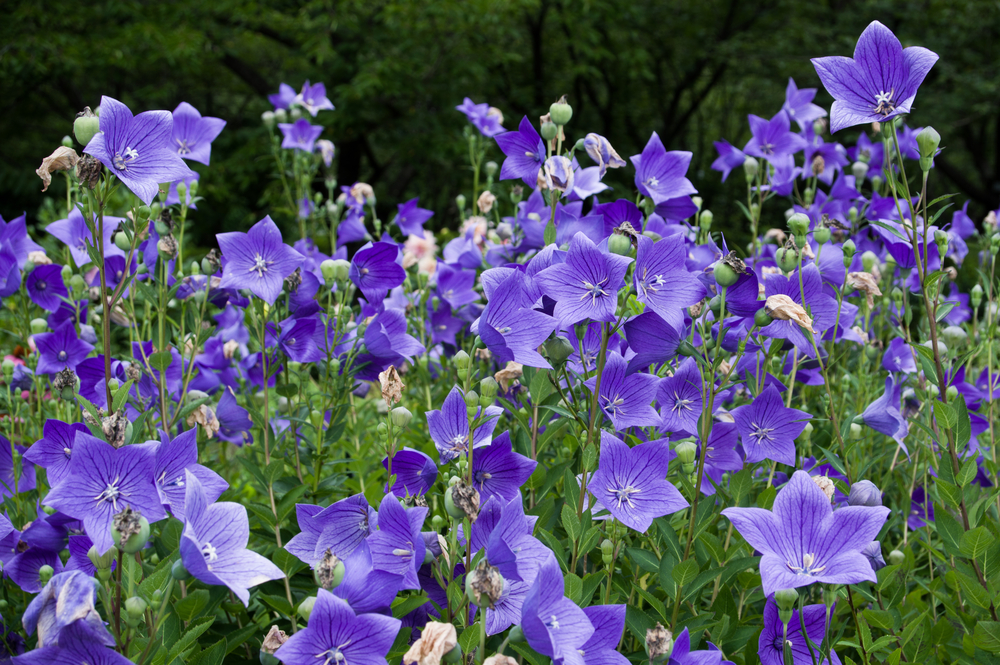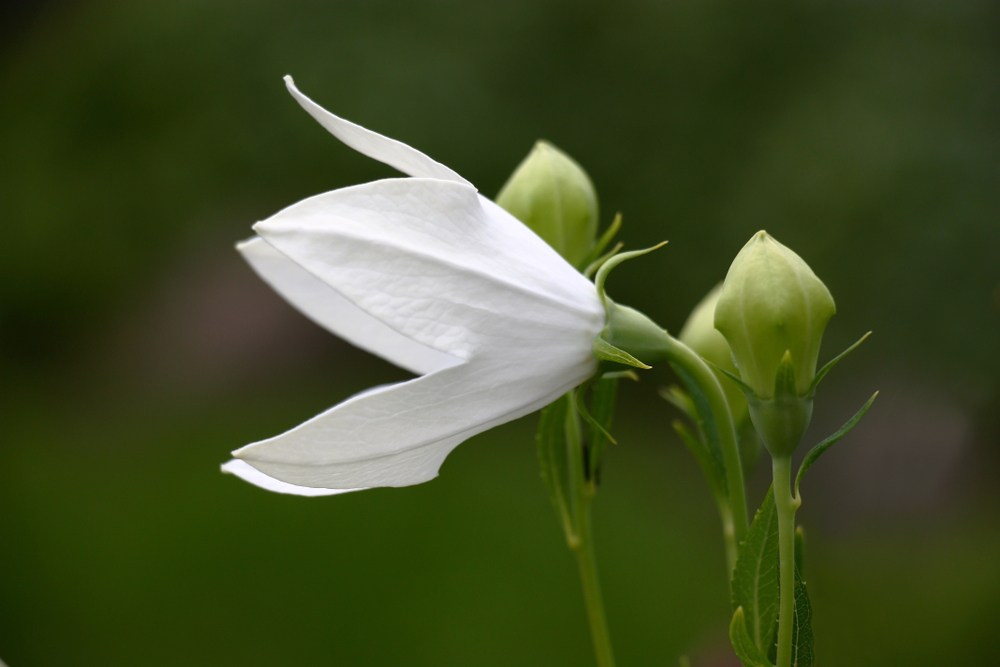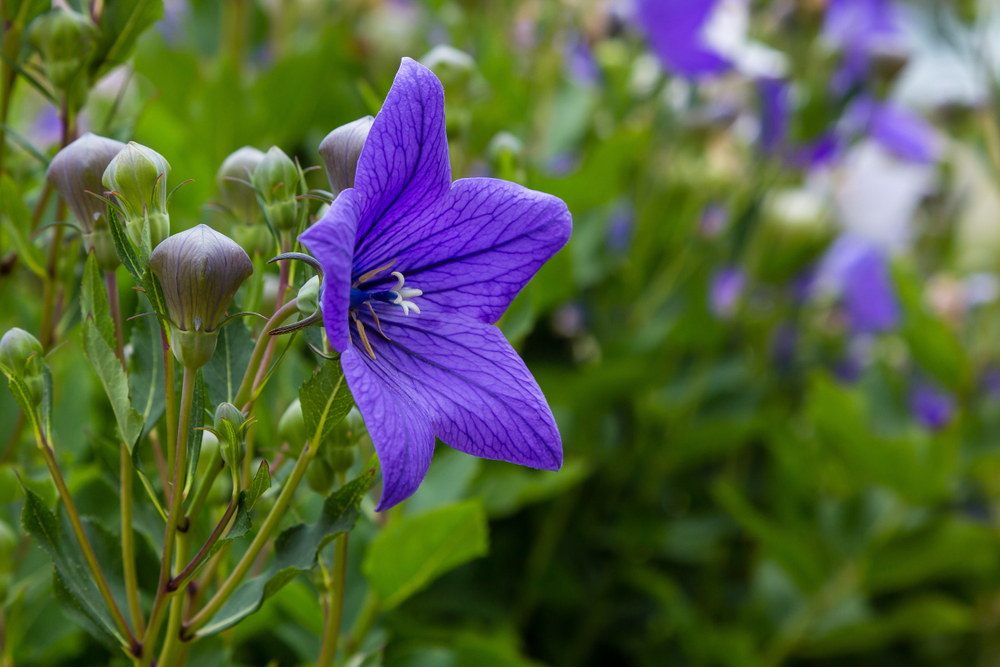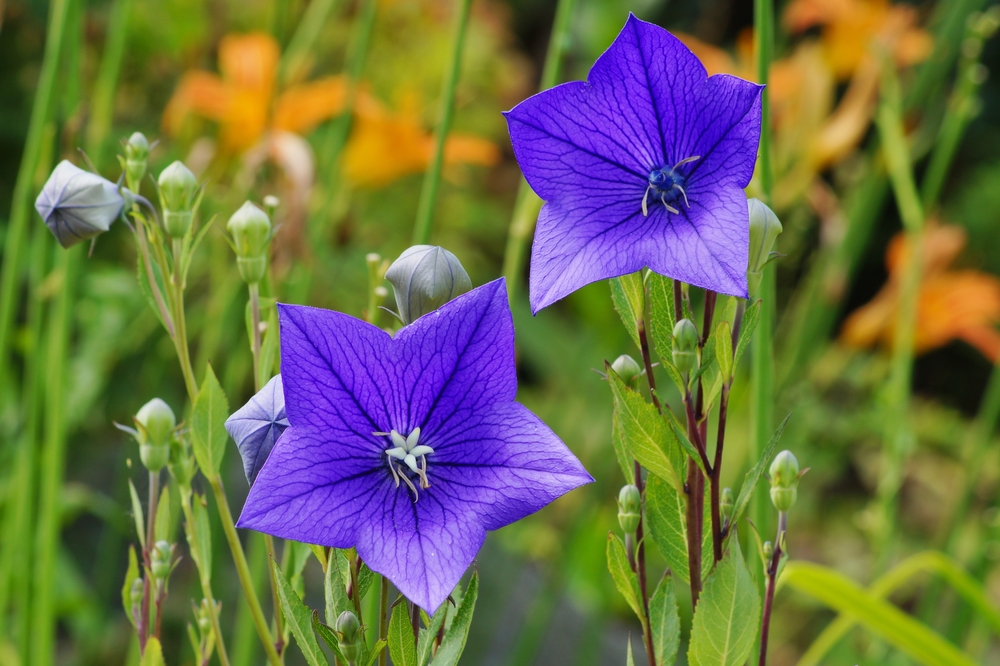
Balloon flowers are huge fan favorites, mostly because their blooms are so big and the colors are incredibly vibrant. The only real downside? They’re a bit of a late bloomer, usually waiting until mid-summer to show off, and the show doesn’t last forever. But don’t worry—with a little bit of garden TLC, you can actually stretch out that blooming season.
Starting in July
While plenty of other plants are popping up and blooming in early spring, the balloon flower likes to take its sweet time. You usually won’t see those first buds opening until July, and some varieties might even wait until August to make an appearance. If you’re growing these, patience is definitely a virtue!
Location, Location, Location
Where you put your balloon flower makes a huge difference in how well it blooms. Ideally, you want to find a spot that’s tucked away from harsh winds. Heavy rain can also be a bit tough on the delicate blossoms. Your balloon flower will have a much easier time blooming if it’s placed in a sheltered area of your garden or on a protected balcony.
A Question of Color
The right amount of light is key to getting those colors just right. Varieties with deep blue or purple flowers crave a lot of sun, while the white or pink versions actually prefer a bit of partial shade. Sunlight also acts like a volume knob for the color intensity—the more sun the plant gets, the more vivid and “popping” those colors will be.
How to Extend the Bloom
It’s true that the balloon flower’s blooming window is relatively short, but there is a pro tip to keep it going: deadheading! If you stay on top of removing the faded flowers, the plant will stop putting its energy into making seeds and redirect it into growing new buds instead.
Quick Summary of the Balloon Flower Season:
- Blooms typically appear between July and August.
- Flowers show up faster with good care in the right spot.
- You can extend the season by consistently pinching off old blooms.