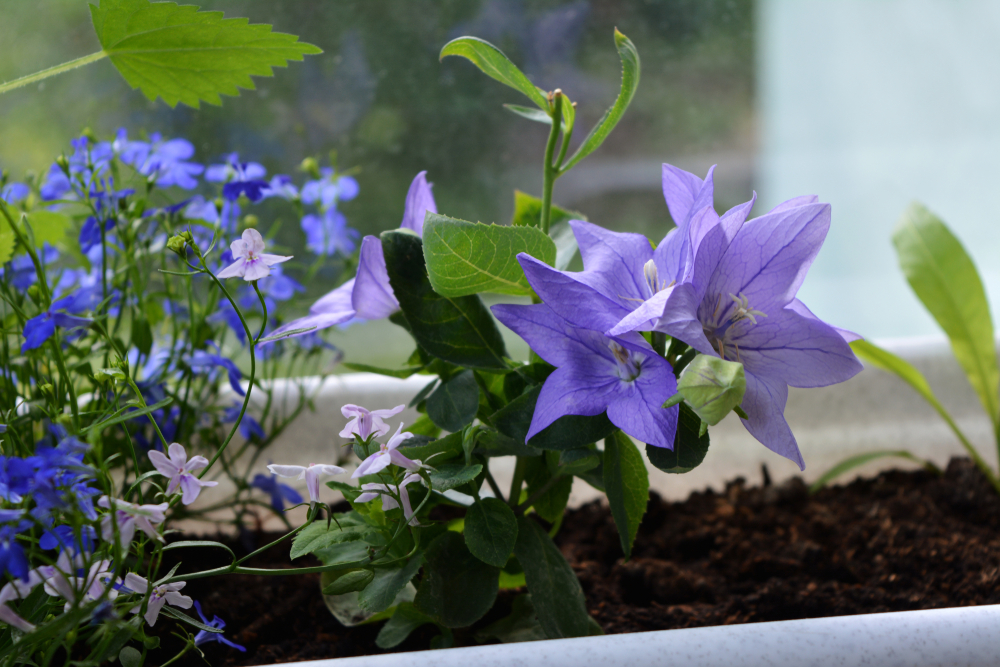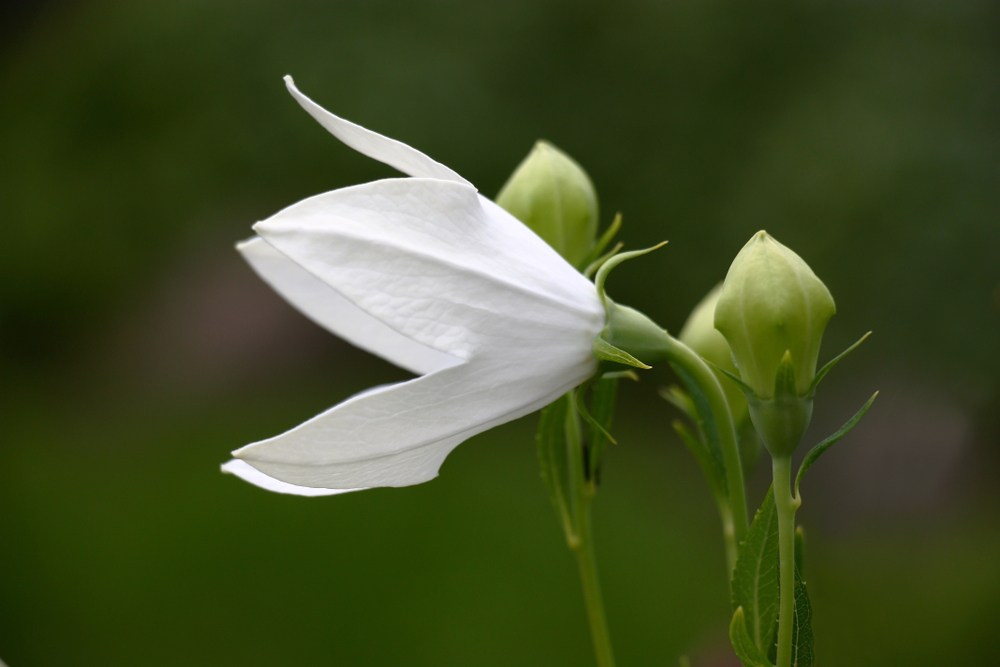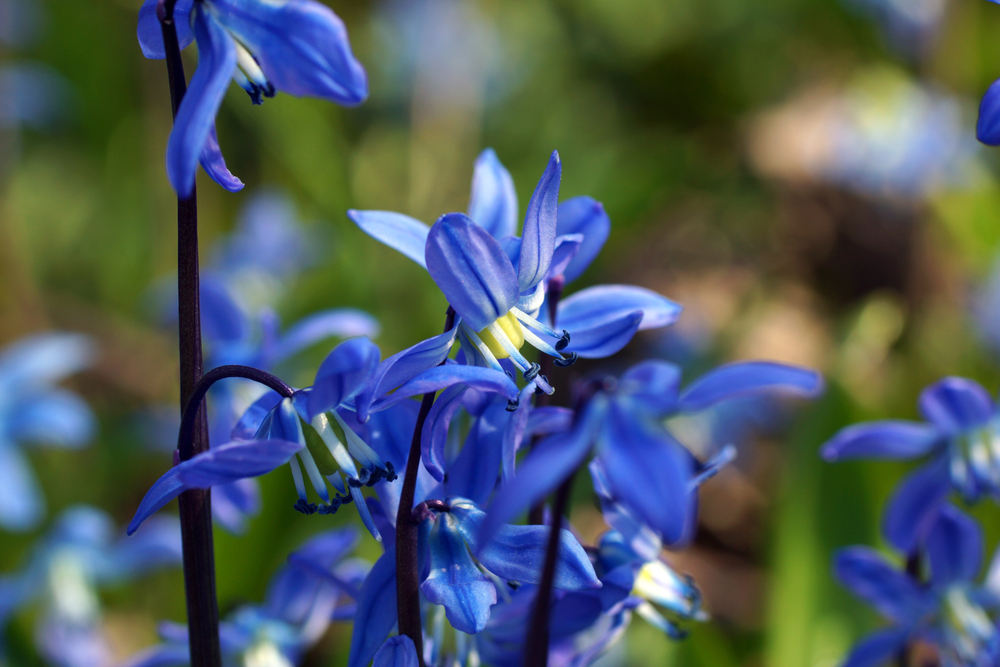
As with many exotic plants, there are plenty of myths surrounding the Balloon Flower. Also known as the Chinese Bellflower, this beauty has been a staple in traditional Chinese medicine for centuries. However, there’s a flip side: certain parts of the plant can actually cause health issues for both people and pets if you’re not careful. Let’s take a closer look at what you need to know before adding one to your garden.
Only Dangerous When Raw
The most important thing to remember is that in traditional medicine, this plant is only ever used after it’s been processed. Heating the Balloon Flower neutralizes its toxic properties. If eaten raw, the saponins found in the plant can lead to some pretty unpleasant side effects. While adults usually only experience mild symptoms, children—and especially infants—tend to have much stronger reactions. If someone ingests the raw plant, keep an eye out for:
- Stomach pain
- Nausea or vomiting
- Diarrhea
Pets Are More at Risk
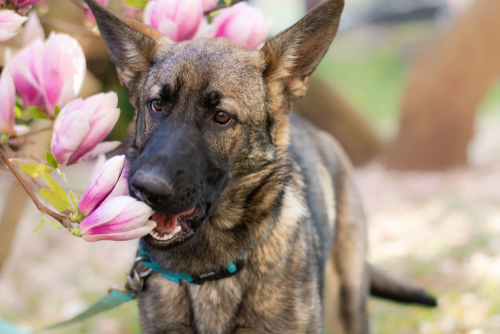
While humans generally don’t suffer any long-term damage from a run-in with a Balloon Flower, our furry friends are a different story. Pets react to the toxins similarly to humans, but they face an extra risk: the plant can severely irritate the mucous membranes in their mouths. These irritations can sometimes turn into serious, lasting health problems. If you have pets, you might want to skip this plant altogether or be very strategic about its location to ensure they can’t get a hold of it.
Medicinal Uses
When it comes to its medicinal roots in China, the Balloon Flower is typically prepared as a tea or a tincture. In both cases, the boiling process kills off the toxins, making it safe for use. In traditional practices, it’s often used to help treat:
- Common colds
- Bronchitis
- Fevers
- Immune system support